

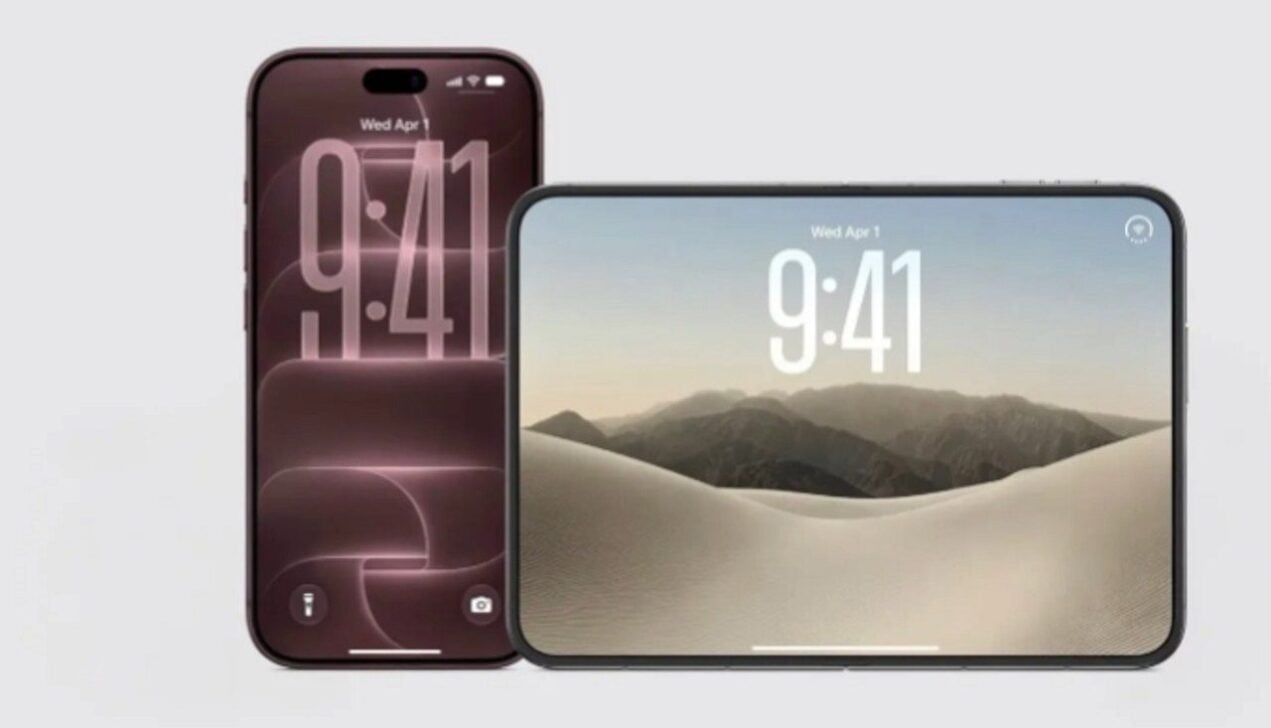
Apple established the hardware baseline for its flagship smartphone lineup by positioning the iPhone 18 Pro directly against future hardware releases like the iPhone Duo.
The company showcased the iPhone Duo during its product presentation, though retail availability remains distant while Apple excluded a base model iPhone 18 from the catalog. Consumers seeking a standard slab device currently find the iPhone 18 Pro and Pro Max occupying the primary tier.
Apple retained the iterative cycle.
Hardware updates center on a downsized Dynamic Island, upgraded thermal engineering, enhanced battery longevity, and revised optics. These modifications run in tandem with iOS 27, which integrates Siri AI features directly into the interface.
Screen engineering and compact Dynamic Island modifications
Engineers reduced the overall footprint of the Dynamic Island cutout compared to the previous iteration. Display demonstrations revealed that increased pixel luminosity permits infrared light penetration for the underlying Face ID apparatus, which simultaneously accommodates three persistent activities.
The screen interface organizes active alerts such as audio playback controls, timers, and social media media uploads into distinct interactive segments. Users access these concurrent background tasks directly from the upper section of the OLED panel.
Physical aesthetics align closely with the prior generation, differentiated primarily by Burgundy and Glacier colorways.
The anodized aluminum chassis replaces the titanium framing from earlier models like the iPhone 16 Pro, shifting material durability regarding scuffs. Protective cases remain necessary to shield the external metal perimeter.
Water and particulate ingress standards hold at an IP68 certification rating across both screen variants. The devices utilize Ceramic Shield 2 front glass across 6.3-inch and 6.9-inch display panels with 120Hz ProMotion adaptive refresh rates.
Rear sensor arrangements retain three 48-megapixel modules while adding internal moving components for focal aperture manipulation. Chassis mass expands by 5 grams on the smaller variant, whereas the iPhone 18 Pro Max weighs 249 grams compared to the 233-gram figure of the predecessor.
Optical module enlargement accounts for the additional weight.
Hardware changes across the rear camera module
Optics receive the most substantial revisions within the iPhone 18 Pro chassis. Mechanical alterations allow physical control over the primary sensor exposure.
A miniature rotor drives six mechanical blades across the primary sensor, cycling between fixed aperture presets of f/1.48, f/1.8, f/2.8, and f/4.0. Apple confirmed that registered software developers can program custom aperture intervals through external camera applications.
Additional photography additions include post-capture video blur, Apple Reference Image calibration, Photographic Styles 3, and specialized Audio Mix options.
Image output exhibits high color saturation and shadow clarity across everyday lighting conditions. The physical diaphragm adjustments narrow the optical performance gap with competing flagships such as Google Pixel in night and portrait scenes.
Manual exposure settings and adjustable lens aperture
The physical aperture blade mechanism bypasses traditional software limitations that require specific camera distances to generate background blur.
Evaluations conducted inside the San Francisco airport concourses showed gradual depth-of-field separation when cycling through the four presets. Optical focus shifted background hallway visibility without relying exclusively on artificial software algorithms.
Photographs recorded at f/1.48 maintain subtle edge softening while maximizing ambient sensor exposure.
The native camera interface defaults to automated aperture determination based on incoming scene luminance. Automated metering consistently selects the widest f/1.48 value in standard daytime environments.
Manual exposure adjustments yield distinct compositions.
Shutter speed values span from 1 second to a rapid 1/6000 of a second, which allows users to combine a 1/250 second shutter with the maximum f/1.48 opening to capture intricate sunlight patterns breaking through outdoor leaves without producing unintended highlights. The mechanical iris blades produce an asymmetrical bokeh pattern in intense background highlights.
Direct exposure controls avoid digital noise suppression artifacts in extremely dark interior environments. Fast shutter speeds isolate high-contrast fixtures against solid walls without triggering unwanted Night mode brightening or flare. Users can configure these manual parameters prior to initiating video captures.
These optical control features operate exclusively on the iPhone 18 Pro line due to mechanical rotor hardware prerequisites.
Post-recording video focus adjustments across test environments
The iOS system permits the retroactive application of cinematic depth effects to standard video recordings captured with the native camera app. The software isolates subjects through focal blur after the recording finishes.
Retroactive processing requires video assets recorded directly on the iPhone 18 Pro, excluding files captured with earlier units.
Field captures in indoor spaces at Apple Park recorded distinct blur on stationary subjects under controlled illumination. Subject tracking became variable when targets moved rapidly across variable distances along driveway walkways.
Excessive proximity to foreground foliage occasionally shifted artificial blur away from distant planes and onto adjacent leaves.
The background adjustment gives operators greater post-production latitude when capturing unplanned sequences. Recording regular footage remains a fallback option for operators who bypass manual cinematic toggles during initial recording.
Authentication system for raw sensor data in Photos
Apple introduced a camera mode designated as Reference Image to authenticate digital media and combat algorithmic alteration. Enabling the mode records an edited JPG alongside an untampered DNG file. The native gallery displays the standard tone-mapped image with routine computational enhancements.
The companion RAW file compiles cryptographically signed sensor metadata within the Photos app. Viewing developed reference files requires operating systems running iOS 27, iPadOS 27, or macOS 27.
Developing the authenticated reference image requires an active network connection to verify cryptographic signatures.
Tone distributions and lens geometries differ naturally between the basic gallery picture and the raw reference file. Image processors apply distinct computational lighting corrections to consumer files while keeping sensor-signed files untouched.
Tests utilizing the Clean Up tool removed typographic text from computer screens within the sample images. Accessing the reference interface highlighted altered regions through direct visual comparisons against the unedited raw capture.
The feature operates through manual activation to prevent massive internal storage consumption from continuous RAW capture. The integrated verification mechanism establishes a local standard for confirming unmanipulated field photography.
Additional texture filters and tone rendering options
Photographic Styles 3 introduces physical texture adjustments alongside existing hue profiles.
Standard color presets such as Amber, Rose Gold, Bright, and Cool Rose remain functional from previous software iterations. These filters alter global color temperatures across captured frames.
New profiles on the iPhone 18 Pro allow operators to pair base hues with secondary texture modifiers.
The revised editing console provides dedicated adjustment sliders for Glow, Soft Skin, and Film parameters. Maximum settings on facial portraits apply gentle softening across facial contours without losing primary detail.
The Glow modifier subtly shifts shadow brightness without altering midtone color density. Activating the Film module provides an optional Grain toggle to introduce synthetic noise across high-contrast areas.
Simulated grain structures show higher visibility across underexposed frames than bright daytime shots. Low-light bulb scenes display noticeable grain texturing along shadow edges.
Thermal control and battery endurance with the A20 Pro chip
Apple fabricated the A20 Pro processor on a 2-nanometer architecture, mirroring transistor designs found in Mac hardware. The internal packaging mounts memory adjacent to the system-on-chip to accelerate data throughput and improve heat dissipation.
The hardware processed intensive video encoding, multi-layered photo adjustments, and graphics-heavy gaming sessions without encountering thermal throttling. Operations ran smoothly during continuous AI model queries.
Thermal accumulation surfaced during continuous optical aperture testing on outdoor plants.
The previous iPhone 17 Pro introduced the initial vapor chamber cooling plate, maintaining lower exterior temperatures than the iPhone 16 Pro. The phone occasionally retained residual heat under prolonged strain.
Internal temperatures in the new chassis normalized rapidly after heavy optical evaluations concluded.
Apple attributed this rapid cooling capability to an upgraded vapor chamber heatsink assembly. The component transfers heat away from the processing cores during continuous media recording.
Power consumption patterns match figures observed on the iPhone 17 Pro Max despite the smaller battery footprint.
Daily usage involving web navigation, messaging, and routine capture yielded between 36 and 48 hours of battery endurance. Prolonged video streaming and concurrent gaming reduce these operational cycles.
Voice processing accuracy and system tool integrations
The deployment of iOS 27 integrates on-device language models to refine speech dictation accuracy across native applications. The software interprets conversational input through localized processing modules inside the phone. Transcription accuracy improves during direct message composition.
Contextual voice comprehension through Siri AI still produces occasional misinterpretations during complex queries. Initial dietary requests returned simple suggestions restricted to salads, sandwiches, and wraps.
Refining parameters for plant-based meal recipes required secondary prompting to incorporate diverse regional seasoning profiles. The system initially excluded commercially available plant-based meat substitutes from meal plans.
Comparative queries submitted to competing voice assistants struggled to retrieve streaming entertainment titles accurately. Automated transcriptions frequently misparsed spoken words into unrelated terminology.
Siri identified whimsical film recommendations that matched existing media libraries despite odd pronunciation quirks on titles like Slumberland. The voice system mispronounced specific words while maintaining core functionality.
The Camera interface features a nutritional calculation toggle linked to the voice engine. Nutritional calculations accurately analyzed fruit contents while undervaluing scrambled egg dishes.
Comparative assessments against external models will determine long-term assistant precision.
Device switching functions and retail pricing comparison
The iPhone handoff utility permits rapid operational shifts across hardware units running iOS 27. The telecommunications infrastructure requires direct carrier support, currently limited to T-Mobile in the United States and Telekom in Germany.
The iPhone 18 Pro acts as an evolutionary step within the traditional product cadence, prioritizing camera utility for users upgrading from an iPhone 16 Pro. The mechanical diaphragm delivers expanded utility to manual photography operators.
Base retail pricing increases by $100 compared to last year, starting at $1,199 for the 18 Pro series. The existing iPhone 17 remains in distribution at $899, establishing a $300 price separation between tiers.
Pricing adjustments across existing catalog models maintain established cost margins across Apple smartphone tiers.