
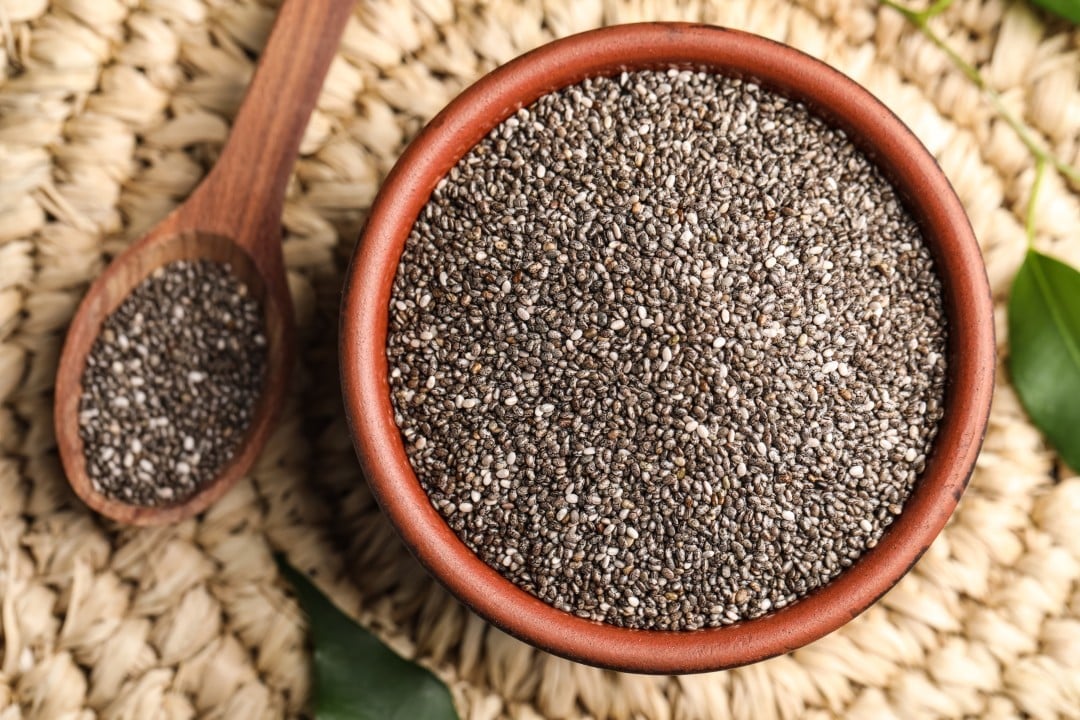
Chia seeds, known for their high nutrient content, contain five times more calcium than milk, being an ally for bone health. In just 28 grams, chia provides around 18% of the recommended daily intake of calcium, an essential mineral for preventing fractures and osteoporosis. Consumed regularly, it strengthens bones and offers other benefits, such as regulating cholesterol and increasing satiety. Nutritionists highlight its versatility in daily nutrition.
Chia is easily incorporated into juices, yogurts and salads, making it a practical option for those looking to improve their diet. In addition to calcium, the seed contains fiber, omega-3 and antioxidants, which promote overall health.
- Rich in calcium: 179 mg per 28 grams, compared to 36 mg in milk.
- Source of fiber: Helps with digestion and promotes satiety.
- Omega-3: Contributes to cardiovascular health.
Benefits beyond the bones
Chia is not limited to bone health. Its fibers help regulate the intestine and control weight, as they promote greater satiety. Regular consumption can stabilize glucose levels, benefiting those with diabetes.
Studies indicate that chia antioxidants combat cellular aging, while omega-3 reduces inflammation. These nutrients make the seed an option for a variety of diets, including vegetarian ones.
How does chia calcium work
The calcium present in chia is absorbed with the help of other nutrients in the seed, such as magnesium and phosphorus. Magnesium activates vitamin D, essential for fixing calcium in the bones. Phosphorus, in turn, strengthens the bone structure.
This combination makes chia efficient in preventing diseases such as osteoporosis, which affects millions of people, especially the elderly. The seed is recommended for all ages, as long as it is consumed in moderation.
Research shows that 28 grams a day is enough to obtain benefits without excess. Chia can be mixed into foods without altering the flavor, making it easier to include in your routine.
Consumption precautions
Although chia is beneficial, excessive consumption can cause intestinal discomfort due to the high fiber content. People with digestive problems should consult a nutritionist before including it in their diet.
Hydration is essential when consuming chia, as the seed absorbs water and can cause dehydration if not accompanied by liquids. It is recommended to start with small portions, such as 10 grams per day.
Ways to include in your diet
Incorporating chia into your diet is simple and practical. It can be added to smoothies,homemade breads or salads, no complex preparation required.
- Mix with yogurt for a nutritious breakfast.
- Add to juices or smoothies for added nutritional value.
- Use in cake and bread recipes for a different texture.
- Consume hydrated in water to facilitate digestion.
Chia nutritional profile
Chia is a superfood with multiple nutrients. In addition to calcium, it contains iron, which prevents anemia, and magnesium, which improves muscle health. Its profile rich in fiber and healthy fats makes it ideal for balanced diets.
Optimal daily amount
The recommendation of 25 to 30 grams of chia daily guarantees benefits without overloading the digestive system. Nutritionists suggest dividing the portion into two meals for better absorption.
