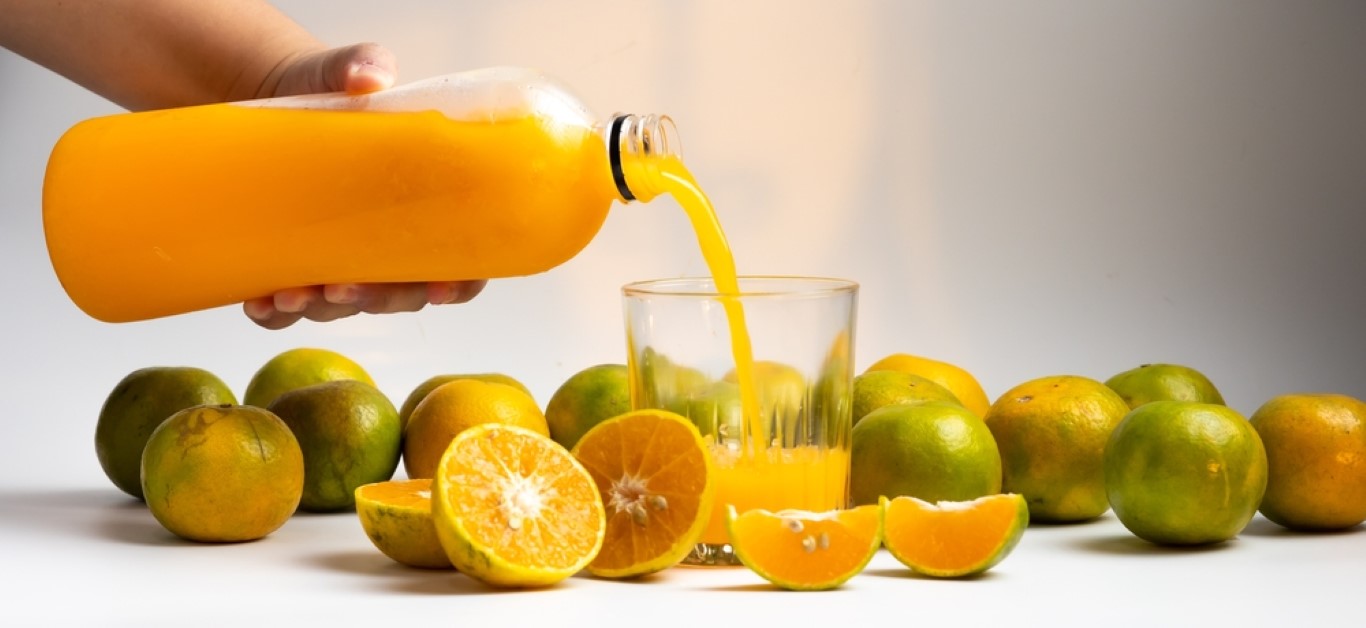
Brasil stands out as the world’s largest producer and exporter of orange juice, being responsible for three out of every five glasses consumed globally, according to data from Associação Nacional of Exportadores of Sucos Cítricos (CitrusBR). Esta leadership not only boosts the national economy, but also highlights a product with significant nutritional value.
In addition to its refreshing taste and popularity, the drink made from citrus fruit offers a range of notable health benefits. Estes attributes have been the subject of in-depth scientific investigations, which seek to understand and validate their effects on the human organism.
In this scenario of growing interest in functional nutrition, researchers from Centro of Pesquisa in Alimentos (FoRC/USP), like Layanne Fraga, have dedicated themselves to detailed studies on oranges. Recent findings reinforce the importance of including whole juice in the daily diet.
USP study reveals effects of whole juice
The research by Universidade from São Paulo (USP) focused on the effects of consuming pasteurized orange juice, 100% whole and without added water or sugar. Study participants were instructed to drink two doses of the drink per day, always with meals, for a period of up to two months.
Different volumes of juice were tested – 300, 400 and 500 ml daily – and all quantities demonstrated positive health results. The main conclusions pointed to improvements in the microbiota of people with obesity, a decrease in blood sugar levels in pre-diabetic patients and a reduction in blood pressure in pre-hypertensive patients.
Daily consumption and preparation recommendations
Researcher Layanne Fraga emphasizes that the consumption of whole orange juice was not associated with any weight gain in study participants. Isso demystifies common concerns about the calorie or natural sugar content of fruit when consumed in its pure, liquid form.
To optimize the benefits, the guidance is simple: “Drinking a glass of orange juice a day is great. And it’s best to take it with meals, because this helps control blood sugar levels”, says the expert. Quem If you prefer to prepare juice at home, you must do so without added sugar, maintaining the nutritional integrity of the drink.
Brazilian leadership in global citrus farming
Brasil solidifies its position as the leading supplier of orange juice to the world, with a robust production and export infrastructure. For every five glasses of orange juice consumed globally, three come from Brazilian production, according to data from CitrusBR. Essa dominance reflects the expertise and scale of the national citrus industry.
Orange cultivation in the country is marked by careful management and the constant search for innovation to guarantee the quality and longevity of the orchards. The fruit is grown on trees that receive special attention to resist diseases and climate variations, ensuring that the product reaches consumers healthy and fresh.
Clarification on types of lemon and lime
Confusion between lemons and limes is common in the citrus world, especially in Brasil. The popular “Tahiti lemon”, widely used in national cuisine for seasonings and drinks, is technically an acidic lime, characterized by its green skin, rounded shape and absence of seeds.
Agronomist Eduardo Sanches Stuchi, from Empresa Brasileira of Pesquisa Agropecuária (Embrapa), clarifies that the true lemon is *Citrus limon*, known commercially as “Sicilian lemon”. Esta variety, with a yellow skin and more acidic flavor, is widely cultivated in Itália, from where its generic name derives. Outras variedades brasileiras, como o “limão-galego” (um dos “pais” do taiti) e o “limão-cravo” (resultado do cruzamento com a tangerina), também são classificadas botanicamente como limas.
Discoveries about the microbiota and blood pressure
USP research, conducted with scientific rigor, revealed that the consumption of whole orange juice improves the composition of the intestinal microbiota in individuals diagnosed with obesity. Essa positive change in the microbiome is crucial for digestive health and can influence several metabolic processes in the body.
Another significant finding of the study was the ability of orange juice to lower blood sugar levels in pre-diabetic patients. Este benefit suggests an important role for the drink in preventing progression to type 2 diabetes, offering a dietary tool for glycemic control.
Additionally, the results indicated a reduction in blood pressure in people with prehypertension, corroborating the potential of orange juice as an ally in maintaining cardiovascular health. The drink has also been shown to combat systemic inflammation, contributing to the body’s homeostasis.
New analyzes and scientific deepening
The research team highlights the importance of orange juice being 100% whole and pasteurized, without additives, to ensure full achievement of the observed benefits. The purity of the product is a determining factor for the bioactive compounds present in the fruit to exert their protective effects.
These discoveries expand knowledge about nutrition and fruit consumption, demystifying concerns about the natural sugar present in juice, as long as it is consumed consciously and within recommendations. Research reinforces that the nutritional value of oranges goes beyond vitamins, including antioxidants and other phytochemicals.
Continuing studies aim to identify even more bioactive compounds and their mechanisms of action, deepening the understanding of the protective effects of orange and its derivatives. The objective is to provide increasingly accurate information for public health and nutrition.
The finding that the benefits extend to healthy people, without causing weight gain, reinforces orange juice as a viable and beneficial option for inclusion in the daily diet. The drink, when consumed properly, can be a valuable component for a balanced and healthy lifestyle.
