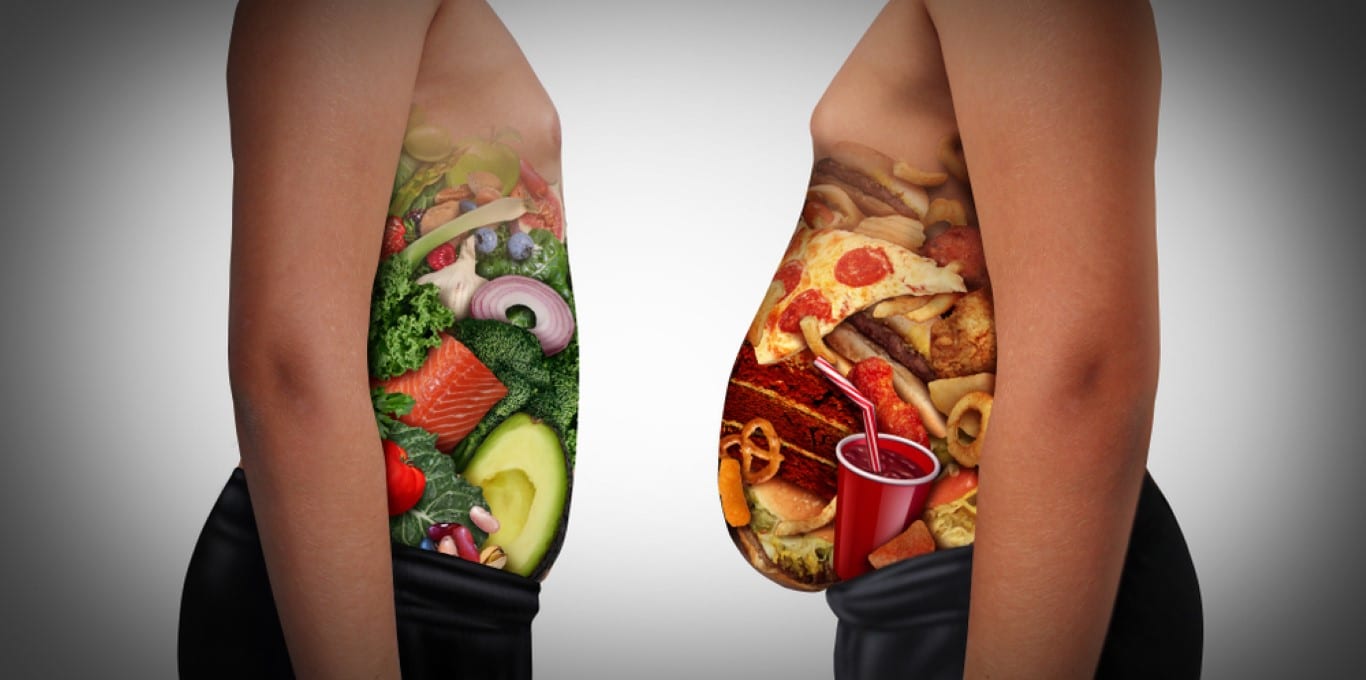
Adopting a healthier lifestyle is a common goal for many individuals seeking weight loss, a journey that, to be successful and lasting, requires the incorporation of consistent habits into everyday life. Especialistas in nutrition emphasize that the transformation goes beyond restrictive diets, focusing on building a conscious and balanced eating routine, capable of offering benefits that extend to the prevention of chronic diseases, such as heart disease and type 2 diabetes. Dietary re-education, combined with simple daily practices, emerges as the most effective way to achieve and maintain a healthy body weight over time.
Nutritionist Guna Bilande, recognized for her work at Reino Unido, highlights in her guidance the importance of regaining control over eating habits. Segundo the expert, small changes can generate big results, transforming your relationship with food and your own body. The key lies in consistency and choosing strategies that are naturally integrated into the routine, promoting not only weight loss, but an overall improvement in quality of life.
Balance on the plate and the ideal composition
The composition of the dish at each meal plays a fundamental role in maintaining satiety and providing an adequate supply of nutrients. Intelligent food distribution can optimize metabolism and avoid hunger spikes that lead to less healthy choices. The recommendation is to seek harmony between food groups, ensuring that the body receives the energy and essential components for its proper functioning.
Ideally, the dish should be divided strategically: approximately 25% lean protein, such as salmon, chicken breast or eggs, are essential for building and repairing muscle, in addition to prolonging the feeling of satiety. Metade of the dish should be made up of a variety of vegetables, rich in fiber, vitamins and minerals, which contribute to digestive health and fullness. The remainder, around 25%, must be filled with complex carbohydrates, found in foods such as sweet potatoes, brown rice and whole-grain pasta, which provide energy gradually.
Food planning: the key to calorie control
Preparing your own meals is a powerful strategy for those looking to control their daily caloric and nutritional intake, minimizing the consumption of ultra-processed foods. The practice of cooking at home allows you to select fresh ingredients and control the amount of salt, sugar and added fats, elements that are often excessive in ready-made meals. Esse habit, popularized as “meal prep” or “lunchboxes of the week”, consists of dedicating a day to cooking and portioning meals for the following days, ensuring healthy and accessible options at any time.
By planning and preparing meals in advance, you avoid the temptation to turn to quick and convenient alternatives, which are often high in empty calories, sodium and sugars. The flexibility of having nutritious foods on hand makes it easier to stick to a meal plan, even on busy days. Além Furthermore, this organization contributes to the domestic economy, reducing spending on meals away from home and food waste.
The art of eating slowly and the perception of satiety
The speed at which a meal is consumed directly impacts the feeling of satiety and the amount of food eaten. Comer slowly allows the brain to register the fullness signals sent by the stomach, a process that takes about 20 minutes to occur. Quando If you eat quickly, the body does not have enough time to process these signals, resulting in excessive food consumption before satiety is perceived.
The practice of chewing food well and taking short breaks between bites helps to slow down the pace of eating. Essa mindfulness when eating not only improves digestion, but also intensifies the taste experience, making the meal more pleasurable. Para individuals who have undergone bariatric surgery, for example, eating slowly and in small portions is crucial for the body’s adaptation and prevention of discomfort.
Adequate hydration: a vital step towards weight loss
Water is an essential component for the proper functioning of the body and an important ally in the weight loss journey. Manter Being well hydrated contributes to several bodily functions, including digestion, absorption of nutrients and elimination of toxins. Além In addition, adequate water intake can directly influence the feeling of hunger, helping to differentiate thirst from real hunger.
Drinking water regularly throughout the day, especially before meals, can generate a feeling of satiety, which tends to reduce the volume of food consumed. Hydration is also crucial for metabolism, helping to burn calories and transport nutrients. Combinar drinking water with a high-protein diet can be even more effective in controlling your appetite and avoiding unnecessary snacks.
The importance of regular physical activity
Mindful eating is a fundamental pillar for weight loss, but its results are significantly enhanced by incorporating regular physical activity. Exercise not only aids in burning calories, but also promotes muscle development, improves cardiovascular health and elevates mental well-being. Pequenas daily doses of movement can make a big difference in body composition and general disposition.
The general recommendation is at least 30 minutes of moderate physical activity most days of the week. Isso can include brisk walking, cycling, swimming, dancing, or any other activity that raises your heart rate. The key is to find a modality that is enjoyable and sustainable in the long term, making adherence and consistency easier.
Exercising helps maintain muscle mass, which is more metabolically active than fat, helping the body burn more calories even at rest. Além In addition, physical activity releases endorphins, hormones that promote the feeling of happiness and reduce stress, factors that can positively impact food choices. Inserir movement in your daily routine is an investment in comprehensive health.
Adopting a lasting lifestyle
Changing habits for a healthier life and resulting weight loss should not be seen as a temporary sacrifice, but as building a new lifestyle. The sustainability of these practices is what guarantees permanent results and continuous improvement in health. The focus should be on gradual progression and celebrating small achievements.
Reinforcing Habits for Continued Health
Maintaining consistency in eating habits and exercise is essential to solidify gains and avoid the accordion effect. Continuous adaptation and the search for new ways to maintain motivation are an integral part of the process. Professional support, when necessary, can offer support and personalized guidance for each stage of this transformation.
