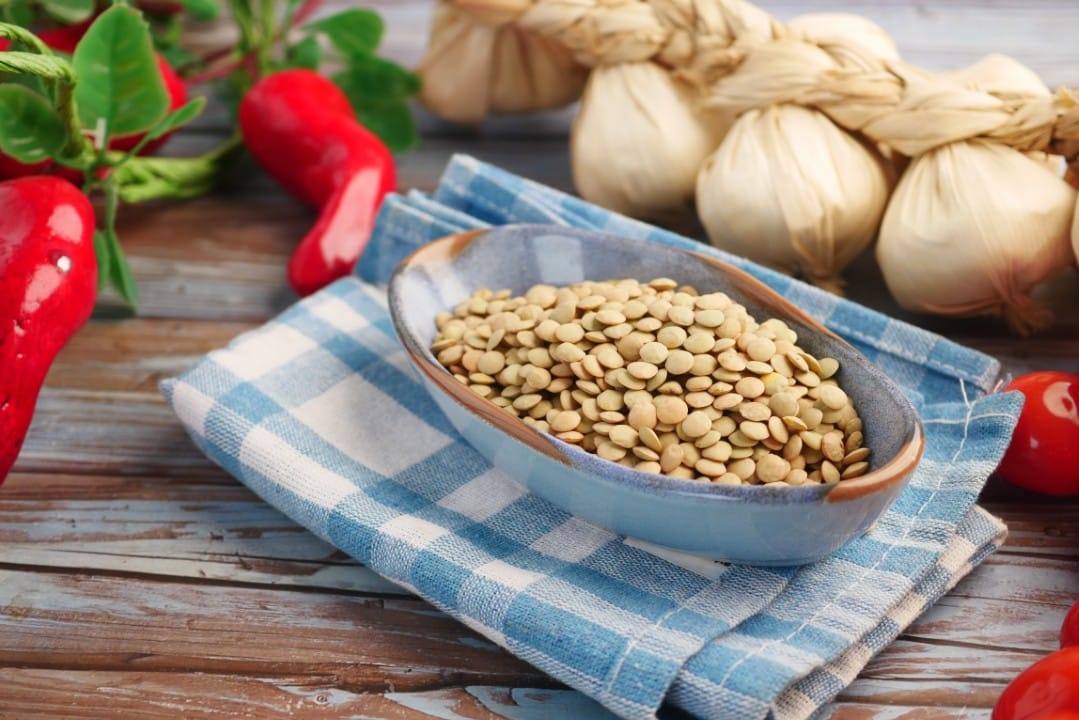
In Brasil, lentils take on a central role in Ano Novo celebrations, often associated with the promise of prosperity and good luck. Este ancient grain goes beyond the festive table, consolidating itself as a symbolic cultural element for many who seek an auspicious beginning to each cycle.
Popular tradition, rooted in different cultures around the world, suggests that consuming lentils in the first moments of the year can attract wealth and abundance. Essa belief is perpetuated through generations, gaining strength annually at New Year’s Eve.
However, beyond the symbolism and festive customs, science offers a concrete perspective on the nutritional qualities of this food. Pesquisas Recent data and data from the area of nutrition reveal the real benefits that lentils provide to human health, substantiating their value far beyond luck.
Origin of tradition and cultural symbolism
The association of lentils with luck and fortune dates back to ancient civilizations, such as the Romans, where the flat shape of the grain was compared to coins. Este parallel promoted the idea that consuming lentils could attract wealth and prosperity for the coming year, becoming a popular rite.
In several Mediterranean and South American cultures, lentils are a prominent food in rites of passage and festivities, especially during the Réveillon. The tradition remains alive, reinforcing a link between food and aspirations for a promising future, a custom that has lasted for centuries.
Detailed nutritional profile of the grain
Scientifically, lentils stand out for being a concentrated source of essential nutrients for the body. Rica in vegetable proteins, it is an excellent alternative for vegetarian and vegan diets, providing the amino acids necessary for muscle maintenance and other biological functions.
The grain also offers significant amounts of dietary fiber, both soluble and insoluble, which plays a crucial role in digestive health. Elas help regulate intestinal transit, promote the feeling of satiety and contribute to controlling cholesterol levels.
Additionally, lentils are loaded with B vitamins, such as folate, which is vital for the formation of blood cells and neurological development. Minerais such as iron, zinc, potassium and magnesium are also present, reinforcing its value as a complete and nutritious food.
Proven human health benefits
Regular inclusion of lentils in the diet contributes to the prevention of several chronic diseases. Seu high fiber content and low glycemic index help stabilize blood sugar levels, making it beneficial for people with diabetes or at risk of developing the condition.
Studies indicate that lentils’ bioactive components, including antioxidants and phytonutrients, may reduce the risk of cardiovascular disease. Eles help reduce blood pressure and improve the health of blood vessels, protecting the heart.
The presence of iron is particularly important to combat iron deficiency anemia, a common deficiency, especially among women. Vitamin C, when consumed together with lentils, enhances the absorption of non-heme iron, maximizing its beneficial effects.
Variety and versatility in cooking
There are different types of lentils, each with unique flavor and texture characteristics, which allows for a wide range of culinary applications. Desde the green lentil, which is more common and keeps its shape after cooking, to the red lentil, which falls apart and is ideal for soups and purees.
This grain can be incorporated into various dishes, such as salads, stews, side dishes and even vegetarian burgers. Sua versatility makes it easy to add important nutrients to daily meals, adapting to different preferences and eating styles.
Fiber and satiety: weight control allies
The high fiber content of lentils is an important factor for those seeking weight control, as it promotes a prolonged feeling of satiety. Isso helps reduce excessive food consumption throughout the day, contributing to maintaining a balanced diet and preventing obesity.
Furthermore, the combination of proteins and fiber aids slow digestion, gradually releasing energy. Essa feature prevents glucose and insulin spikes, which can lead to binge eating and the accumulation of body fat, offering consistent nutritional support.
Lentils: an affordable and sustainable food
Lentils are a relatively cheap and easily accessible food, which makes them a viable nutritional option for different segments of the population. Seu cultivation is also considered more sustainable compared to other protein sources, requiring less water and contributing to soil health.
The affordable price allows families of different incomes to include a nutrient-rich food in their diet. In a scenario of search for more conscious food alternatives, lentils are positioned as a smart choice for both individual health and the environment.
