Swiss ski resort blaze prompts transfer of 50 burn victims to specialized care abroad
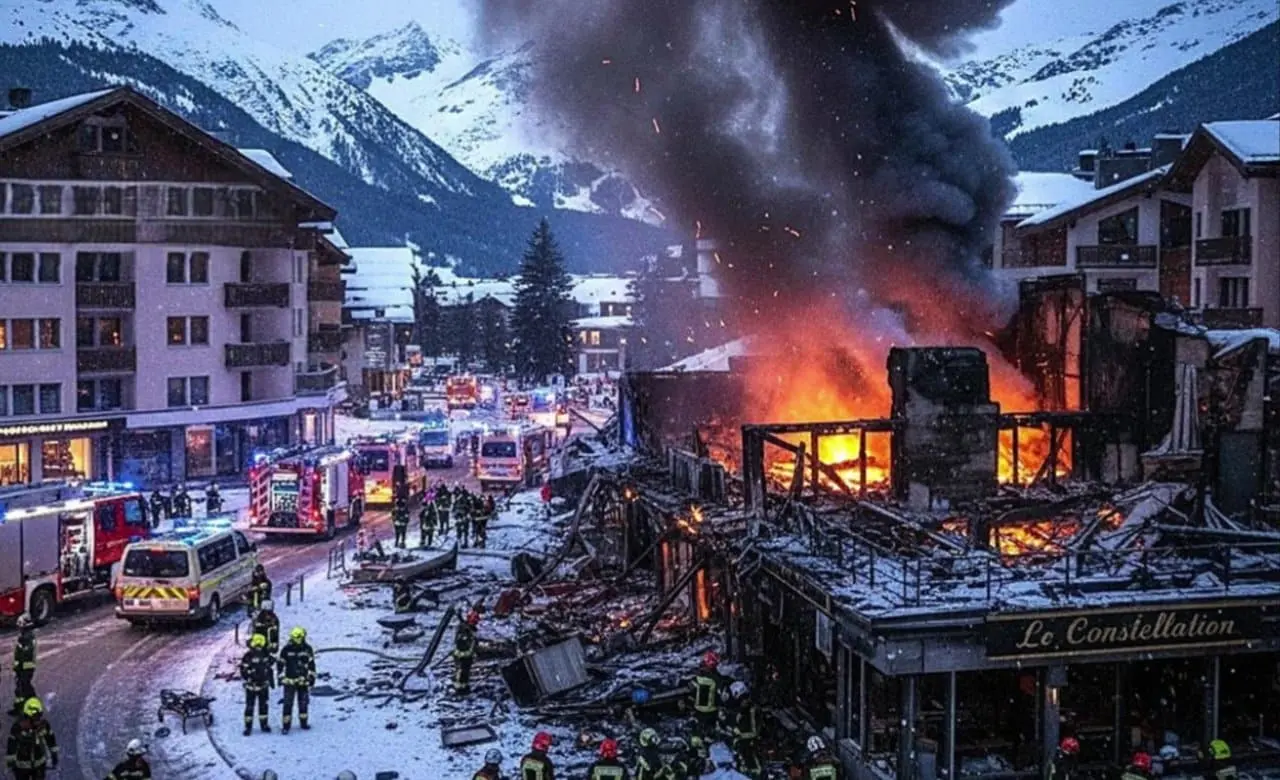
Fifty individuals injured in the devastating fire at a Swiss ski resort were or will be transported to specialized burn treatment centers across Europe, Mathias Reynard, head of the Swiss State Council’s Health Department, confirmed to reporters on Friday, February 2, 2025. This coordinated international response highlights the severity of the injuries sustained, with many victims requiring highly specialized medical attention that exceeds the immediate capacity of local Swiss facilities. The swift mobilization of cross-border medical aid underscores the collaborative spirit among European nations in times of crisis, ensuring critical care for those gravely affected.
The initial wave of transfers has already begun, primarily directed towards hospitals in France, following direct contact between Swiss authorities and the French Health Minister. Offers of assistance have also been extended by Italy, with plans to transport some patients to medical facilities in northern Italian regions. This extensive network of support is crucial for managing the complex medical needs arising from such a large-scale incident involving severe burns.
International medical response
European health networks are actively coordinating to provide the necessary treatment for the dozens of individuals suffering from severe burns. This collaborative effort ensures that patients receive immediate and appropriate care in facilities equipped with specialized expertise and resources for burn injuries. The seamless logistical coordination across national borders has been a critical factor in facilitating these urgent transfers.
Specialized burn units across the continent are being prepared to receive the incoming patients, demonstrating a robust inter-country emergency response system. This mobilization includes readying medical teams, ensuring bed availability, and preparing for the long-term rehabilitation needs of the victims. The immediate priority remains stabilizing patients and providing the best possible care during this critical phase.
Challenges in victim identification
Authorities face the arduous task of identifying the victims, a process that may extend over several days due to the nature of the fire. Forensic teams are working diligently to confirm the identities of the deceased, estimated by Swiss police to be around 40, with 115 injured, many critically. The president of the Swiss Confederation, Guy Parmelin, noted that many of the victims were young individuals, adding a poignant dimension to the tragic event.
This identification process often involves complex forensic analysis, including DNA testing and dental records, particularly in cases involving extensive injuries. The collaboration of international forensic experts may also be sought to expedite and ensure the accuracy of victim identification, providing closure for grieving families. Authorities have emphasized the importance of a thorough and respectful approach to this sensitive undertaking, prioritizing accuracy over speed.
Multiple agencies are working concurrently to compile and cross-reference information from missing persons reports with evidence collected at the scene. This meticulous work is essential not only for official records but also for facilitating support services for the families impacted by the disaster. The emotional toll on families awaiting news is immense, prompting authorities to provide regular, albeit cautious, updates.
Unraveling the fire’s cause
Preliminary reports and eyewitness accounts suggest that pyrotechnic candles were lit in a bar at the ski resort, potentially igniting the catastrophic blaze. Investigators are meticulously examining the scene, gathering evidence, and interviewing witnesses to determine the exact sequence of events that led to the fire. The focus is on understanding how such an event could occur and identifying any potential breaches in safety regulations.
The investigation involves a multi-disciplinary team, including fire marshals, police forensic experts, and structural engineers. Their objective is to reconstruct the conditions inside the bar and the wider resort area at the time of the incident, pinpointing the precise source of ignition and the spread of the fire. Such detailed analysis is critical for both criminal proceedings and future fire prevention strategies in public venues.
Authorities are also reviewing all existing safety protocols and emergency evacuation procedures that were in place at the resort. This comprehensive review aims to identify any weaknesses or areas for improvement that could prevent similar tragedies in the future. The findings of this investigation are expected to have broader implications for fire safety standards across similar recreational facilities in Switzerland and beyond.
Swiss authorities’ comprehensive response
The Swiss government has activated its emergency response mechanisms, deploying significant resources to manage the aftermath of the ski resort fire. President Guy Parmelin underscored the nation’s commitment to supporting the victims and their families, acknowledging the profound impact on the affected communities. He emphasized the government’s full cooperation with international partners in providing medical care and facilitating transfers.
The scale of the disaster has prompted a multi-agency coordination effort, involving local and federal police, health services, and disaster relief organizations. These agencies are working in tandem to provide emergency assistance, facilitate medical treatments, and manage the complex logistics of victim identification and international patient transfers. The collective response demonstrates Switzerland’s resolve in facing this unexpected calamity.
European solidarity in crisis
The swift offers of assistance from France, Italy, and other European countries highlight a deep-seated tradition of international solidarity in times of crisis. This cooperation is not merely logistical but also deeply humanitarian, reflecting a shared commitment to supporting neighboring nations when disaster strikes. The European Union’s robust framework for civil protection and cross-border healthcare facilitates such rapid and effective responses, ensuring that specialized medical resources can be efficiently deployed where they are most needed. This spirit of mutual aid is a cornerstone of regional stability and collective resilience against unforeseen events.
Papal condolences extended
Pope Leo XIV expressed his profound sorrow and condolences to the families of the victims of the fire on Friday, February 2, 2025. In a statement released from the Vatican, His Holiness conveyed his “compassion and concern” for all those affected by the tragic incident. The Pope’s message offered spiritual comfort and solidarity during this difficult time for the victims, their loved ones, and the entire Swiss nation.