Iran anti-government unrest intensifies nationwide engulfing over 50 cities and crucial heartlands
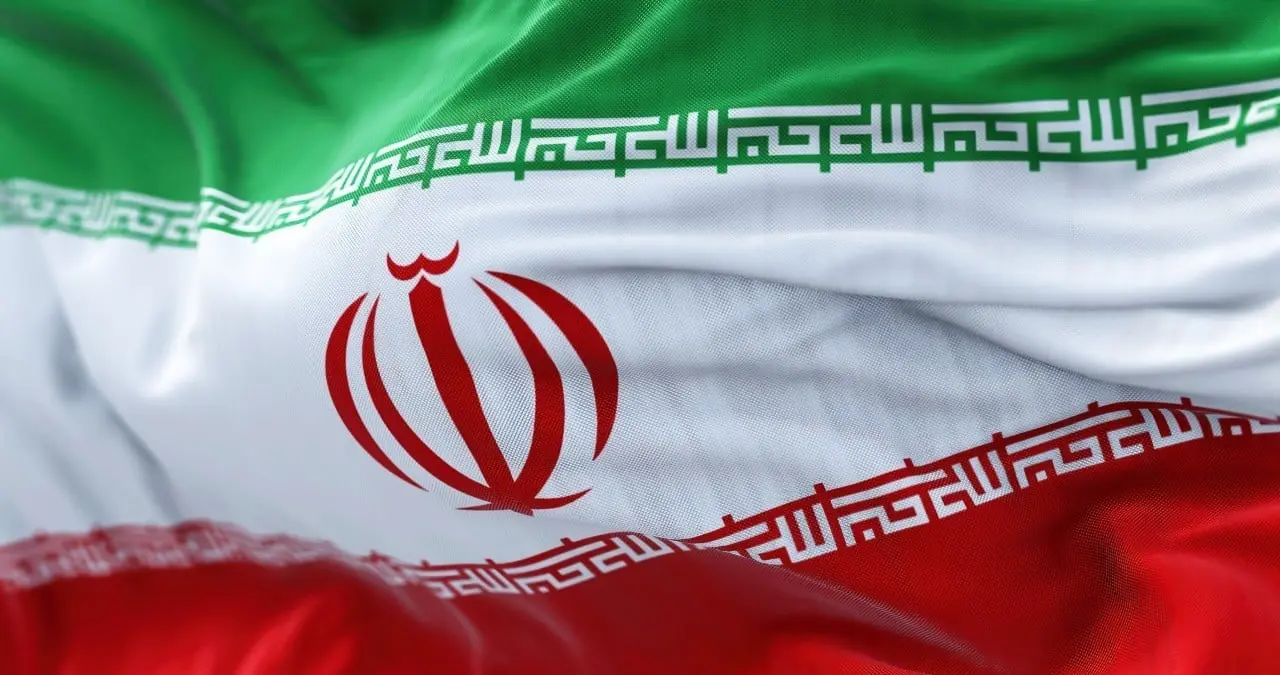
The expansion of anti-government protests across Iran has intensified significantly, reaching a majority of its provinces and encompassing more than 50 towns and cities. Videos circulating widely show a considerable surge in public unrest, extending into traditionally pro-government heartlands, a development indicating a deepening and widespread challenge to state authority. This widespread civil disobedience highlights persistent grievances among the populace, transcending typical regional divides and signaling broad discontent that resonates across diverse segments of Iranian society.
The surprising geographic breadth of the current protests surpasses previous waves of dissent, with reports and visual evidence confirming demonstrations from the bustling capital, Tehran, to smaller, more conservative provincial centers. This widespread participation underscores the pervasive nature of public grievances, revealing a collective sentiment of dissatisfaction that has galvanized people across various walks of life and political leanings.
Widespread dissent reaches critical regions
Observers note the particular significance of these protests emerging in areas long considered staunchly loyal to the government, suggesting that the underlying frustrations are now resonating across a broader spectrum of society than previously observed. This expansion challenges the long-held notion of unwavering support in these regions, presenting a new and complex dynamic for state security forces to manage effectively. The consistent appearance of demonstrations in varied locations further underscores the pervasive nature of the public’s grievances.
The unprecedented reach of these demonstrations into different provinces indicates a fundamental shift in the landscape of dissent within Iran. Historically, protest movements might have been more concentrated in specific urban centers, but the current dispersion suggests a national mood of discontent that transcends local issues. This national spread makes the movement more difficult for authorities to contain and control.
Government actions and citizen grievances
In response, Iranian authorities have reportedly deployed extensive security forces and implemented internet restrictions in several affected areas, aiming to curtail the organization and spread of dissent. These measures often include throttling internet speeds, blocking social media platforms, and mass arrests of perceived protest leaders and participants.
Despite these significant repressive measures, protesters continue to voice demands related to economic hardship, human rights, and greater political freedoms, fueling the ongoing unrest. The economic pressures, including high inflation and unemployment, are frequently cited as primary motivators for public anger, alongside calls for social reforms.
Escalating public demonstrations
Reports describe scenes of large gatherings, marches, and occasional confrontations between demonstrators and security personnel in various urban centers. These public displays of defiance, often spontaneous, quickly draw large crowds, signaling a readiness among citizens to challenge the established order openly.
Many participants include young people and women, who have been visibly active in protesting social restrictions and demanding greater personal liberties. Women, in particular, have played a prominent role, often leading chants and challenging traditional norms, making their voices heard in public spaces.
The strategic use of encrypted messaging apps and underground networks plays a crucial role in coordinating these widespread actions despite official censorship efforts. Activists use these digital tools to disseminate information, organize gatherings, and share real-time updates on security force movements, circumventing state controls.
Role of digital evidence in validating spread
Videos posted online have become a primary source for verifying the true scale and geographical reach of the anti-government movement. These visual records, often taken at great personal risk by citizens, provide undeniable proof of citizen mobilization in diverse locales previously thought to be less prone to such unrest.
They serve as critical tools for both internal mobilization among the population and external observation by international media and human rights organizations, bypassing state-controlled media narratives. The authenticity and widespread nature of these videos offer a compelling counter-narrative to official reports.
Verifying these snippets of footage remains a challenge due to potential manipulation and the chaotic nature of protests, yet the sheer volume and consistency across different regions paint a clear picture of widespread unrest. The constant flow of new video content confirms the persistent and expanding nature of the demonstrations.
Broader societal dissatisfaction
The current wave of protests is often seen as a manifestation of deep-seated frustrations that have simmered for years, exacerbated by economic stagnation and perceived systemic corruption. The broad scope of the movement suggests that grievances are not confined to specific demographics or political factions. This widespread dissatisfaction is a recurring theme in Iran’s recent history, yet the current geographic spread to core traditional areas indicates a more profound and possibly more intractable challenge to the ruling establishment than ever before.
Future implications for stability
The ongoing unrest carries significant implications for Iran’s internal stability and its future political trajectory. The government faces the complex challenge of addressing deep-seated public grievances while maintaining its authority, potentially leading to further social and political transformations.