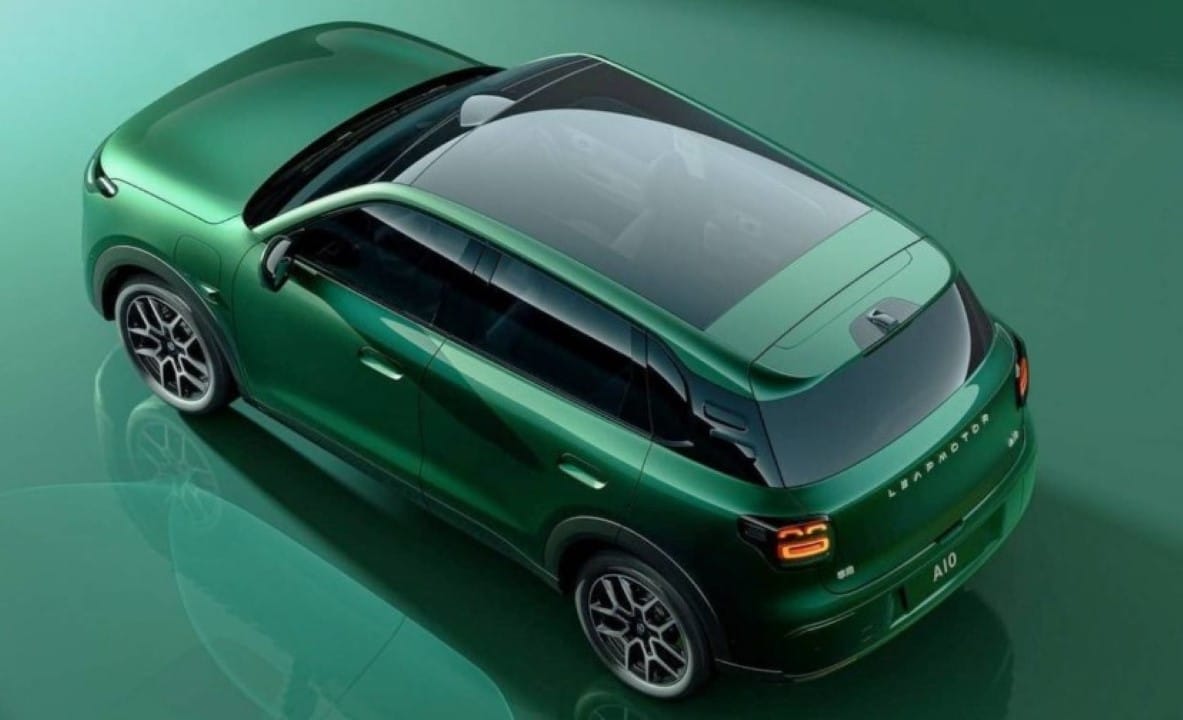
The electric vehicle industry gains a new strong competitor with the official presentation of a compact sports utility vehicle developed for the global market. The A10 model emerges as the result of the international expansion strategy of Asian brands, focusing on consumers who prioritize energy efficiency and cutting-edge technological innovations. Expected to arrive at dealerships in the last quarter of this year, the car promises to intensify the competition in the entry-level electric car segment.
This launch is strategically positioned to face consolidated models, offering a robust package of technical specifications that aim to balance cost and benefit. The engineering behind the vehicle prioritized autonomy and safety, using state-of-the-art components to ensure durability and consistent performance in different driving conditions.
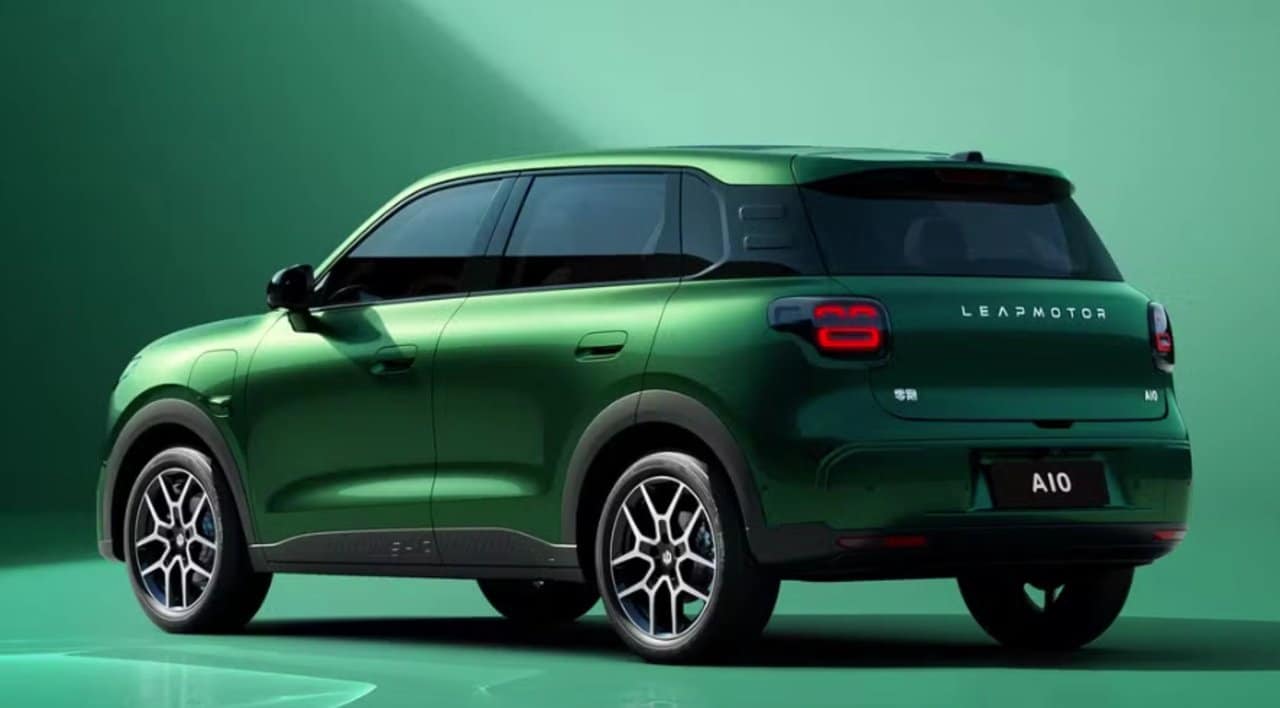
The Brazilian market is confirmed on the distribution route, with expectations that the model will arrive in the country shortly after its debut at China. The move indicates a clear effort to capture a significant portion of the young, urban public, who are looking for sustainable alternatives without giving up connectivity and comfort.
Battery and propulsion specifications
The heart of this new SUV is powered by lithium iron phosphate (LFP) batteries, a choice that reflects concern for thermal safety and component longevity. Consumers will be able to choose between two energy capacity configurations, with the entry-level version equipped with a 39.8 kWh package and the long-range version with 53 kWh. In the CLTC test cycle, these configurations deliver, respectively, 403 km and 505 km of autonomy, impressive numbers for the category.
The electric motor mounted on the front axle delivers 90 kW of power, equivalent to around 123 horsepower, providing sufficient agility for urban traffic and road trips. The intelligent thermal management system ensures that power delivery is constant, avoiding excessive energy losses in extreme climates and optimizing the vehicle’s overall consumption.
One of the biggest technical differences is the rapid recharging capacity, designed to minimize driver downtime. The system supports high currents that allow 30% to 80% of the battery charge to be recovered in just 16 minutes, transforming the refueling experience into a brief and convenient stop.
Design and internal use
The vehicle’s dimensions were calculated to maximize internal space without compromising maneuverability in large urban centers. Measuring 4.27 meters long, 1.81 meters wide and 1.64 meters high, the model has a robust but compact size. The 2.61 meter wheelbase, combined with short overhangs, allowed the designers to create a spacious cabin, resulting in an interior space utilization rate of 88.1%.
The trunk follows the proposal of versatility, offering adequate volume for everyday family needs and medium-haul trips. The absence of a central tunnel at the rear, thanks to the dedicated electric platform, increases the feeling of comfort for rear seat passengers, allowing for more ergonomic accommodation.
Technology and autonomous driving
The SUV’s electronic architecture integrates advanced driving assistance solutions, highlighted by the inclusion of a LiDAR sensor on the roof, a rare item in this price segment. The robust hardware enables level 2 and higher autonomous driving functions, providing greater safety on highways and assistance in heavy traffic situations. The system consists of high-resolution cameras and radars that monitor the vehicle’s surroundings in 360 degrees.
Inside, data processing is managed by high-performance chips, ensuring fluid operation of the infotainment system and the responses of safety assistants. The ability for over-the-air updates (OTA) ensures that the vehicle’s software remains up to date over the years, allowing it to receive new features without the need for visits to the workshop.
Market scenario and prices
The commercial strategy for the Brasil suggests an aggressive positioning, with estimated values between R$150,000 and R$160,000, placing the model on a direct collision course with the BYD Yuan Pro and the Volvo EX30. The partnership with large Western automotive groups should facilitate the logistics of parts and services, a crucial point for local consumer acceptance.
The car’s appearance adopts clean, modern lines, with color options inspired by nature and LED optical clusters that provide a distinctive light signature. The combination of accessible technology, competitive autonomy and functional design defines the brand’s commitment to establishing itself as a reference in accessible electric mobility in the coming years.
