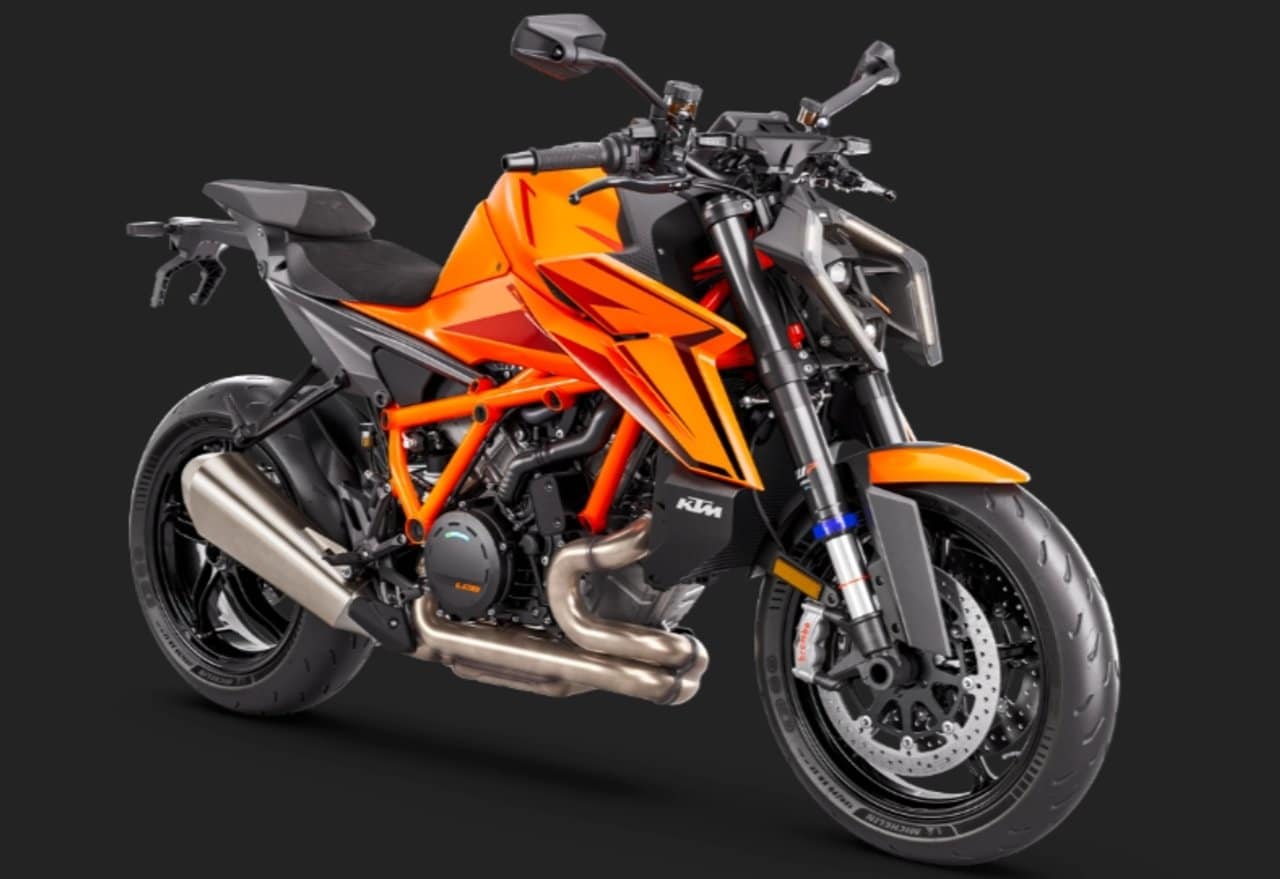
The Austrian manufacturer officially presented the latest evolution of its line aimed at high-performance tourism, consolidating the union between sporting aggressiveness and the ability to cover long distances. The recently revealed model inherits the mechanical architecture of the R EVO version, but receives specific adjustments to guarantee comfort on highways without sacrificing the brand’s characteristic raw power. The global launch took place through digital channels, positioning the machine as a technical reference in the two-wheel segment.
The heart of this new motorcycle is a 1,350cc V2 engine, which has undergone significant re-engineering to meet the demands of experienced riders. The introduction of CamShift technology, a variable valve timing system, allows the engine to deliver robust torque at low revs and reach maximum power of 190 hp at high revs. Essa duality seeks to solve the common dilemma in motorcycles in this category, offering smoothness at cruising speed and immediate reactivity when overtaking or sporty driving.
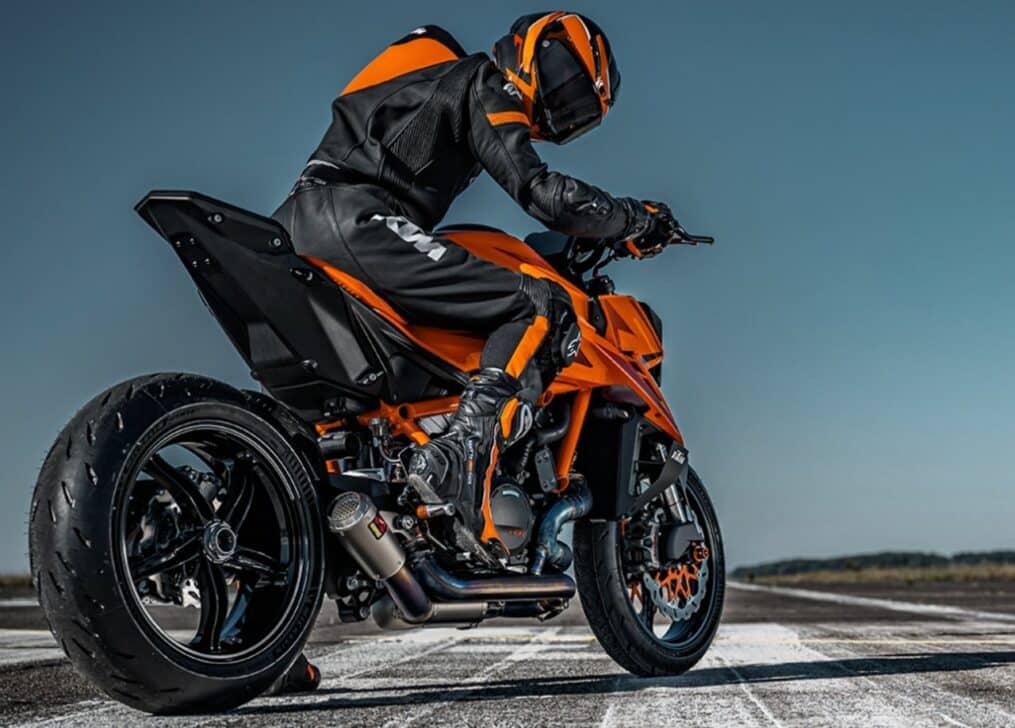
In addition to driving force, engineering focused on autonomy and drivability, keeping the dry weight at around 213 kg, a competitive number for the size of the vehicle. The fuel tank, with a capacity of 19.5 liters, was designed to provide longer intervals between refills, an essential feature for the user profile that seeks to cross states or countries on two wheels.
Radar technology and active safety
One of the biggest highlights of the project is the unprecedented implementation of a front radar developed by Bosch, discreetly integrated into the motorcycle’s frontal aesthetics. Este component is responsible for managing adaptive cruise control, a feature that automatically adjusts the motorcycle’s speed to maintain a safe distance from the vehicle in front, reducing rider fatigue on busy highways.
The safety system operates in conjunction with a six-axis inertial unit, which constantly monitors the motorcycle’s tilt, acceleration and braking. Isso allows precise actuation of electronic assistants such as cornering ABS and slope-sensitive traction control. In critical situations, the radar also assists in the emergency braking system, alerting the driver and preparing the brakes for sudden deceleration if an imminent obstacle is detected.
The user interface has been completely renewed with the adoption of an 8.8-inch horizontal TFT screen, which functions as a command center for all of the bike’s systems. The touch-sensitive panel allows map navigation, call control and fine adjustments to riding modes, all with high-resolution graphics and a customizable layout.
Mechanical refinement and intelligent suspension
The six-speed transmission received special attention from engineers, with recalibration of the fifth and sixth gear ratios. The lengthening of these ratios aims to reduce engine speed at travel speeds, which results in less vibration transmitted to the handlebars and optimized fuel consumption. Para can withstand intense use, the cooling system has been resized, now featuring a wider radiator and a redesigned air box to maximize flow.
In terms of damping, the motorcycle uses the latest generation of WP APEX semi-active electronic suspension. The system reads asphalt imperfections millisecond by millisecond, adjusting the compression and rebound of the shock absorbers in real time. The rider can switch between pre-defined settings through the panel, transforming the bike’s behavior from a comfortable “magic carpet” to a rigid and precise configuration aimed at mountain ranges and tight curves.
The braking package follows the engine’s performance, using double 320 mm discs at the front bitten by Brembo Stylema monobloc calipers, considered a reference in the current market. Para ensure that all the power reaches the ground efficiently, the motorcycle leaves the factory equipped with Michelin Power GP tires, mounted on 17-inch light alloy wheels, measuring 120/70 at the front and 200/55 at the rear.
Ergonomics and functional design
The aggressive aesthetic, designed by the Kiska Design studio, not only serves for visual impact, but fulfills vital aerodynamic functions. The floating semi-fairing was developed in a wind tunnel to divert airflow away from the rider’s helmet and torso, reducing turbulence at high speeds. The rear-view mirrors, integrated into the fairing, house the direction indicators, cleaning the look and improving rear visibility.
- Split seat with foam density optimized for long journeys.
- Adjustable pedals and handlebars to accommodate different rider body types.
- Full-LED lighting system with adaptive headlights for cornering.
- Native integration for side cases without the need for bulky external supports.
Connectivity has also been improved with the KTMconnect system, which allows full pairing with smartphones for telemetry and multimedia. The rider can manage playlists, receive turn-by-turn navigation instructions and even answer calls via voice commands, if using a communicator on the helmet, always keeping their hands on the handlebars.
Market positioning and competition
With this launch, the brand seeks to fill a specific gap between purely sports bikes (superbikes) and big adventure bikes (big trails). The model is positioned as an alternative for motorcyclists who want the precision of a track bike, but need the versatility to travel hundreds of kilometers in a single day.
Competition in the high-displacement sport touring segment is fierce, with European rivals offering similar technology packages. However, the focus on weight reduction and the aggressive response of the V2 engine seeks to attract an audience that prioritizes the thrill of riding over the absolute comfort of traditional tourers.
The arrival of the 1390 Super Duke GT at global dealerships marks a new chapter in the competition for technology on two wheels. With features such as radar, semi-active suspension and advanced connectivity, the model sets new safety and performance standards for the category.
