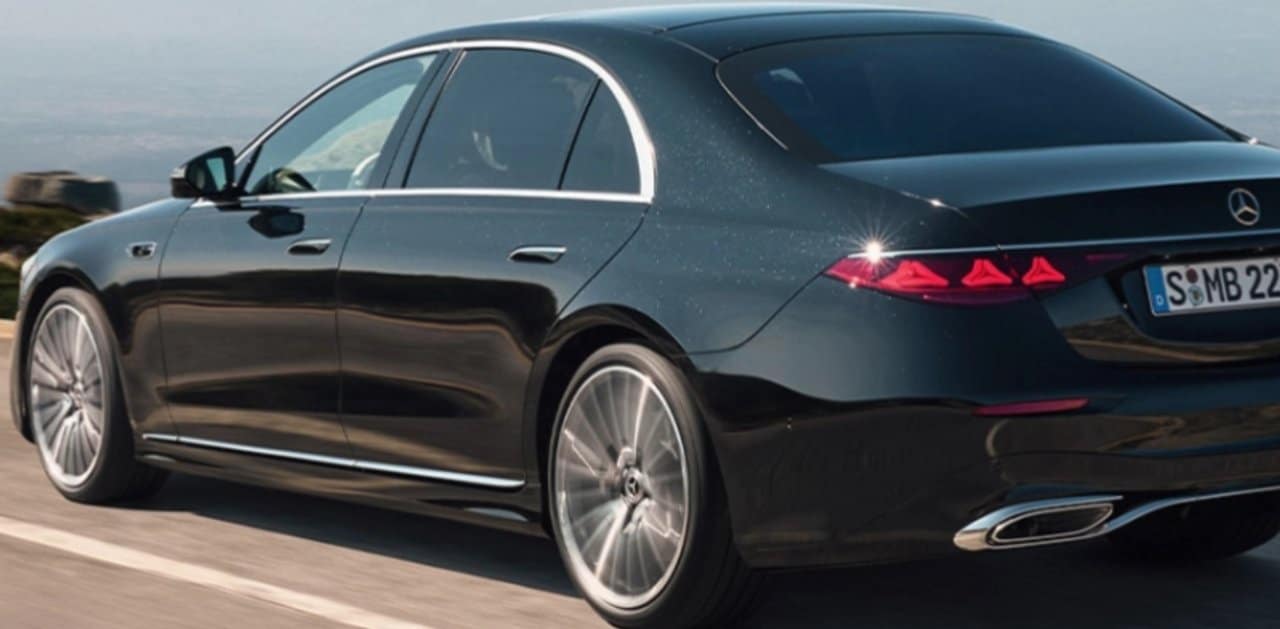
Mercedes-Benz has confirmed a comprehensive update for its most sophisticated model, raising the bar in the luxury sedan segment with modifications that go beyond simple aesthetic restyling. The German automaker highlights that this renewal process represents a change of more than 50% compared to the previous version, reaffirming its commitment to excellence in engineering and production. The central objective is to consolidate the vehicle’s leadership among executives and heads of Estado, uniting the brand’s mechanical tradition with aggressive digital innovations.
The global commercial launch is scheduled for the second half of the year, with a strategy defined to attract both traditional clientele and a new generation of consumers focused on connectivity. The update seeks to harmonize the maximum comfort expected from the manufacturer with a cutting-edge electronic architecture, ensuring that the vehicle remains relevant in a market increasingly dominated by software and immersive user experiences.
Visual renewal and nighttime identity
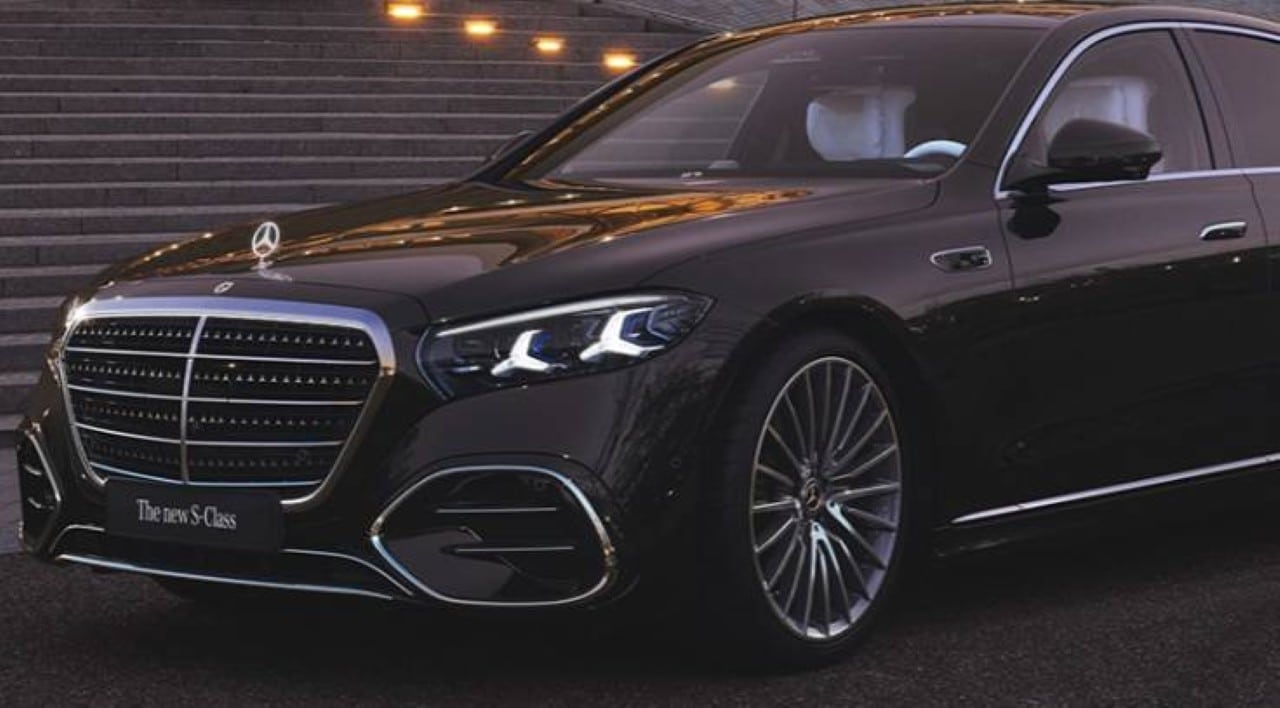
The external design received significant interventions, with special attention focused on the front grille, whose proportions were increased by around 20%, giving it a more imposing presence on the roads. The main aesthetic novelty is the introduction of a luminous frame integrated into the optical assembly, which works in sync with the headlights to create an unmistakable visual identity, especially during night driving, reinforcing the vehicle’s status in the urban environment.
In addition to the new grille, the light set was reconfigured with an unprecedented signature for daytime driving, incorporating three star-shaped elements directly into the headlights, replicating the brand’s logo. The taillights have also undergone a design update, and the customization catalog has been expanded with new metallic color options and alloy wheels up to 21 inches, allowing owners a more exclusive configuration.
Embedded technology and digital screens
Inside, the transformation is led by the adoption of a wide dashboard concept, replacing the previous layout with a continuous glass interface that dominates the instrument panel. The central system has a 14.4-inch screen, complemented by a 12.3-inch display dedicated to the front passenger. Esta configuration modernizes the cabin and provides superior visual clarity as well as improved haptic feedback for the infotainment system.
Onboard technology includes a digital instrument cluster with 3D rendering for the driver, eliminating the need for special glasses to view depth. Para the passenger, the system allows streaming of videos and entertainment content with intelligent privacy filter technology. The feature prevents the driver from viewing the screen from the side, preventing distractions and ensuring safety during the journey, while the occupant enjoys complete digital freedom.
Hybrid powertrain and driving dynamics
Mechanical engineering has been improved to prioritize efficiency without sacrificing performance, with full line electrification through 48-volt mild hybrid systems. The V8 engine received adjustments that increased its power to 530 horsepower, offering immediate responses to the accelerator and robust torque for overtaking and regaining speed. The nine-speed automatic transmission and all-wheel drive complete the package, ensuring a fluid transfer of power to the asphalt.
For consumers attentive to sustainability and maximum performance, the plug-in hybrid version has been optimized to deliver a combined power of 576 horsepower, as well as an extended electric range for everyday urban use. Riding comfort is ensured by the standard pneumatic suspension and the steering rear axle, which reduces the turning radius and facilitates maneuvering. The system uses cloud data to anticipate track imperfections and adjust shock absorbers in real time.
