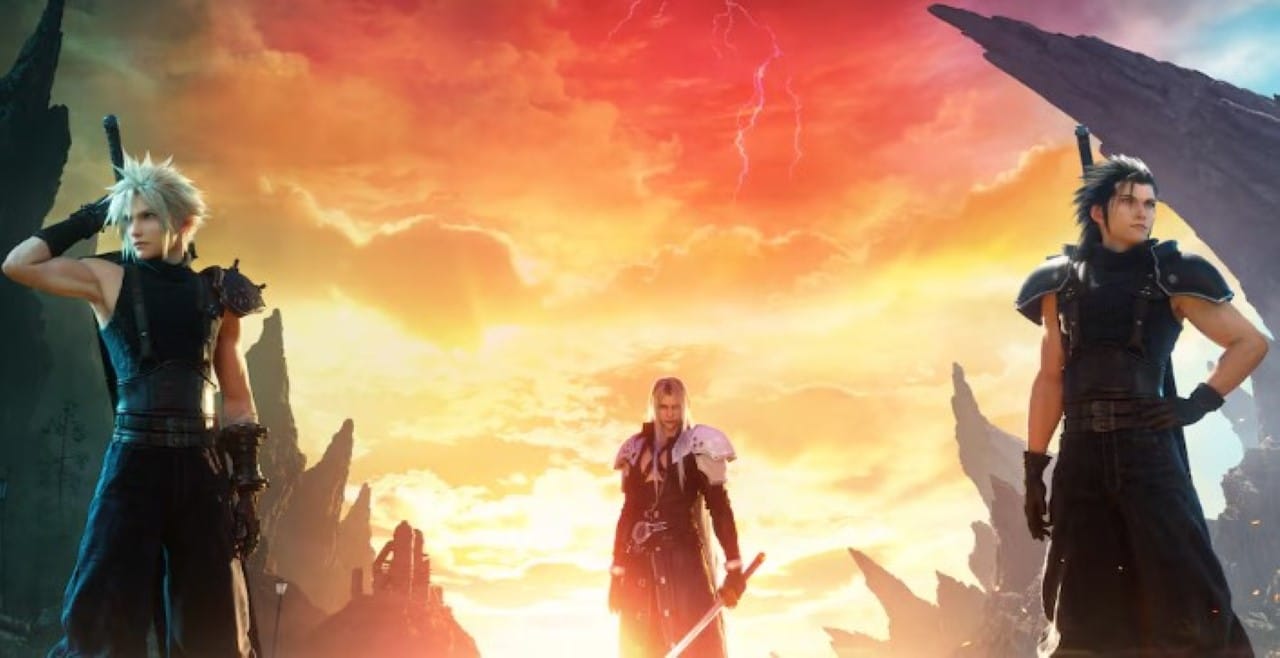
The electronic games industry is closely watching Square Enix’s recent movements, which signal a profound change in its distribution strategy for the house’s main titles. Recent Informações indicate that the third and final part of the Final Fantasy VII recreation project will not follow the temporary exclusivity model adopted in previous chapters. The guideline points to a simultaneous launch on PlayStation consoles, Xbox and computers, aiming to maximize commercial reach from day one.
This paradigm shift represents a significant departure from the business model used during the launch of Final Fantasy VII Remake and Final Fantasy VII Rebirth. Ambos titles came to the market with exclusivity agreements for Sony platforms, which restricted initial access to a single user base. The new approach seeks to correct this limitation, allowing the conclusion of the trilogy to be available to as many players as possible immediately.
The central objective of this strategic review is to optimize financial returns on the massive investment required by AAA-level productions. By eliminating platform barriers at launch, the Japanese company intends to capitalize on the moment of greatest public interest, avoiding the fragmentation of sales that occurs when versions for other systems arrive months or years later.
Review of commercial strategy and production costs
Modern high-budget game development involves operational costs that grow exponentially with each new generation of hardware. Para to Market analysis suggests that restricting a global launch to a single ecosystem prevents the product from reaching its fiscal goals quickly enough.
Sector analysts point out that the commercial performance of previous titles served as a clear indication of the need for change. Although the games were critically acclaimed, platform restrictions created an artificial ceiling for the volume of units sold in the initial weeks. With the new guideline, the company hopes to unify its marketing campaigns and engage all gaming communities simultaneously.
Among the main factors that motivate this transition to the multiplatform model, crucial elements for the long-term sustainability of the studio stand out:
- The need to recover development costs more quickly through multiple sources of revenue.
- The desire to avoid the drop in interest that naturally occurs when a game is released on other platforms too long after its original debut.
- The expansion of the installed base of players on PC and Xbox consoles, which represent a significant share of the global market.
- Simplifying the marketing cycle by focusing efforts on a single major global launch event.
The decision reflects a broader trend in the industry, where major publishers seek hardware independence to ensure the financial health of their intellectual properties. The focus becomes the accessibility of the software, transforming the launch of the game into a cultural event that transcends the preference for a specific brand of console.
Technical feasibility and use of the graphics engine
Implementing a simultaneous release on multiple platforms is facilitated by the technological choices made by the development team. The continued use of Unreal Engine as the basis for the trilogy allows for more fluid adaptation of the code to different hardware architectures. The team’s familiarity with the graphics engine’s tools significantly reduces technical hurdles that, in the past, might justify focused development on a single machine.
The team responsible for the project, which includes industry veterans, already has the necessary structure to work on parallel optimization. The workflow established during the production of the first two games created a solid foundation, allowing resources to be allocated to ensure the PC, Xbox, and PlayStation versions maintain visual and performance parity. Isso eliminates the need for late porting, which often results in technical problems or inferior versions.
By working with a widely compatible and versatile graphics engine, the developer is able to scale production to meet the specificities of each system without compromising the original artistic vision. The architecture of current consoles and the flexibility of modern computers converge to a development environment where cross-platform creation is more efficient than in past generations.
Unification of the player base and legacy
The conclusion of the saga of Cloud Strife and his allies carries significant historical weight, referring to the impact of the original 1997 game. Naquela era, exclusivity was decisive for the success of the first PlayStation console. However, the current scenario demands a different approach, where the celebration of the franchise’s legacy must be inclusive. Permitir Having players from different ecosystems experience the end of the trilogy at the same time creates a sense of global community that is vital to the brand’s continued relevance.
Audience fragmentation, caused by widely spaced release windows, dilutes the impact of online discussions and media coverage. By aligning the debut on all fronts, Square Enix ensures that the discourse surrounding the game is cohesive and omnipresent. Isso is particularly important for narrative-focused games, where the risk of spoilers increases considerably when a portion of the audience has to wait months to access the content.
This strategy also signals a renewed commitment to consumers who have invested in hardware from other brands. The message sent to the market is that the quality and availability of its main products, known as “system sellers”, will no longer be tied to restrictive agreements that benefit only a part of the gamer demographic. The end of the trilogy promises to be, therefore, not only a narrative milestone, but also a turning point in the way the Japanese giant interacts with its global audience.
