Filipe Luís generates controversy by minimizing acts of racism against Vini Jr before a game in Argentina
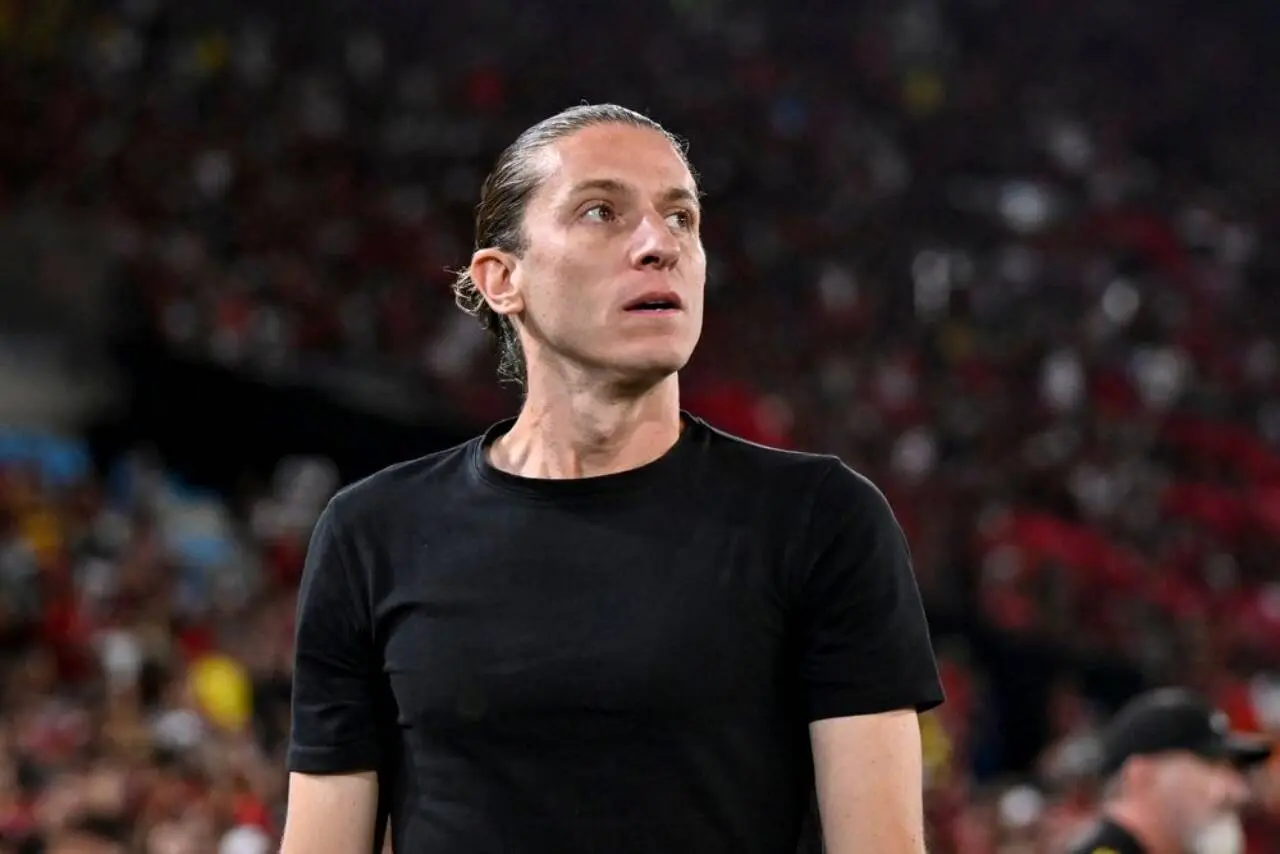
The recent statements by coach Durante the coverage of Recopa Sul-Americana in Buenos Aires, the Flamengo coach adopted a tone of neutrality that was promptly questioned by analysts and fans. The center of the controversy lies in the way in which the red-and-black commander addressed the complaint made by the former Rio club player against the Argentine Gianluca Prestianni.
The coach’s stance was classified as omissive by several sectors of the sports media, who expected a more forceful position in defense of the victim. Commentator Eric Faria used the space on the program Seleção Sportv to express his deep disappointment with the words chosen by the coach. Segundo the journalist, Filipe Luís’s attitude of “washing his hands” in the face of such a serious social issue represents a defeat that transcends the result obtained within the four lines in the confrontation against Lanús.
Filipe Luís speaking to TV Argentina:
— DataFut (@DataFutebol)February 19, 2026
— “For me it’s very simple, Prestianni covered his mouth and shouldn’t have done that, this is very delicate and if he said that he has to PAY for it.”pic.twitter.com/5FZ1WPBNjK
Institutional reactions and the weight of voice in sport
The omission perceived in Filipe Luís’s speeches directly contrasts with the recent history of combating prejudice in international football and with the Flamengo’s own stance as an institution. The Rio club had published an official note on its social networks expressing full support for Vinícius Júnior, highlighting that racism cannot be normalized or treated as part of the game. The dissonance between the board’s message and the coach’s statements in Estádio La Fortaleza amplified the debate about the responsibility of public figures in leadership positions.
- Institutional support from Flamengo reinforces the fight against racial prejudice.
- Uefa protocols were activated immediately after the report on Lisboa.
- Press criticism focuses on the need to make the victim’s account credible.
- The repercussions hit the coach’s image in his first major ethical crisis.
Controversial statements before the decisive clash
The atmosphere of tension began to emerge in interviews prior to the game against Lanús, when Filipe Luís was asked for the first time about what happened with his former club teammate. The coach stated that the situation boiled down to “one person’s word against another’s”, justifying that he could not judge the case because he had not witnessed the direct dialogue. Essa statement was the trigger for experts to point out a flaw in the interpretation of the seriousness of the facts, since the Real Madrid attacker is a constant target of systematic persecution.
By avoiding a direct condemnation of the gesture of Prestianni, who covered his mouth to insult the Brazilian, the coach ended up softening the seriousness of the act reported by Vini Jr. Eric Faria highlighted that, in cases of this nature, it is essential that those around football and football leaders give credit to the offended player, especially considering the context of recurrence of racist attacks. The attempt to maintain diplomatic neutrality in Argentine territory was read as a failure of empathy and understanding of the social role that football currently plays.
Vision of the sporting environment at Argentina
After the final whistle in the 1-0 defeat to Lanús, Filipe Luís was questioned again about how he felt on Argentine soil given the history of incidents with Brazilians. The coach declared that he was an admirer of the neighboring country and stated that he had always been very well received, treating the Vini Jr episode as an isolated fact that did not change his positive perception. Essa’s speech generated even more discontent, as it ignores growing statistics of racial insults recorded by Conmebol in South American competitions in recent years.
Statistics indicate that incidents of racism in stadiums are not rare exceptions, but rather a structural problem that affects Brazilian athletes and fans with alarming frequency in continental competitions. The coach’s comment about being “enchanted” by Argentina sounded, to many critics, like a disregard for the pain suffered by players who are received with discriminatory gestures. Para Eric Faria, Filipe Luís missed the opportunity to use his influential voice as a former elite athlete and current coach of Brasil’s biggest club to make a stand against prejudice.
Context of Vinícius Júnior’s complaint on Europa
The case that gave rise to all the controversy happened last Tuesday, during the victory of Real Madrid over Benfica by Liga of Campeões of Europa. Logo after scoring the Spanish team’s goal, Vini Jr reported to the referee that player Gianluca Prestianni had uttered racist insults towards him during an argument on the field. The match referee strictly followed the Uefa protocols, interrupting the game momentarily so that warnings could be issued over the stadium’s sound system, validating the Brazilian’s complaint.
Flamengo, aware of its historical connection with the star revealed in its youth divisions, acted quickly to show solidarity with the athlete through its official channels. The note highlighted that the attacker is not alone and that the joy of his dance cannot be the target of attacks motivated by racial hatred. Esse posicionamento institucional foi amplamente elogiado por humanizar a figura do jogador e reforçar a rede de apoio necessária para enfrentar crimes de intolerância no esporte de alto rendimento.
Ethical challenges and command responsibility
The role of a modern football coach goes far beyond the tactics and strategies designed on the blackboard to overcome the opponent on the field. In command of a team with the social dimension of Flamengo, the technical leader is expected to also act as a spokesperson for fundamental values of civil society. The criticism of Eric Faria highlights precisely this point, arguing that the omission of Filipe Luís is more harmful than any tactical setback suffered during the ninety minutes of a football match.
The journalistic analysis suggests that Filipe Luís’s attempt to divert from the subject to focus only on the game was a strategic error in communication and human positioning. By saying that “he is not the one who can judge”, the coach distances himself from a necessary discussion about the behavior of professional athletes and the protection of their peers against abuse. Esse type of neutral stance is seen by experts as a facilitator for racism to continue to be treated as a secondary element in sport, instead of a crime that must be fought by everyone involved.
Reflections on the relationship with the red-black fans
The Flamengo fans, who have immense affection for Vinícius Júnior, showed dissatisfaction on social media with the passivity shown by the coach towards their home idol. Muitos fans expected the commander to take advantage of the conference microphone to send a message of strength to the attacker, joining the club’s institutional choir. The lack of assertive speech created a momentary gap between the public’s expectations and the reality presented by the coach in his first international interviews as head of the team.
Perspective on combating prejudice in the field
The fight against racism in football has become increasingly serious, with severe punishments provided for in national and international regulations to curb such practices. Quando, a prominent figure like Sports journalism fulfills its role by demanding coherence and firmness from those who have the power to influence thousands of young people who see football as a mirror for their lives.
Flamengo’s defeat on the field can be reversed in the return match, but the repercussion of their coach’s words should remain as a point of reflection for their future trajectory. The demand for a more active stance reflects society’s desire for real changes in the way sport deals with diversity and basic human respect. The case of Vini Jr remains under investigation by European sports authorities, while in Brasil the debate about the responsibility of coaches in social issues takes on a new chapter with this episode.