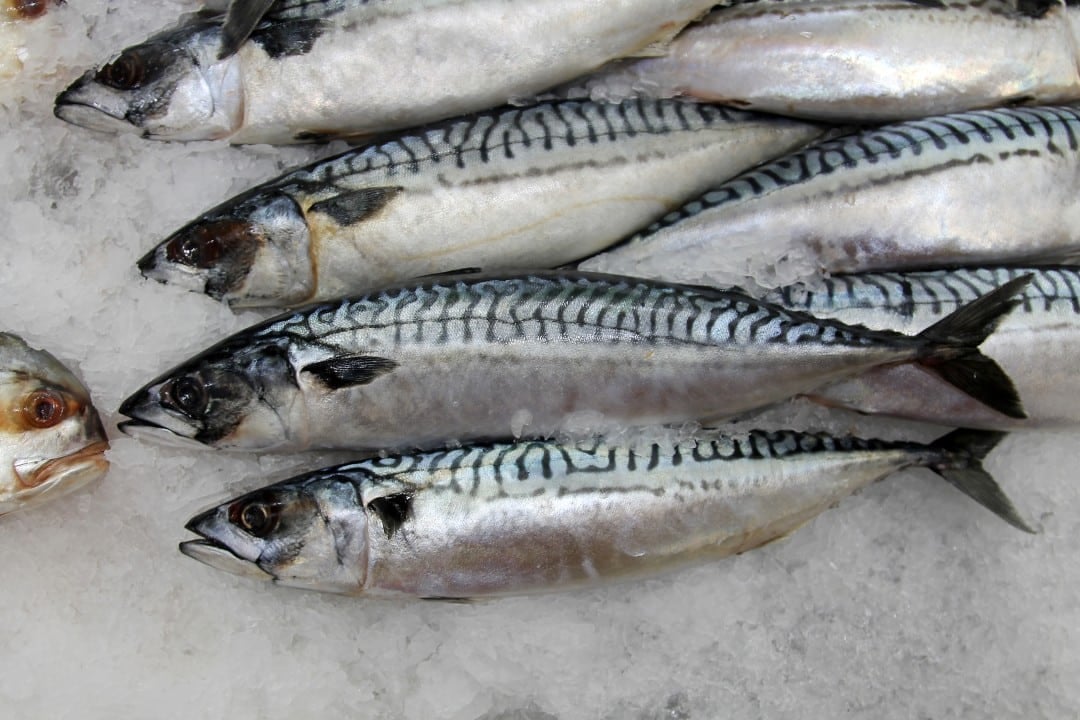
A reevaluation of marine superfoods has revealed surprises for the public and nutrition experts. Enquanto salmon traditionally occupies the throne as king of omega 3, a recent study points to an accessible and widely known competitor among Brazilians: mackerel. Este fish, available in fairs and markets throughout the country, demonstrates a content of essential fatty acids that exceeds expectations.
The discovery suggests a valuable public health opportunity by offering a nutritious and economically viable alternative to eating healthy fats. With its remarkable qualities, mackerel can play a crucial role in the diet of many individuals looking to improve the quality of their diet without compromising the family budget. Sua constant presence on the coast and interior reinforces its potential.
In addition to the cost-benefit, including mackerel in the menu can diversify the sources of important nutrients, going beyond more conventional options. Talvez is the time to reposition the image of this fish, which has long been part of national culinary culture, but not always recognized for its extraordinary nutritional value and favorable data.
An affordable nutritional giant
Mackerel, also known as mackerel in some regions, is a medium-sized fish that thrives in cold, coastal waters, which favors the accumulation of beneficial fats in your body. Este natural environment and its diet rich in plankton directly contribute to the lipid profile that makes it stand out in the nutritional scenario.
Its popularity is due not only to its ease of finding, but also to its price, which is generally more affordable compared to other fish rich in omega 3, such as imported salmon. Essa The combination of availability and cost makes mackerel a strategic option for those looking to optimize their health through nutrition without burdening their budget.
The essential benefits of fatty acids
Omega 3 fatty acids, especially EPA (eicosapentaenoic acid) and DHA (docosahexaenoic acid), are fundamental nutrients for the proper functioning of the human body. Eles play a vital role in protecting cardiovascular health, helping to reduce triglyceride levels, lower blood pressure and prevent arrhythmias. Além In addition, they contribute significantly to brain function, improving memory, concentration and mood, and are important in maintaining eye health, helping to prevent retinal degenerative diseases. The anti-inflammatory action of omega 3 is another crucial point, combating chronic inflammatory processes that are at the root of several diseases, from joint diseases to some autoimmune conditions.
The superiority of horsetail in data
Recent research data illustrates the impressive concentration of omega 3 in mackerel. Segundo a survey published in the scientific journal Nature Food, this fish can contain an average of 5,134 milligrams of omega 3 per 100 grams of edible portion. In contrast, salmon, considered the main source, offers approximately 2,260 milligrams in the same amount.
This substantial difference highlights mackerel as a privileged source of the nutrient, offering more than double the amount present in salmon. Its diet and habitat in colder waters are crucial factors for this composition, allowing the fish to accumulate a greater reserve of these essential fats, which translates into a direct benefit for the consumer.
Nutritional profile beyond omega 3
In addition to the high concentration of omega 3, mackerel has a complete nutritional profile that elevates it to the category of superfood. It is an excellent source of proteins of high biological value, essential for the construction and repair of tissues, as well as for the production of enzymes and hormones in the body. Essas proteins are easily digested and absorbed.
Fish is also rich in various vitamins and minerals. Entre vitamins include the B complex, crucial for energy metabolism and the functioning of the nervous system, and vitamin D, essential for bone health and immunity. Vitamin E, a potent antioxidant, is also present in relevant quantities, protecting cells against damage.
Regarding minerals, horsetail provides good doses of selenium, which acts as an antioxidant and is important for thyroid function, and phosphorus, essential for the formation of bones and teeth. Além In addition, it contains potassium, which contributes to the regulation of blood pressure, and iodine, vital for the production of thyroid hormones and cognitive development.
Economic advantages and food security
The accessibility of mackerel is one of its biggest attractions, especially in an economic scenario where the search for healthy foods often comes up against high prices. Sua abundance on Brazilian coasts and local fishing contribute to a more attractive cost, making quality nutrition more democratic and within reach of several families.
This economic factor is crucial for the population’s dietary health, allowing more people to incorporate fish rich in omega 3 into their diets regularly. By opting for mackerel, consumers can enjoy the cardiovascular and brain benefits without compromising other areas of the household budget.
Additionally, a relevant aspect of mackerel lies in its lower risk of contamination by heavy metals, such as mercury. As it is a smaller fish with a relatively short life cycle, it tends to accumulate less of these substances throughout its existence, unlike larger and longer-lived fish that are at the top of the food chain.
This characteristic makes mackerel a safer choice from a food safety perspective, especially for more vulnerable groups, such as pregnant women and children, who need to control exposure to heavy metals. It is an option that combines nutrition and less concern about environmental contaminants, reinforcing its value in the diet.
Incorporate fish into your diet
Introducing mackerel into your diet is a simple step to improving your intake of essential nutrients. Sua versatility allows it to be used in a variety of recipes, from more elaborate dishes to quick and practical preparations for everyday life. By choosing this fish, you will be investing in your health in a tasty and efficient way.
Practical cooking tips
Mackerel can be prepared in multiple ways, enhancing its characteristic flavor and firm texture. Ela is excellent grilled, roasted in the oven with herbs and vegetables, or even in stews and moquecas, absorbing seasonings well and integrating with different cuisines. A fresh lemon and olive oil work wonders.
For those looking for practicality, pickled mackerel is also an option, although it is important to check the amount of sodium and other additives. However, the fresh version will always be the best option to take full advantage of all its nutritional benefits, guaranteeing flavor and health in every bite.
Impact on marine sustainability
Choosing mackerel not only benefits individual health, but can also have a positive impact on the sustainability of marine ecosystems. As it is an abundant species and has a good capacity for population recovery, its fishing, when done responsibly, is considered more sustainable than that of other more threatened or overexploited species.
Encouraging the consumption of fish such as mackerel contributes to market diversification and reducing pressure on stocks of more popular and sometimes declining species. Essa The practice of conscious consumption is fundamental for preserving marine biodiversity and ensuring fishing resources for future generations, aligning health and environmental responsibility.
