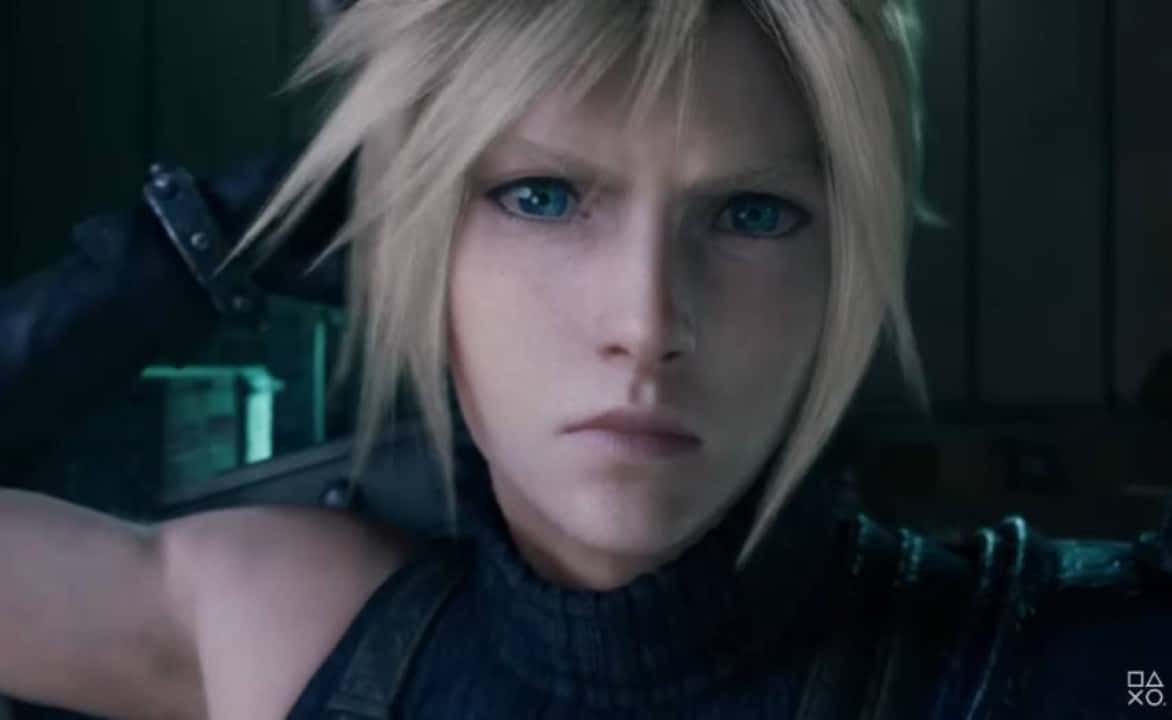
Japanese production company Square Enix has confirmed a structural change in its market approach for upcoming big-budget releases. The third and final chapter of the Final Fantasy VII recreation project will arrive simultaneously for the PlayStation 5, Xbox Series X|S and computer platforms. The decision marks the end of a period of temporary exclusivity that accompanied the first two titles in the franchise on Sony consoles.
The company’s move reflects a new internal guideline focused on maximizing the reach of its main intellectual properties on launch day. Anteriormente, players on other platforms had to wait months or even years to access games in the series. The move aims to mitigate the financial risks associated with the development of high-cost securities, ensuring a significantly larger consumer base from the outset.

The confirmation of the multiplatform release responds to a long-standing request from the Xbox and PC gaming community, who frequently expressed frustration with access barriers. Square Enix recognized that hardware limitations hampered the sales potential of its most important works. With the new policy, the developer hopes to establish a more sustainable standard for the future of its large productions.
Change in the developer’s commercial strategy
The decision to abandon temporary exclusivity is directly linked to the commercial results obtained with previous releases in the franchise. Embora games have received acclaim from critics and fans, Square Enix’s financial reports indicated that sales targets were not satisfactorily achieved. The initial restriction to a single platform considerably limited the number of potential buyers during the launch window, a crucial period for the revenue of a large title.
Faced with this scenario, the company’s management implemented a restructuring plan focused on the new reality of the global market. The plan foresees the cancellation of smaller projects and the redirection of resources to consolidated franchises, with multiplatform launches being mandatory. The developer’s leadership understands that exclusivity has become an unsustainable model for games that require budgets in the hundreds of millions of dollars.
End of exclusivity on Sony consoles
The history of the partnership between Square Enix and Sony dates back to the beginning of the project to recreate the 1997 classic. The first chapter remained tied to the PlayStation ecosystem for more than a year before receiving versions for computers. Essa’s exclusivity window generated strong appeal for the Sony console, but it also created a fragmentation in the RPG franchise’s fanbase.
With the arrival of the second part, the dynamic was repeated, keeping the title restricted during its first months of life. However, the current scenario in the video game industry shows that production costs have grown at a much greater rate than the installed base of a single platform. The dependence on commercial agreements with console manufacturers is no longer financially advantageous for the Japanese producer.
The transition to a simultaneous launch model represents a paradigm shift in the historical relationship between the two technology giants. The Sony loses one of its main exclusive attractions, while the Microsoft gains a boost in weight for the Xbox Series X|S catalog. The move highlights that global reach and accessibility have become top priorities for game development studios.
Technical details and graphics engine transition
In addition to commercial changes, the development of the third chapter will undergo a significant technological update. The production team confirmed the transition to the Unreal Engine 5 graphics engine, replacing the previous version used in past games. Essa change aims to optimize workflow and take advantage of the latest rendering and lighting tools available on the technology market.
The adoption of new technology will allow the creation of even more detailed and expansive environments, essential for the representation of the game world. One of the team’s main technical challenges is the implementation of the air navigation system through the franchise’s iconic aircraft. The updated graphics engine provides the capabilities needed to render the global map in real time, without apparent loading screens during flight.
The graphics engine transition also facilitates the process of adapting the game to multiple platforms simultaneously. The native Unreal Engine 5 tools have enhanced support for the Xbox Series X|S hardware and a wide variety of computer configurations. Isso reduces the time and resources required to optimize code for each specific system during the final production phase.
Developers guarantee that the technological change will not cause significant delays in the development schedule. The team’s familiarity with the base architecture of the graphics engine allows for an efficient migration of resources already created. The expectation is that the game will present a notable visual leap, maintaining performance stability on all platforms confirmed for launch.
Financial impact and internal restructuring
Square Enix’s new cross-platform approach is part of a broader effort to stabilize the corporation’s finances after a period of instability. Relatórios recent events pointed to declines in operating profits, driven by the lower-than-expected performance of several medium and large launches. Para reversing this trend, the company decided to concentrate its investments in intellectual properties with guaranteed returns, eliminating parallel projects that did not have clear commercial viability. The restructuring resulted in significant writedowns but established a stronger foundation for the coming fiscal years. The focus now lies on maximizing the profitability of each new title through immediate availability across all relevant gaming ecosystems.
The simultaneous launch strategy also changes the way the company negotiates with hardware platform holders. Sem advance payments for exclusivity agreements, Square Enix becomes entirely dependent on the volume of direct sales to consumers. Isso requires more comprehensive marketing campaigns and strict quality control to ensure positive reception on all fronts. Including the Xbox Series X|S and PC in the initial planning dilutes the risks associated with the launch, creating multiple simultaneous revenue streams. Management believes that organic selling across multiple platforms will outweigh the short-term financial benefits offered by restrictive contracts.
Movement in the global electronic games market
The Japanese producer’s decision reflects a profound transformation in the dynamics of the global video game industry, where software exclusivity is becoming an increasingly rare practice. The exponential increase in development costs for high-budget games, often surpassing the two-hundred million dollar mark, requires studios to reach as many gamers as possible to make a profit. Empresas competitors have already adopted the stance of launching their titles on rival platforms to sustain revenue growth and maintain the viability of their studios. Audience fragmentation in closed ecosystems harms long-term engagement and limits the sales potential of additional content. By embracing the multiplatform model, Square Enix aligns with modern consumer trends, where gamers expect to have access to major releases regardless of the hardware they own. Essa paradigm shift also weakens the traditional concept of console wars, shifting the focus from competition to the quality of services offered by each manufacturer. The need to adapt has become a matter of corporate survival in a highly competitive market susceptible to economic fluctuations. The stance adopted by the developer serves as a clear indication that the future of digital entertainment will be guided by universal accessibility and the breaking down of barriers between hardware platforms.
Expectations for simultaneous release
The announcement of the simultaneous release generated a largely positive response in gaming communities around the world. The elimination of wait times for Xbox and PC users creates a sense of global event surrounding the trilogy’s conclusion. Analistas of the market project that availability on multiple platforms could result in the highest initial sales volume in the franchise’s history. The development team continues to work to ensure that all versions of the game offer an impeccable technical experience on launch day.
Narrative elements and closure of the trilogy
The third chapter carries the responsibility of concluding one of the most influential narratives in the history of video games. The writing team promised to tie up all the loose ends left by previous titles, offering a satisfying outcome for both veterans and new fans. The inclusion of new areas and the expansion of the global map promise to further deepen the mythology of the game’s universe.
The recreation of the 1997 classic proved to be a monumental project, dividing the original story into three distinct, detail-rich parts. The multiplatform release will ensure that a vast audience can witness the completion of this epic journey simultaneously. Square Enix is betting all its chips on this closure to consolidate the success of its new commercial strategy and reaffirm its role as a leader in the development of RPGs.
