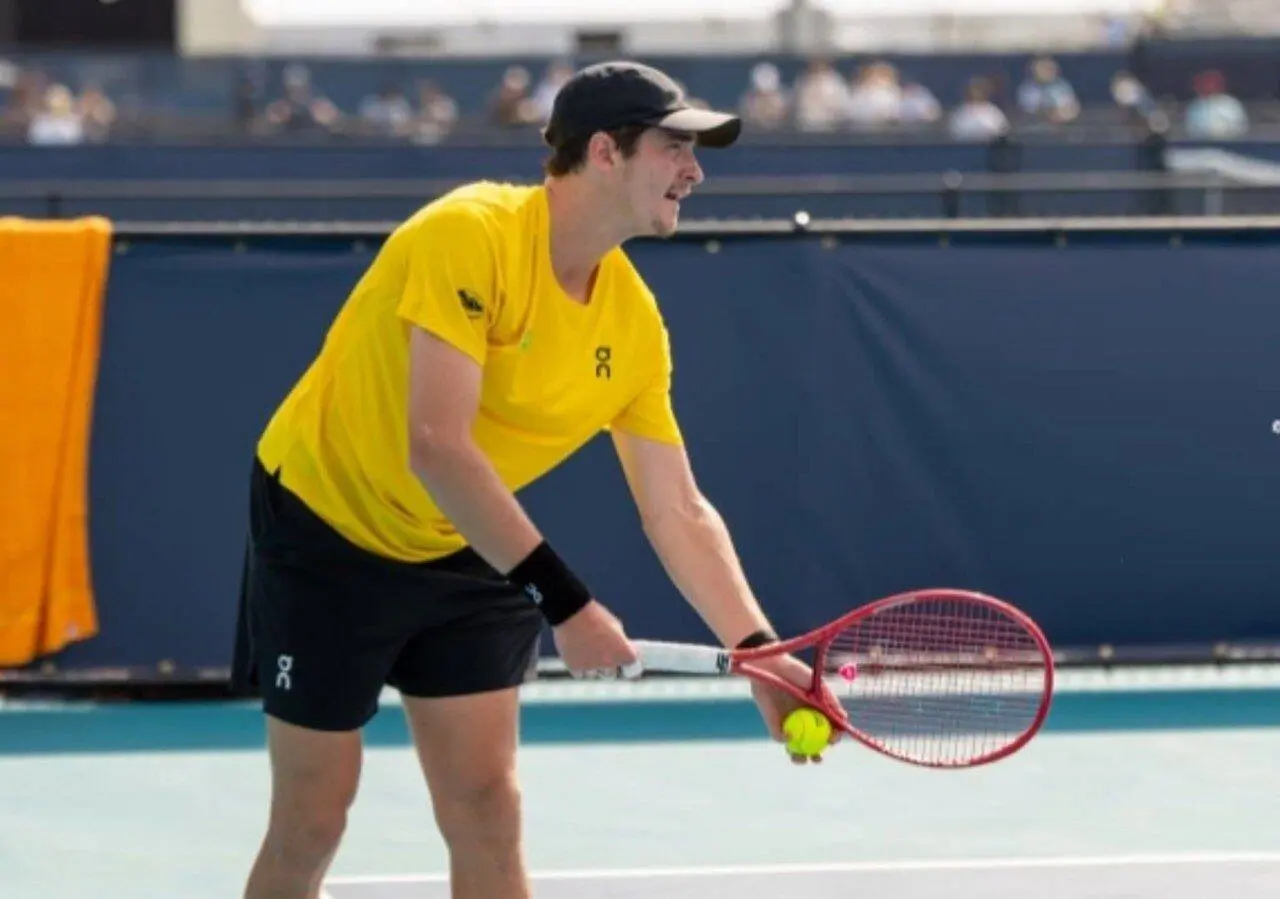
14.2 million investment in CSK’s Kartik Sharma sparks debate after limited performance in IPL 2026

Young player Kartik Sharma, one of Chennai Super Kings’s (CSK) high-value acquisitions for the 2026 Indian Premier League (IPL), has faced a challenging start to the competition, sparking discussions about the performance of significant investments. In his most recent appearance, against Punjab Kings (PBKS) this Friday, the athlete was unable to translate the expected talent into points, leaving the field with just one run, a result that follows an equally modest performance in the debut match. Pressure is mounting on the 19-year-old, who was bought for a staggering 14.2 million rupees at the mini auction.
His brief spell on the field in the match against PBKS was marked by an innings with the score at 123 for 3, but soon after, his stay was abruptly ended. With just three balls faced, Sharma was declared LBW (leg before wicket) by South African Marco Jansen, shattering the expectations placed on his performance.
This recent performance adds to his debut against Rajasthan Royals where he scored 18 runs in 15 balls. Embora showed a promising start in that game, he was unable to convert the good start into a more substantial score for his team.
The millionaire acquisition and expectations
The signing of Kartik Sharma by Chennai Super Kings for 14.2 million rupees in the IPL 2026 mini auction highlighted the great potential that the franchise saw in the young athlete. Valores like this often reflect not just current talent but also the promise of a bright future and the ability to make an immediate impact in a format as dynamic as T20. Sharma arrived in the IPL with a reputation built on the domestic circuit, where, playing for Rajasthan, he displayed magnificent performances, notably his ability to hit sixes, which made him a coveted name and a headliner at the auction. The expectation was that he would bring renewed energy and significant firepower to CSK’s midfield, justifying the high investment and filling strategic gaps in the team.
Poor performance in first appearances
In the confrontation against Punjab Kings, Kartik Sharma’s performance was once again below expectations. The young batsman came on at a crucial moment for Chennai, with the team having already lost three wickets and needing to accelerate their score. However, his stay at crease was short-lived; he was quickly dispatched by Marco Jansen, who caught him LBW after Sharma had scored just 1 run in 3 balls, a runout that put the brakes on any momentum the team could build through his innings.
This run of results follows his debut, which came in the previous game against Rajasthan Royals. Naquela occasion, Sharma managed to score 18 runs in 15 balls, which, although not an impressive score, represented a decent start. Contudo, the inability to capitalize and turn these promising starts into more significant contributions to the team total has been a point of concern, especially considering the amount invested in his acquisition.
The pressure on young IPL talent
Indian Premier League is known for being one of the most competitive and high-profile cricket tournaments in the world, attracting talent of all ages, but especially putting a spotlight on promising youngsters. With a contract worth 14.2 million rupees, expectations around Kartik Sharma are naturally high. The scrutiny from the media, fans and the team itself can be immense, creating a high-pressure environment that not all athletes can immediately manage.
For young players like Sharma, the transition from the domestic circuit to the international IPL stage can be brutal, requiring not only sharp technical skills but also considerable mental resilience. The demand for instant results in the T20 format, where every ball and every run is crucial, further intensifies this pressure, leaving little room for errors or prolonged adaptation periods.
Despite being an undeniable talent with a promising future, the challenge for Sharma now lies in overcoming initial difficulties and demonstrating the value that Chennai Super Kings saw in him. The ability to transform pressure into performance is a milestone for any athlete aspiring to success in top-level cricket.
The scenario of Chennai Super Kings in the match
Chennai Super Kings’s match against Punjab Kings revealed a rollercoaster of emotions and performances. The team suffered a setback early in their innings, losing the talented Sanju Samson early after being sent to bat. Essa initial loss put CSK in a delicate position, requiring subsequent players to take responsibility and stabilize the game as well as maintain the scoring pace.
The answer came from young Ayush Mhatre, who entered the field and delivered a stellar performance, serving as a fundamental pillar for the team’s recovery. Mhatre, originating from Mumbai, displayed an aggressive and intelligent bat, scoring an impressive 73 runs in just 43 balls. Sua innings was graced with 6 fours and 5 sixes, demonstrating her ability to find the boundaries and accelerate the scoring at a crucial time for Chennai.
Rhythmed after the departure of Mhatre
Ayush Mhatre’s excellent performance was a catalyst for Chennai Super Kings, allowing the team to build a respectable total despite the early losses. However, following their elimination, CSK’s scoring pace saw a noticeable slowdown, indicating their reliance on Mhatre’s inspiration to keep the pressure on the opposing team. The match featured the 16th over, with the score at 148/4, suggesting a consolidation phase and, at the same time, the need to accelerate in the final overs to reach a challenging total.
During this period, other beaters tried to maintain the momentum. Shivam Dube was contributing an average of 14 runs per ball, demonstrating some ability to maintain the strike rate. Sarfaraz Khan, meanwhile, was on 13 runs from 6 balls, indicating an effort to add points quickly, but the team as a whole was unable to replicate the explosive pace that Mhatre had provided.
Challenges and the Road Ahead for Sharma
Kartik Sharma, despite his turbulent start to IPL 2026, he has time on his side due to his youth, at just 19 years old, and the immense talent that has made him stand out on the national stage. The main challenge for him will be to improve his consistency and ability to convert promising starts into big scores, something essential in T20 cricket. Experience in high-level leagues like the IPL is invaluable, and each match offers an opportunity to learn and grow.
The Chennai Super Kings team will also play a crucial role in Sharma’s development, needing to balance patience and support with the need for results. Future opportunities will be vital for the young player, who will certainly look to make the most of every chance to demonstrate why CSK have invested so heavily in him. The ability to deal with adversity and come back stronger is a characteristic of great athletes, and Sharma will have to prove their resilience in the next rounds of the competition.
The competitive environment of the IPL requires players to constantly be at the peak of their skills. Para Sharma, this means not only improving your bat technique, but also developing greater game intelligence and the ability to read match situations. The search for a more impactful performance will be a continued focus for him and the Chennai Super Kings coaching staff, who aim to see their investment bear fruit throughout the season.
Team News: The condition of Pathirana
On a team-related note, Chennai Super Kings also handles news about the fitness of its players. Matheesha Pathirana, a key player for Kolkata Knight Riders (KKR) – although the original agenda information appears to have a team conflict, indicating that Pathirana is from KKR while discussing CSK – is out of IPL 2026 as he has not reached the necessary physical fitness to participate in the competition. Essa The situation demonstrates the rigor of the physical demands in the league and the impact that the unavailability of athletes can have on the strategic planning of teams, regardless of the franchise they belong to.