Nintendo reveals hybrid console with Nvidia chip and remake of Zelda Ocarina of Time
Nintendo officially announced its new generation of hybrid video game that works both attached to televisions and in independent portable mode. The equipment integrates a customized processor developed in partnership with Nvidia and arrives on the market accompanied by a complete recreation of The Legend of Zelda: Ocarina of Time. A simultaneous global launch is expected soon, with Asian assembly lines operating at maximum capacity to ensure international retail supply. The revelation ends months of speculation about the brand’s renewal cycle and seeks to attract both recent consumers and nostalgic players.
Tela expanded and advanced graphics processing
The new console maintains the versatile architecture that characterizes the manufacturer, but with significant improvements. The eight-inch liquid crystal screen offers high durability and allows for a competitive price on the shelves, prioritizing financial accessibility for the general public. The LCD panel represents a strategic choice that goes against the speculations of analysts who projected the inclusion of more expensive screens.
『제르다의 시대의 오카리나』의 메자리메이크특,
(소스:https://t.co/Isv8LRAJxQ) pic.twitter.com/NQfhSRF9CE
—चर्चाफिल्म (@चर्चाफिल्म)2026년 3월 27일
The customized processor integrates recent artificial intelligence technologies aimed at image enhancement. The system uses the DLSS dynamic resizing method during visual processing, delivering resolutions close to 4K format when the device rests on the base connected to the television. The increased computing capacity allows partner studios to create complex projects, significantly increasing development possibilities.
Thermal management required unprecedented structural modifications to the device housing. Engineers designed an innovative ventilation system to dissipate heat from the new processor, ensuring stable performance during long sessions of continuous use. The internal battery received an increase in physical capacity that compensates for the energy consumption of the expanded screen and powerful chip. Factory tests indicate autonomy similar to that of the predecessor console, varying according to the graphical requirements of the software being run.
Complete Remake of the nineties adventure classic
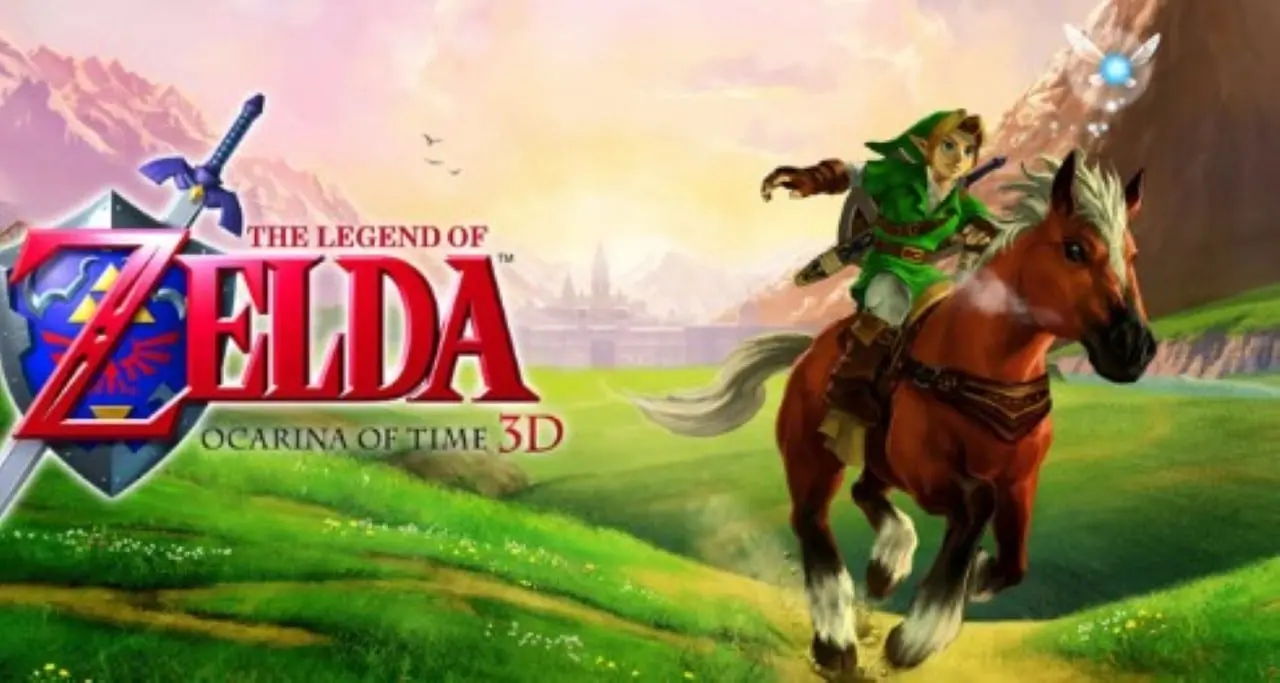
The title chosen to boost initial sales underwent absolute structural reconstruction. The programmers discarded the original codes from the late nineties and used a contemporary graphics engine to build the kingdom of Hyrule from scratch. The project required years of internal planning, with veterans of the original production participating in the modernization process focused on preserving the artistic identity while updating visual standards.
The changes implemented in the software affect several areas of audiovisual production:
- Modelos of characters and scenes remade with high definition textures and realistic volumetric lighting.
- Trilha original sound replaced by complete arrangements recorded by professional symphony orchestra.
- User Interface redesigned for easier navigation and item management during action.
The fluidity of the gaming experience has received specific adjustments based on the behavior of modern consumers. The developers changed old puzzles and dated progression mechanics, making the exploration pace more agile. Transitioning between areas of the open map occurs without visible interruptions, while loading dungeons happens almost instantly thanks to the read speed of the new internal solid-state storage. Água’s Templo, known for its difficult navigation, gained clear visual markings on the walls.
Full Compatibilidade with previous library
The transition between console generations often forces users to abandon old game collections. Nintendo took a different approach by confirming full backwards compatibility with the previous platform. The compartment of the new device reads physical cartridges purchased in recent years, meeting historical demand from the gaming community and ensuring preservation of the financial investment made by customers.
The digital environment follows the same continuity policy. The account system automatically migrates the user’s purchase history, save data stored in the cloud and list of registered friends. Consumers will not pay additional fees to download titles they already own. The virtual store underwent interface restructuring that unifies the catalogs of both generations in a single navigation environment.
Produção bulk and developer support
Logistical planning for distribution began months in advance. The manufacturer has started large-scale production in Asian factories to avoid shortages that have affected the electronics industry in recent years. The distribution centers at América of Norte, Europa and Japão are already receiving the first commercial batches, using sea routes and air networks to ensure the simultaneous launch date.
The operating system architecture facilitates the work of partner studios around the world. The technical documentation uses known computer industry standards, simplifying the process of converting games developed for other platforms. Grandes developers from the West and East have access to the final programming kits and test heavy graphics engines on the new hardware. The initial release calendar reflects the massive support from external producers, with many encountering technical barriers to publishing work in the brand’s previous ecosystem. The strategy of combining strong own franchises with massive support from partners defines the current business model, and the financial market projects high sales volumes in the first weeks of availability in international retail.