Apple cuts Intel laptop support on macOS 27 update in 2026
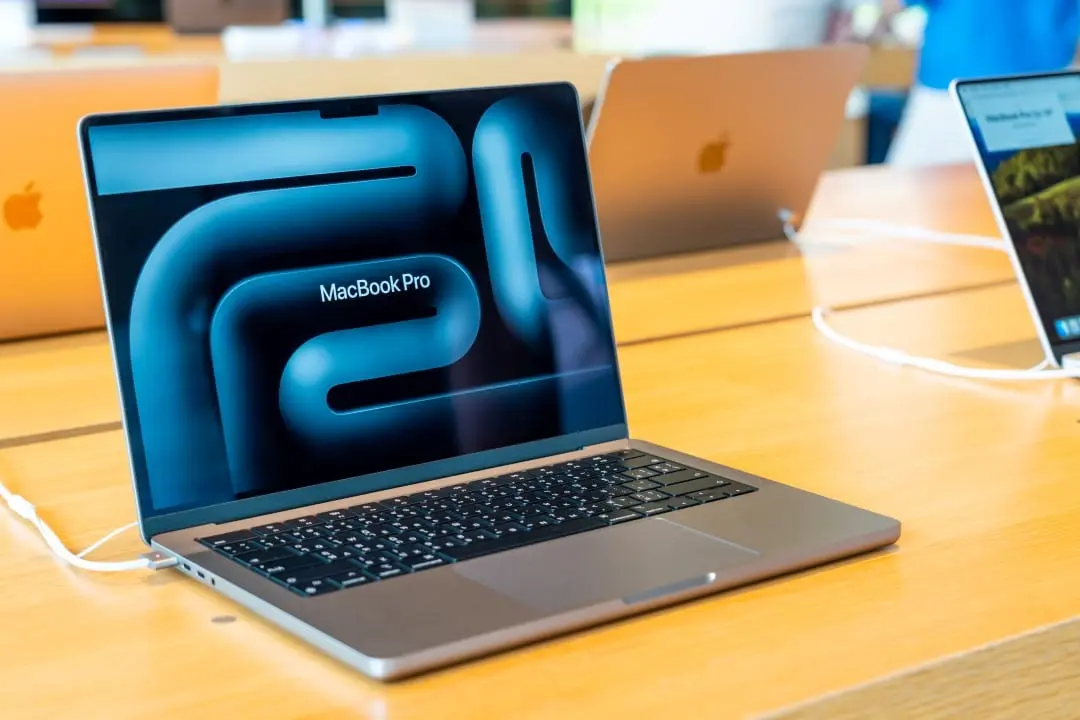
Secondary market buyers searching for used Apple laptops in 2026 must bypass legacy Intel machines to prioritize Apple Silicon hardware across retail channels. Devices powered by in-house processors maintain reliable computing performance across everyday workflows.
The financial relief gained from acquiring a pre-owned MacBook in 2026 must offset overall technical limitations after substantial price increases across solid-state storage drive configurations and random-access memory modules affected secondary consumer electronics markets worldwide. Hardware carrying M-series processors handles daily computing loads with ease while preserving compatibility with upcoming iterations of the macOS operating system. Apple officially included MacBook Air and MacBook Pro variants manufactured from 2020 onward in the compatibility profile for macOS 27.
The manufacturer initiated a migration toward internal silicon architectures in 2020 and halted sales of Intel-based notebooks during 2021 before barring legacy platforms entirely from macOS 27 Golden Gate. Pre-M-series portable systems currently rely on patch maintenance that delivers only residual security fixes for their existing configurations.
Base MacBook Air configurations running on the original M1 chip remain dependable options for video streaming and web navigation tasks. Refurbished electronics outlets distribute these initial Silicon models at competitive price thresholds. Budget-conscious shoppers locate stable performance within this hardware bracket.
Operating system lifespan determines hardware security over manufacturing date
Operating system update availability represents the core technical metric when evaluating pre-owned portable computers. Apple issued security patches for macOS Tahoe 26, Sequoia 15, and Sonoma 14 on August 26, yet macOS 27 Golden Gate represents the first generation strictly exclusive to Apple Silicon.
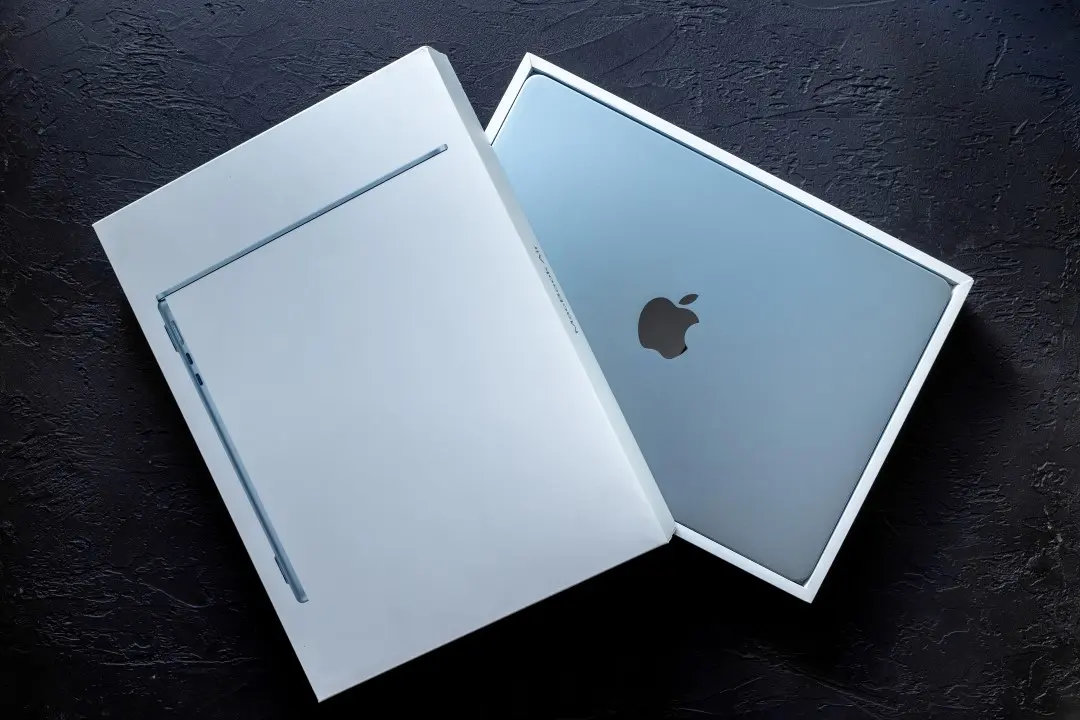
Running a laptop without current operating system upgrades increases vulnerability risks and disrupts third-party application support over extended periods. Independent users familiar with Linux installations bypass the T2 security coprocessor on Intel models built between 2018 and 2020 to maintain utility outside the macOS ecosystem. That technical alternative repurposes older hardware through open-source software solutions.
Consumers secure a six-year functional reliability window by choosing Apple Silicon laptops released since 2020. Physical inspections remain essential. Preliminary evaluations require verifying the hardware identifier, cross-referencing macOS support directories, and inspecting battery cycle counts. Buyers should inspect keyboards, displays, physical ports, webcams, Wi-Fi connectivity, and integrated speakers before finalizing transactions.
Certified refurbished inventory lowers acquisition expenses for standard and professional tasks
Prior generations frequently deliver a more favorable price-to-performance ratio than the cheapest options on secondary listing sites. An entry-level MacBook Air with Apple Silicon manages everyday digital demands for lower capital outlays, whereas a pre-owned MacBook Pro featuring M-series hardware handles demanding professional loads while saving buyers hundreds of dollars.
Purchases made directly through the Apple Certified Refurbished store provide an official one-year warranty alongside price reductions of up to 15 percent compared to brand-new units. Direct peer-to-peer exchanges lower transaction totals further, although private dealings introduce risks regarding latent component failures. In-person meetings allow buyers to confirm system serial numbers and run diagnostic checks prior to transferring funds.
Pre-owned computers with Intel processors now serve only temporary, limited tasks across the current computing landscape. These older machines provide diminished utility for modern daily workloads.