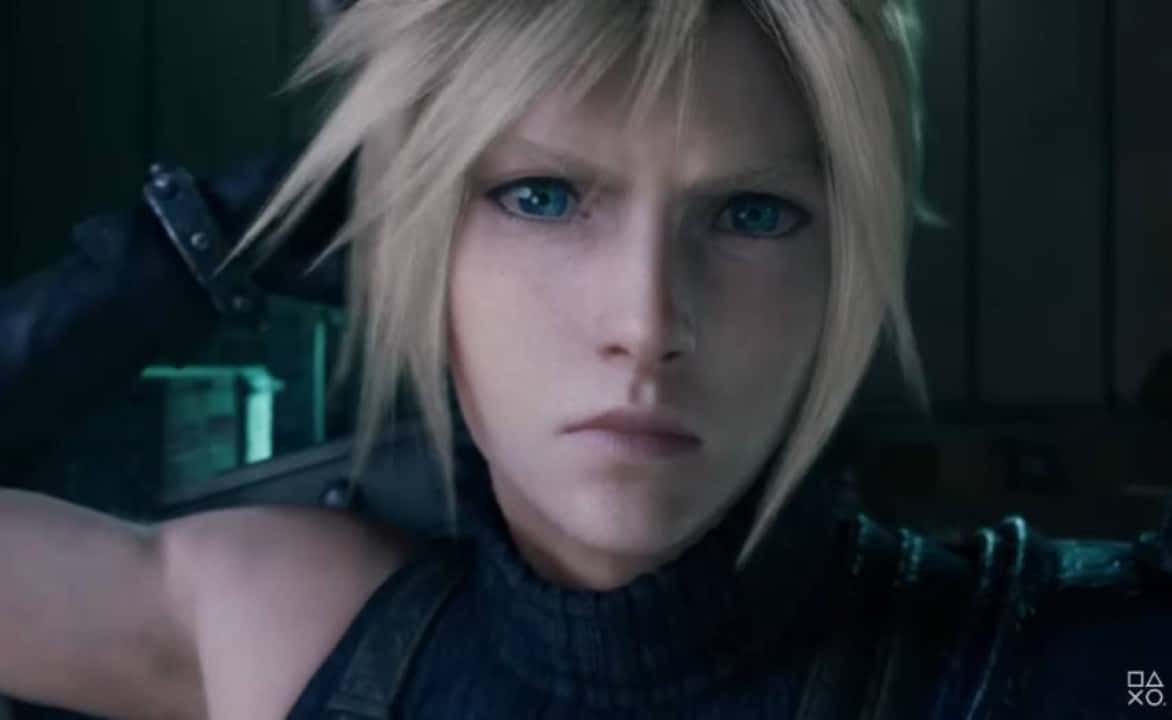
Square Enix confirmed the end of the temporary exclusivity of Final Fantasy VII Rebirth and announced the simultaneous launch of the third chapter of the series on PlayStation 5, Xbox Series X|S and computer. The decision marks a significant strategic shift in the company’s commercial approach to one of its most iconic franchises. With this change, the exclusivity model that was in place for the first two chapters will be discontinued, allowing a much wider audience to access the conclusion of the reimagined narrative.
The change reflects commercial and competitive pressures in today’s video game market. Nos In recent years, the industry has seen a trend toward reducing platform exclusives, especially for major releases that require substantial investment in development. Simultaneous availability on multiple consoles significantly expands the franchise’s revenue potential and global reach, a central objective of the producer’s revised strategy.

Impacto of the decision in the PlayStation ecosystem
The previous temporary exclusivity had generated considerable revenue for PlayStation, consolidating the platform as a mandatory destination for fans of the series. Agora, this competitive advantage disappears, potentially affecting sales of Sony consoles. Analistas from the financial sector point out that this reduced barrier could impact the platform’s active user base, especially considering that Final Fantasy VII represents one of the most anticipated titles in the exclusive catalog.
The decision also signals a reorientation in Square Enix’s business priorities. Enquanto the company recognizes the importance of strategic partnerships with hardware manufacturers, maximizing profits through broad distribution has become a priority. Esse’s move aligns with trends seen at other Japanese studios, which have gradually abandoned exclusivist models in favor of multiplatform strategies.
Estratégia Concurrent Release and Technical Compatibility
The technical implementation of simultaneous launch on three different platforms presents considerable challenges. Software engineers need to ensure that the gaming experience is consistent between PlayStation 5, Xbox Series X|S and computer, while maintaining stable visual quality and performance. Specific Versões have been optimized for each architecture, with special attention to differences in hardware and graphics processing capabilities.
- The PlayStation 5 version maintains the original optimizations developed for the platform.
- Xbox Series X|S received specific adaptations for compatibility with the Microsoft hardware.
- The desktop version has been tested on multiple hardware configurations to ensure accessibility.
- Todas versions include content parity and cross-play features where applicable.
Simultaneous development for multiple platforms required significant reorganization of production schedules. The development team at Tóquio worked in parallel cycles to ensure that no release compromised technical quality. Testes compatibility tests were conducted continuously, checking cinematic synchronization, texture loading and frame rate stability on each specific platform.
Contexto commercial and market repositioning
The digital video game industry has experienced profound transformations in recent years. The business model based on platform exclusivity, which dominated corporate strategy a decade ago, is giving way to approaches focused on maximizing reach. Tech Empresas like Microsoft recognize that participation in multiple ecosystems significantly expands the monetization potential of big-budget titles.
Square Enix’s decision also reflects pressure from the investor market. Analistas financiers have been pressuring game producers to demonstrate consistent revenue growth, which often implies expanding target audiences. The multiplatform launch of Final Fantasy VII represents a direct response to these expectations, prioritizing sales volume over platform exclusivity. Essa’s strategic reorientation positions the company to compete effectively in an increasingly fragmented and competitive marketplace.
Perspectivas for the future of the franchise
The success of the third chapter on multiple platforms will set precedents for future Square Enix projects. Caso’s simultaneous release generates higher revenue than previous exclusives, it is likely that the company will adopt this model for other large-scale franchises. The democratization of access to premium titles benefits consumers, while expanding the potential market for game producers.
The conclusion of Final Fantasy VII’s reimagined trilogy marks an inflection point not just for the series, but for the industry as a whole. The transition from an exclusive to a multiplatform model reflects profound structural changes in the digital entertainment market, where global reach and sales volume trump considerations of hardware exclusivity. Essa’s approach repositions the franchise as a truly universal intellectual property, accessible to any player regardless of their preferred platform.
