William and Kate Middleton assume pivotal roles as King Charles III faces health challenges


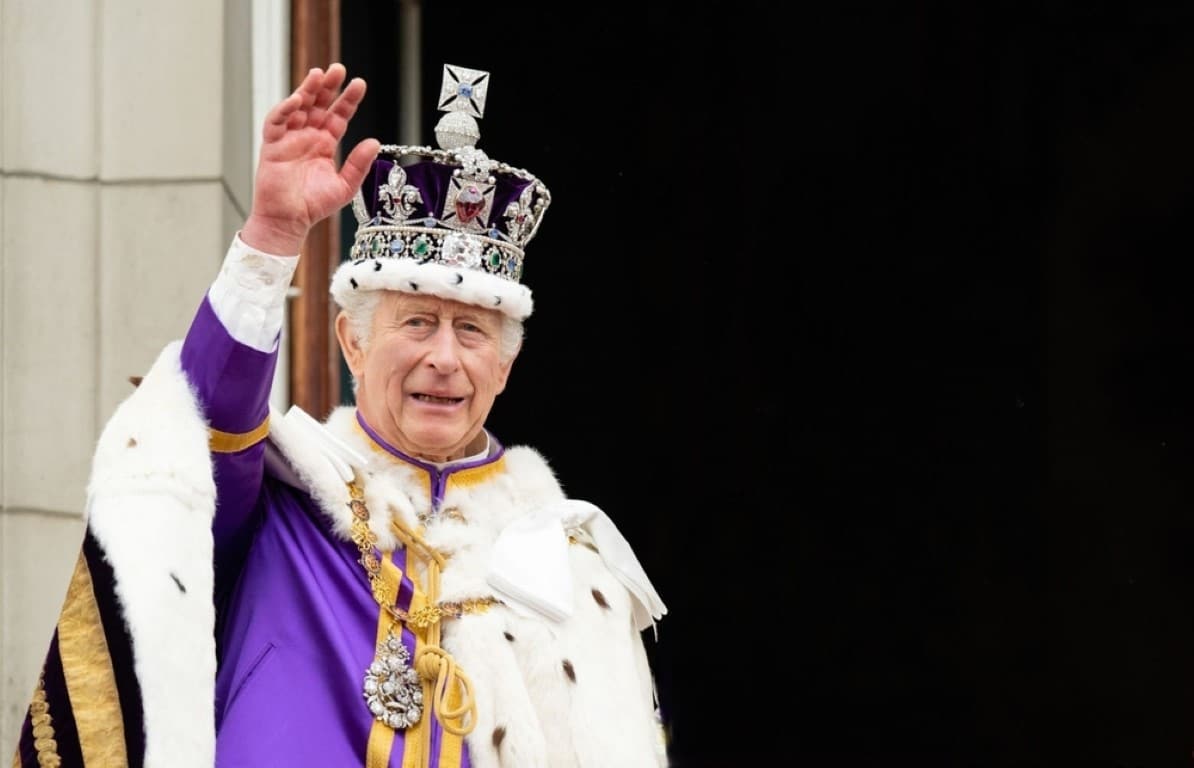
Prince William and Kate Middleton have significantly increased their royal duties, stepping up to take on key responsibilities as King Charles III manages his cancer diagnosis. This historic moment highlights a carefully planned transition within the British monarchy, showcasing the readiness of the royal couple to balance tradition with modernisation. While the King continues to perform his duties amidst health challenges, the monarchy is preparing for a future marked by continuity and progress.
William and Kate’s enhanced royal responsibilities
In recent months, William and Kate have visibly intensified their public engagements. From attending diplomatic events and visiting charitable organisations to meeting communities across the United Kingdom, the couple’s activities underscore their preparation for their future roles and their commitment to staying connected with the British people.
Kate Middleton, widely admired for her dedication to social causes, plays an integral role in this dynamic partnership. Her ability to blend royal traditions with modern approaches has further strengthened the monarchy’s image. Her work on initiatives focused on early childhood development and education reflects her commitment to addressing some of society’s pressing issues.
King Charles III’s health and the resilience of the monarchy
Despite undergoing treatment for cancer, King Charles III has shown remarkable determination in fulfilling his royal duties. Adjusting his schedule to prioritise his health while remaining engaged with his responsibilities exemplifies his unwavering dedication to his role.
Royal experts have noted that the transparent and strategic response to the King’s health challenges has reassured the public of the monarchy’s stability. This period also underscores the years of preparation William and Kate have undertaken to ensure a smooth transition when the time comes.
Key events showcasing William and Kate’s leadership
Recent visits by William and Kate to northern England have illustrated their growing leadership roles. These events included inaugurating local projects, meeting with community members, and strengthening ties with the cultural and social roots of the United Kingdom. Such activities demonstrate their readiness to ascend the throne with a grounded and empathetic approach.
Kate’s early years initiatives and William’s mental health programmes highlight their forward-looking vision. These efforts reflect a monarchy that is increasingly responsive to modern societal challenges, garnering significant public support.
Public response to Charles III’s health challenges
The announcement of King Charles III’s cancer diagnosis has elicited widespread sympathy and support from the British public, underscoring the nation’s respect for his dedication. At the same time, William and Kate’s steady presence during this period has reinforced confidence in the future of the monarchy.
Recent surveys indicate that over 70% of Britons trust William and Kate to lead the monarchy effectively. Their consistent and composed appearances at public events have strengthened public trust, ensuring that the institution remains stable amidst current challenges.
Tradition and innovation within the monarchy
The ongoing transition within the monarchy represents more than a simple succession; it reflects an evolving institution adapting to a rapidly changing world. William and Kate have adeptly balanced respect for royal traditions with the introduction of modern practices that resonate with contemporary values.
Reforms such as updated dress codes and more accessible public interactions have made the monarchy feel more inclusive. The couple’s strategic use of social media to share personal and professional milestones has also been well-received, particularly by younger audiences who value transparency and modernity in public figures.
Data supporting confidence in the transition
Reports indicate that William and Kate’s involvement in official engagements has significantly increased over the past five years. In 2023 alone, the couple participated in over 250 royal events, a number expected to rise as they continue to assume more responsibilities.
Their effective use of digital platforms to highlight their work has been widely praised. This modern communication approach appeals to a diverse audience, especially younger generations who appreciate openness and relatability in their leaders.
The global significance of the monarchy under William and Kate
The British monarchy, while steeped in national tradition, wields considerable influence on the global stage. William and Kate have played a crucial role in strengthening the UK’s international relationships and advancing its interests abroad.
Their commitment to pressing global issues such as climate change and social inclusion underscores their efforts to position the monarchy as a force for positive change. These endeavours have been recognised as successful attempts to modernise the institution while honouring its historical foundations.
Expectations for the future
As King Charles III continues his treatment and William and Kate’s visibility grows, the monarchy is poised for a seamless transition. The couple’s ability to balance tradition with modernity ensures the institution’s relevance in a contemporary context.
In the coming years, innovative initiatives under William and Kate’s leadership are expected to take centre stage. Issues such as sustainability, mental health, and social justice are likely to feature prominently, reflecting their progressive vision for the monarchy.
Fascinating facts about Kate Middleton’s role within the monarchy
Kate Middleton is celebrated for her ability to connect with the public. Her warmth and meticulous attention to detail during official events highlight her deep understanding of the expectations placed on the royal family in the 21st century.
Her dedication to causes such as children’s health and education has solidified her position as an influential figure both within the royal family and beyond. These efforts have cemented her reputation as a compassionate and accessible future queen.
William as the future king
From an early age, Prince William has been prepared for the role of monarch. His service in the Royal Air Force and extensive philanthropic work have equipped him with invaluable leadership skills.
Frequently lauded for his pragmatic nature and strategic thinking, William is seen as a leader well-equipped to navigate the complexities of the modern monarchy. His preparation ensures a smooth and effective transition when he takes the throne.
The monarchy’s international relevance under William and Kate
While deeply rooted in British traditions, the monarchy has a profound global influence. William and Kate’s diplomatic roles have not only strengthened the UK’s international relationships but also brought attention to critical global issues such as the climate crisis.
Their leadership style combines respect for history with a focus on addressing contemporary challenges, reinforcing the monarchy’s relevance in the 21st century.