Nintendo Switch 2: all the details about the anticipated successor to the hybrid console

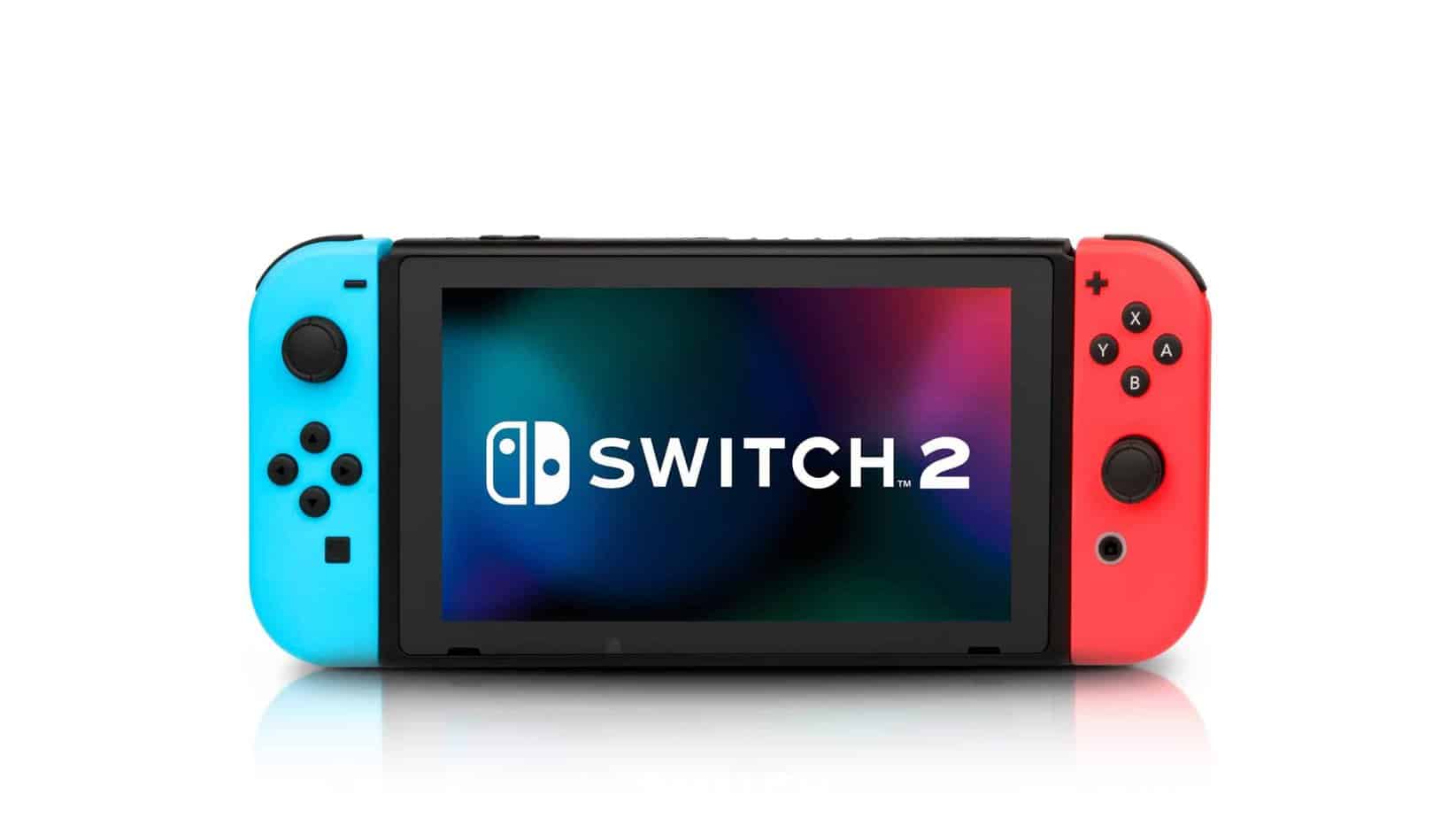
The video game industry is buzzing with the imminent announcement of the Nintendo Switch 2. Rumors have been circulating for months, and new information recently revealed points to a possible presentation event in January 2025. Nintendo, which revolutionized the market with the innovation of the hybrid console in 2017, seems ready to take another step forward, offering technical improvements, a refined design, and highly anticipated games.
Expectations surrounding the new console grew even further after leaks suggested a specific schedule for its reveal. Reliable sources indicate that the Switch 2 will be introduced to the public before March 31, 2025, aligning with the end of Nintendo’s current fiscal year. Details such as specifications, backward compatibility, and support for existing games have already begun to surface, increasing anticipation among fans and investors.
The promise of a smooth transition for current Nintendo Switch owners, thanks to backward compatibility, combined with the possibility of new exclusive games at launch, cements the Switch 2 as one of the most awaited products of the decade in the tech sector.
Technical specifications and performance improvements
Based on the leaks, the Nintendo Switch 2 promises to be a significant evolution of the original model, maintaining the hybrid format that made it famous. Highlighted improvements include:
- An 8-inch LCD screen, offering a larger and more immersive viewing experience.
- 4K resolution support using Nvidia’s DLSS technology, optimizing graphics for better performance.
- An enhanced processor with modern architecture, potentially rivaling consoles like the PlayStation 4 Pro and Xbox Series S.
- 256 GB internal storage in the UFS 3.1 standard, ensuring faster data read speeds.
- 12 GB DDR5 RAM, providing support for more technically demanding games.
- Redesigned Joy-Cons, now featuring Hall-effect technology, eliminating the drift issue.
These improvements reflect Nintendo’s commitment to balancing technical performance and accessibility while maintaining the hybrid console’s identity. Preliminary analyses suggest that the Switch 2 will cater to both casual and dedicated gamers, making it ideal for portable gaming and full TV experiences.
Nintendo’s history of innovation
Nintendo’s trajectory is marked by innovations that shaped the gaming industry. From the Nintendo Entertainment System (NES) in the 1980s to the revolutionary Wii in 2006, the company has built a reputation for pioneering advancements. The Nintendo Switch, launched in 2017, solidified this legacy by combining a home console and portable device in a single unit. This approach attracted diverse audiences and redefined how games can be experienced.
With the Switch 2, Nintendo seems poised to repeat this formula, but now aiming to capture even more market share dominated by ultra-realistic graphics and processing power. History suggests that the company knows how to leverage its fan base, introducing disruptive technologies without losing its essence.
Confirmed and anticipated launch games
One of the biggest attractions of the Nintendo Switch 2 will be its game library. Preliminary information indicates that “Metroid Prime 4,” which has been in development for years, will be one of the main launch titles. Furthermore, Nintendo has a history of heavily investing in its flagship franchises to introduce new consoles.
Other expected titles include:
- A new “Mario Kart” edition that could redefine the racing genre with unprecedented features.
- A brand-new “The Legend of Zelda” adventure, continuing the success of “Breath of the Wild” and “Tears of the Kingdom.”
- Pokémon expansions that take advantage of the console’s graphic power.
- Optimized re-releases of Switch classics like “Super Smash Bros. Ultimate.”
This strategy not only boosts initial sales but also reinforces the console’s longevity, keeping the community engaged for years.
Economic impacts and market expectations
Nintendo is renowned for its significant economic impact with each console launch. The original Nintendo Switch sold over 125 million units worldwide by 2024, becoming one of the best-selling consoles in history. Market analysts believe that the Switch 2 could surpass these numbers, especially considering the global rise in interest in interactive entertainment.
Economically, the introduction of the Switch 2 could influence:
- A rise in Nintendo’s stock prices, which historically increase after major announcements.
- New partnerships with independent and AAA game studios, expanding the console’s catalog.
- Growth in the accessories market, such as cases and custom controllers for the Switch 2.
Additionally, consumers expect competitive pricing for both the console and the games, maintaining the accessibility that was key to the original Switch’s success.
Backward compatibility and game preservation
One of the major concerns of players was whether Nintendo would preserve compatibility with games from the original Switch. The confirmation of backward compatibility was met with enthusiasm, as it ensures players won’t lose access to the titles accumulated over recent years.
This decision also reflects a growing trend in the console market, where ecosystem continuity is highly valued. The Nintendo Switch Online service, offering NES, SNES, and other classic console games, will also be integrated into the Switch 2, enhancing the appeal of the new system.
Development curiosities and rumors
The development of the Nintendo Switch 2 was shrouded in secrecy, but some curious details have emerged:
- The updated Joy-Cons with Hall-effect technology were the result of collaboration with engineers specializing in magnetic sensors, addressing one of the original model’s biggest criticisms.
- The choice of an LCD screen instead of OLED aims to balance cost and performance, keeping the final price accessible for consumers.
- During internal testing, the console was able to run demanding games like “The Witcher 3” in higher quality than the original Switch version.
These details highlight Nintendo’s dedication to listening to the community and refining its products.
Announcement and launch timeline
The expectation is that the Nintendo Switch 2 will be officially revealed in January 2025, with a larger event planned for May and sales beginning in June of the same year. This timeline allows Nintendo to maximize its presence at E3 2025, where new details and playable demos are expected to be showcased.
The timeline also suggests that the company intends to avoid conflicts with competitor launches, strategically positioning itself to capture the market during the northern hemisphere’s summer.
Community expectations and social media interaction
On social media, the hashtag #Switch2 has garnered millions of mentions since the first leaks. Communities on Reddit, Twitter, and Instagram are intensely debating specifications and potential games.
Fan posts frequently include wish lists such as:
- Improvements in the online matchmaking system.
- Exclusive games that utilize the console’s graphical potential.
- Native support for streaming services.
Fan interactions reflect the strong bond between Nintendo and its player base, eagerly awaiting updates.
Testimonials from players and developers
Independent developers and major studios have expressed excitement about the potential of the Switch 2. A renowned game designer remarked: “Nintendo has always prioritized the player experience. With the leaked specifications, we have a console that balances technical innovation and creativity.”
Players have also shared personal stories about the impact of the original Switch, further increasing expectations for a worthy successor.
Global reach and relevance
The Nintendo Switch 2 has the potential to be a global phenomenon, capturing new markets while retaining a loyal fan base. Its promise of technical innovation and continuity in the gaming experience positions the console as a game-changer in the interactive entertainment industry.