William and Kate prepare for the throne: challenges faced by King Charles III and the royal transition

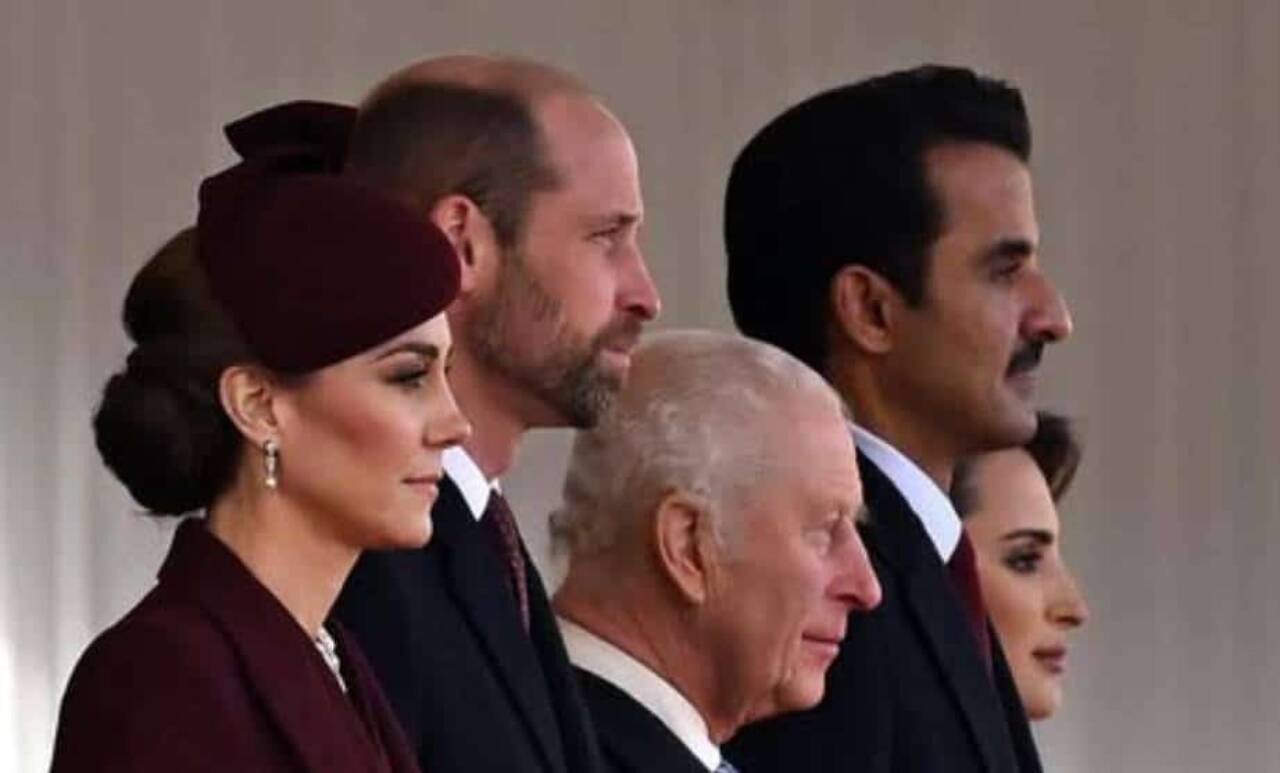
As the British monarchy faces one of the most crucial moments in its history, Prince William and Kate Middleton have stepped into increasingly significant roles. Amid King Charles III’s health challenges, the royal couple’s growing responsibilities underscore the importance of a smooth and planned transition of power. With the recent announcement that King Charles III has been diagnosed with cancer, the royal family is preparing for a shift in duties that may pave the way for the future leadership of the Crown. In a time when monarchy traditions must adapt to modern needs, Prince William and Kate have become vital players in ensuring the continued stability of the British monarchy.
King Charles III, despite his health challenges, has remained resolute in his commitment to his royal duties. However, reports indicate that he has gradually reduced his public appearances, allowing his son and daughter-in-law to take on a larger share of royal engagements. This shift in responsibilities has been planned for years, with William, as the heir apparent, stepping forward to represent the Crown. Kate, who has proven herself as a skilled and compassionate figure, plays a crucial role by supporting her husband while also championing causes that resonate with the public. This is a pivotal moment for the monarchy, and the couple’s actions speak volumes about their readiness for future leadership.
As the monarchy prepares for this generational transition, it’s essential to examine the roles that William and Kate will play in shaping the future of the Crown. Both have undertaken numerous charitable and diplomatic endeavors, gaining experience and visibility. Their growing presence signals a readiness to step into positions of greater authority, all while maintaining the values that have sustained the monarchy for centuries.
The impact of King Charles III’s health and the royal transition
The diagnosis of cancer in King Charles III has left the monarchy in a delicate situation. While the monarch has faced personal health setbacks over the years, this diagnosis marks a significant challenge for the 75-year-old king. Despite the news, Buckingham Palace has been transparent about his health condition, and the British public has expressed support. The King’s decision to reduce his public appearances while undergoing treatment allows for the seamless continuation of the royal duties.
The royal family’s planning for this eventual shift in power has been ongoing. Since William was a child, he has been prepared for his future role as king. The public’s trust in him and his wife, Kate, has been steadily growing. In fact, a recent poll revealed that more than 70% of Britons express confidence in the couple’s ability to take on the responsibilities of leading the monarchy. This figure highlights the positive public reception of William and Kate as future leaders, a vital component as they prepare to ascend to the throne.
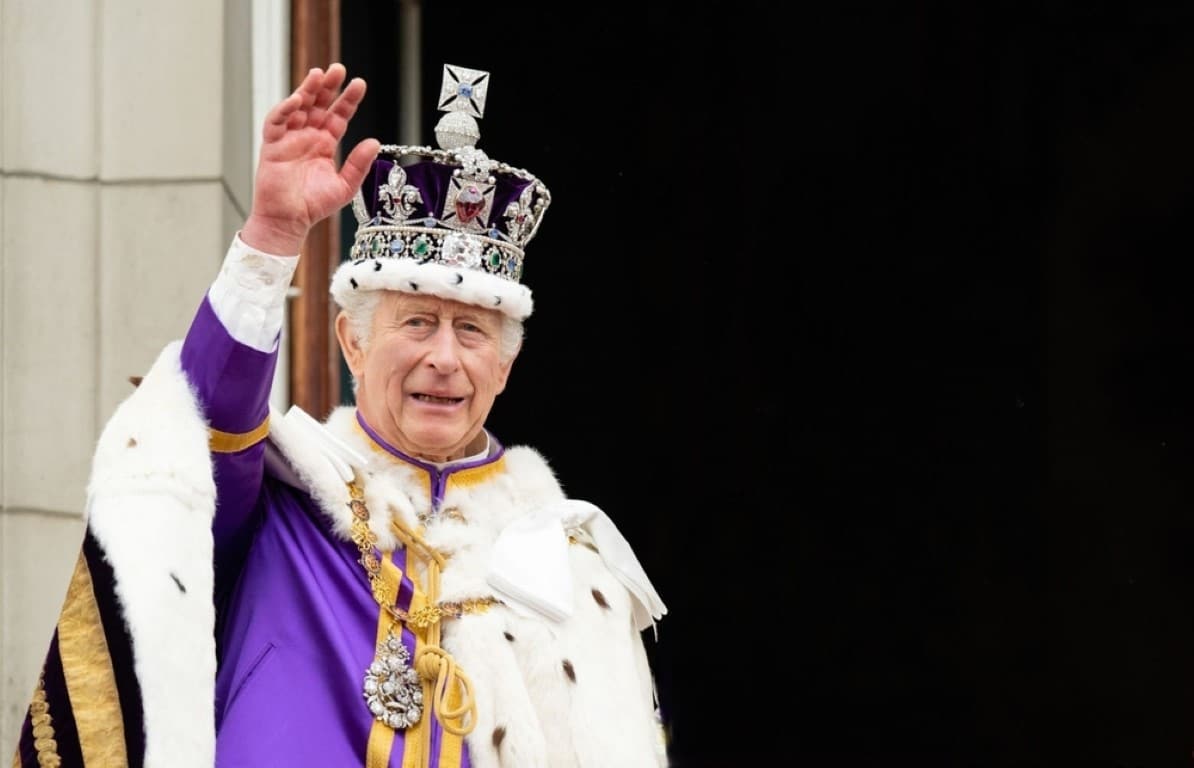
Prince William’s growing role and the transition of power
For many years, Prince William has been groomed for his eventual role as monarch. He has held a variety of official roles, including military service and philanthropic work, that have allowed him to develop crucial leadership skills. With his mother, Princess Diana, having passed away when he was still a teenager, William has faced a difficult journey into the public eye. However, he has grown into a figure capable of navigating the pressures of the monarchy, providing the stability and direction needed for future generations.
His experience in the Royal Air Force and in public service has allowed him to form a comprehensive understanding of the challenges the Crown faces. Not only does he understand the traditional duties that come with his role, but he also seeks to make the monarchy relevant to the modern era. His commitment to sustainability and mental health advocacy has proven that the monarchy is evolving with the times.
Kate Middleton’s influence: balancing tradition and modernity
Alongside William, Kate Middleton has emerged as a prominent and influential figure within the royal family. Kate’s role goes beyond that of a consort; she has cultivated her own platform of charity work and social advocacy. Known for her calm and diplomatic demeanor, Kate has solidified her position as the future queen consort. She champions causes such as early childhood development and mental health, reflecting her belief in creating a more inclusive and socially responsible monarchy.
As part of the royal transition, Kate has gained considerable public support, not only for her charity work but also for her ability to connect with the British public. Her strategic use of social media, where she shares insights into her royal duties and family life, has helped humanize the royal family, making it more accessible, especially to younger generations. Her popularity has grown, and many see her as the modern face of the monarchy, one that is capable of blending tradition with a contemporary outlook.
Royal duties and public engagements: the rise of William and Kate
Prince William and Kate have recently stepped up their public appearances and royal duties. They have participated in diplomatic events, met with community leaders, and supported various charitable institutions. These engagements reflect their deepening commitment to the responsibilities that will come with the throne. In particular, William has focused much of his efforts on mental health, while Kate has worked tirelessly on improving early childhood development initiatives. Their presence at these events not only showcases their readiness to take on future roles, but it also demonstrates their understanding of the changing expectations of the British monarchy.
As part of their increasing royal duties, William and Kate have visited regions within the United Kingdom, reaffirming the monarchy’s connection to the people. One such visit was to Northern England, where they took part in community engagements and ceremonies that symbolized their commitment to the values of unity and solidarity that the British monarchy stands for. These visits reinforce the royal family’s connection to the everyday lives of citizens.
Public response to King Charles’s health challenges and the monarchy’s future
The British public has responded positively to the changes brought about by King Charles’s health challenges. While the monarch’s diagnosis was undoubtedly a surprise, the transition in royal duties has been handled with transparency and thoughtfulness. Royal experts believe that this planned transition reflects a long-term strategy that ensures the monarchy remains a pillar of stability.
With a sense of shared commitment, William and Kate’s approach to their royal duties has reinforced the belief that the monarchy will continue to thrive in the hands of the younger generation. Their actions during this sensitive time have demonstrated the couple’s ability to lead with empathy and strength, and surveys show that public trust in their leadership is high. Their evolving role in the royal family highlights the resilience of the monarchy, even during times of personal and public challenge.
The modern monarchy: blending tradition with innovation
The monarchy in the United Kingdom is often seen as an institution rooted in tradition, but Prince William and Kate have worked to ensure that the Crown remains relevant in today’s world. As part of their evolving roles, they have embraced the idea of modernizing the monarchy, making it more inclusive and transparent. They have advocated for policies that reflect the concerns of the modern world, from sustainability to mental health, and have shown a clear interest in advancing causes that align with contemporary societal issues.
In this context, the monarchy has not only served its ceremonial purpose but has also actively engaged with pressing global challenges. William and Kate’s efforts to address climate change, social inequality, and mental health have demonstrated that the royal family can be a force for positive change on both a national and international scale.
Data supporting confidence in William and Kate’s future reign
Recent reports indicate that the number of public engagements attended by Prince William and Kate has significantly increased over the past several years. In 2023 alone, they attended over 250 official royal events, a number that is expected to grow as they take on more responsibilities within the royal family. Their engagement with the public through social media, public events, and charity work has been well received, particularly by younger generations who view their approach as modern and transparent.
Experts agree that William and Kate’s reign will likely bring a fresh perspective to the monarchy, blending tradition with the demands of a rapidly changing world. The couple’s focus on issues such as climate change, mental health, and sustainability suggests that their leadership will resonate with the global community and keep the monarchy relevant in an increasingly interconnected world.
The monarchy’s future with William and Kate at the helm
As Charles III faces his health challenges and William and Kate assume a greater role in royal duties, the future of the British monarchy appears secure. The couple’s ability to balance tradition and modernity ensures that the monarchy will continue to play a significant role in British society and on the global stage. William’s pragmatic approach to leadership, combined with Kate’s empathetic and diplomatic skills, provides a solid foundation for the monarchy’s future.
With their commitment to social causes and their ability to connect with people of all backgrounds, William and Kate are poised to lead the monarchy into a new era. Their reign will likely reflect a balance of continuity and innovation, ensuring that the Crown remains an important and influential institution for years to come.