How Tesla and BYD batteries expose distinct strategies in the electric market

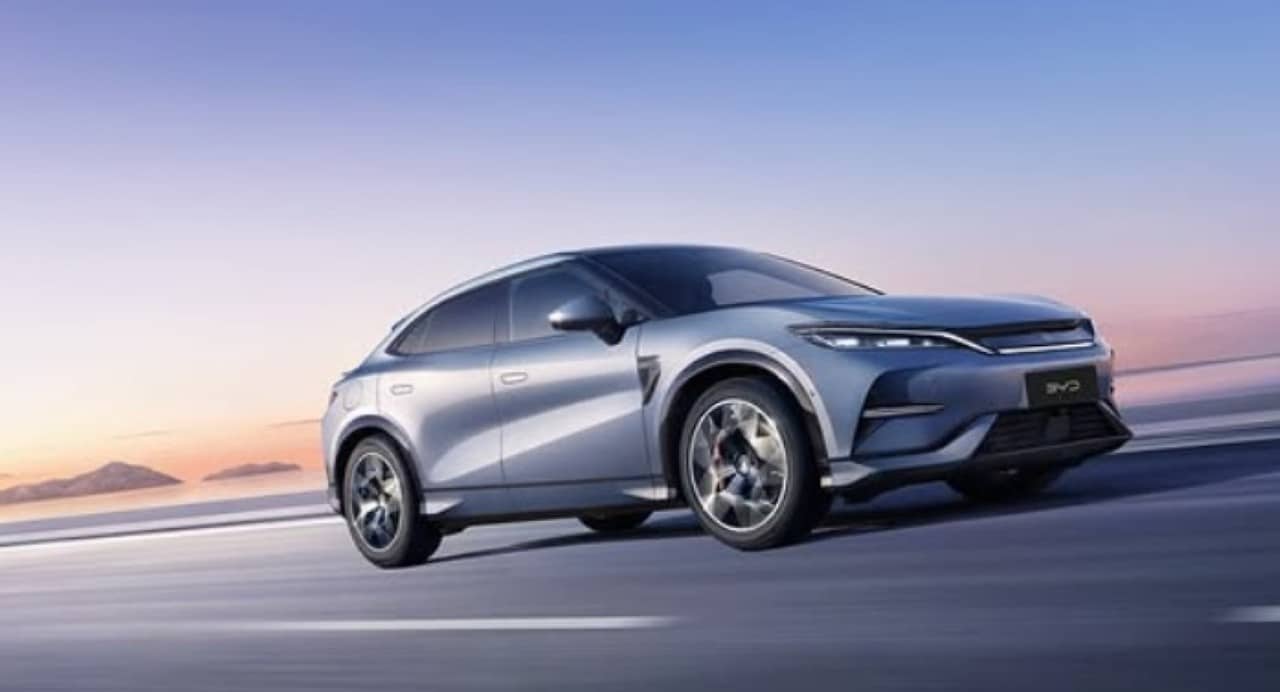
The evolution of electric vehicles has reached a new milestone with the detailed analysis of batteries from Tesla and BYD, two titans dominating the industry. Researchers from the University of Aix-la-Chapelle in Germany disassembled Tesla’s 4680 cells and BYD’s Blade Cells, uncovering striking differences in design, performance, and production philosophy. While Tesla pushes for high energy density to maximize range, BYD focuses on thermal efficiency, safety, and cost reduction—strategies that mirror each company’s unique goals in the fiercely competitive global market. The findings, published in Cell Reports Physical Science, offer fresh data that could shape the future of automotive batteries.
At the heart of this analysis lies the chemical composition of the batteries. Tesla employs NMC811 (nickel, manganese, cobalt), achieving 241 Wh/kg, whereas BYD opts for LFP (lithium-iron-phosphate), clocking in at 160 Wh/kg. Despite the gap in energy density, these choices highlight clear priorities: raw performance versus durability and affordability.
Construction methods further reveal opposing technical approaches. Tesla adopts a cylindrical “jelly roll” format for its 4680 cells, while BYD uses a Z-stacking technique in its Blade Cells, directly impacting efficiency and safety.
O que há dentro das baterias da Tesla e da BYD? pic.twitter.com/Fky13VBSTM
— Olhar Digital (@olhardigital) March 8, 2025
Under the hood: what scientists discovered
When German researchers cracked open the batteries, they found surprising similarities alongside glaring contrasts. Both companies steer clear of silicon in their anodes—a material often used to boost energy density—and rely on laser welding to connect electrode sheets, ensuring flexibility and scalability in production. However, their strategies diverge sharply in key areas. Tesla uses a binder to solidify active electrode materials, while BYD compresses the separator edges between electrodes, creating a thermally stable battery at the expense of energy efficiency due to a longer electrical path.
Energy density stands out as a critical metric. Tesla’s 4680 cell, sourced from a 2022 Model Y, achieves 643.3 Wh/l—nearly double the 355.26 Wh/l of BYD’s Blade Cell, obtained from a Chinese supplier. This explains Tesla’s edge in range but comes with a trade-off: the American cell generates twice as much heat per volume during fast charging, necessitating advanced cooling systems. BYD’s LFP chemistry, by contrast, prioritizes simpler thermal management, cutting costs and boosting safety, even if it sacrifices acceleration and range.
Cost per kWh adds another layer to the story. BYD’s battery rings in at 25 euros/kWh compared to Tesla’s 36 euros/kWh, a gap driven by cheaper materials like the absence of cobalt and nickel in the Chinese design. These figures underscore BYD’s ability to deliver affordable vehicles, while Tesla targets buyers who prioritize premium performance.
Layered philosophies: Tesla chases power, BYD targets cost
Tesla’s approach reflects its status as a pioneer in the luxury electric market. With the 4680 cells, rolled out widely in the Model Y, the American company aims to pack maximum energy into a compact space, ideal for long drives and impressive acceleration. The “jelly roll” structure enables a direct electrical flow, enhancing performance, but it also raises temperatures during fast charging—a challenge that demands sophisticated cooling solutions. Tests show Tesla’s cells can handle high charge and discharge rates, though this comes with greater production complexity and thermal management needs.
BYD, meanwhile, takes a pragmatic stance, aligning with its rise as the global leader in electric vehicle sales. The Z-stacking in its Blade Cells boosts durability and thermal resistance, making them less prone to overheating or fires. While this lowers energy density, the LFP chemistry ensures a longer lifespan, retaining over 80% capacity after 3,000 charge cycles—equivalent to more than 1 million kilometers under ideal conditions.
Numbers that speak: comparing performance and efficiency
Technical data paints a clear picture of each company’s priorities. Tesla hits 241 Wh/kg and 643.3 Wh/l, supporting longer ranges like the 455 km of the Model Y Propulsion made in Shanghai. BYD, with 160 Wh/kg and 355.26 Wh/l, emphasizes volumetric efficiency and cost, powering competitive models like the Atto 3. In charging tests, BYD’s Blade Cell reaches 80% in about 37 minutes, while a Berlin-made Model Y with a BYD battery charges from 10% to 80% in just 20 minutes, highlighting integration differences across models.
Thermal management further sets them apart. During a 70 kW charge on a 70 kWh battery, Tesla’s cells heat up twice as much as BYD’s, affecting longevity and safety. This contrast reflects strategic trade-offs: Tesla embraces extra heat for performance, while BYD minimizes risks and operating costs.
Diverging production paths: innovation meets scale
On the assembly line, the differences deepen. Tesla invests in vertical integration, producing its 4680 cells in gigafactories like those in Austin, Texas, and Berlin, Germany. This control enables rapid tweaks but raises upfront costs. BYD leverages its roots as a battery maker—predating its automotive ventures—to streamline mass production. Its Blade Cells, made by subsidiary FinDreams, are designed for affordability and scalability, serving both its own vehicles and partners like Tesla, which uses BYD batteries in some European Model Ys.
The innovation timeline underscores this duality:
- 2003: BYD begins as a battery manufacturer, mastering lithium tech before entering the auto sector.
- 2008: Warren Buffett invests in BYD, fueling its growth.
- 2010: Tesla launches the Roadster, pioneering large-scale lithium-ion battery use.
- 2022: BYD overtakes Tesla in global electric sales and starts supplying Blade Cells for Berlin-made Model Ys.
- 2023: Tesla ramps up 4680 cell production, while BYD unveils its 1000V platform, promising 300 km of range in 5 minutes.
This timeline traces BYD’s journey from supplier to direct rival, while Tesla doubles down on cutting-edge tech.
Market impacts: who benefits from these differences?
In the marketplace, these strategies target distinct audiences. Tesla leads the premium segment with vehicles like the Model S and Cybertruck, which demand high power and range. Its 614,679 vehicles sold in the first two months of 2025 mark a 90% jump from the prior year, but BYD holds the edge in volume with affordable pricing. Models like the Han, boasting up to 662 km of urban range, rival Tesla, while the Atto 3 appeals to cost-conscious buyers.
For consumers, the differences translate into practical outcomes:
- Range: Tesla delivers longer distances, perfect for road trips.
- Cost: BYD lowers the price tag, attracting emerging markets.
- Safety: BYD’s LFP chemistry resists fires, a plus in strict regulatory zones.
- Fast charging: BYD’s 1000V platform aims to outpace Tesla’s Superchargers in speed.
These factors shape user experiences and global competition.
Beyond the cells: what lies ahead
Looking forward, innovation presses on. BYD plans to launch the Han L and Tang L in 2025 with its 1000V platform, supporting up to 600 kW charging and poised to slash recharge times. Tesla, meanwhile, advances structural battery integration with the 4680 cells, using them as part of the chassis to cut weight and boost efficiency. Both companies eye solid-state batteries, though widespread adoption remains years away.
On sustainability, BYD scores points by avoiding cobalt and nickel, materials tied to controversial supply chains. Tesla, reliant on these metals, invests in recycling and partnerships to lessen environmental impact.
The rivalry between these giants mirrors a broader technological race. With Tesla prioritizing performance and BYD affordability, the electric market diversifies, catering to varied consumer needs.