Pope Francis leaves legacy of humility: Vatican organizes reformed funeral with new rites

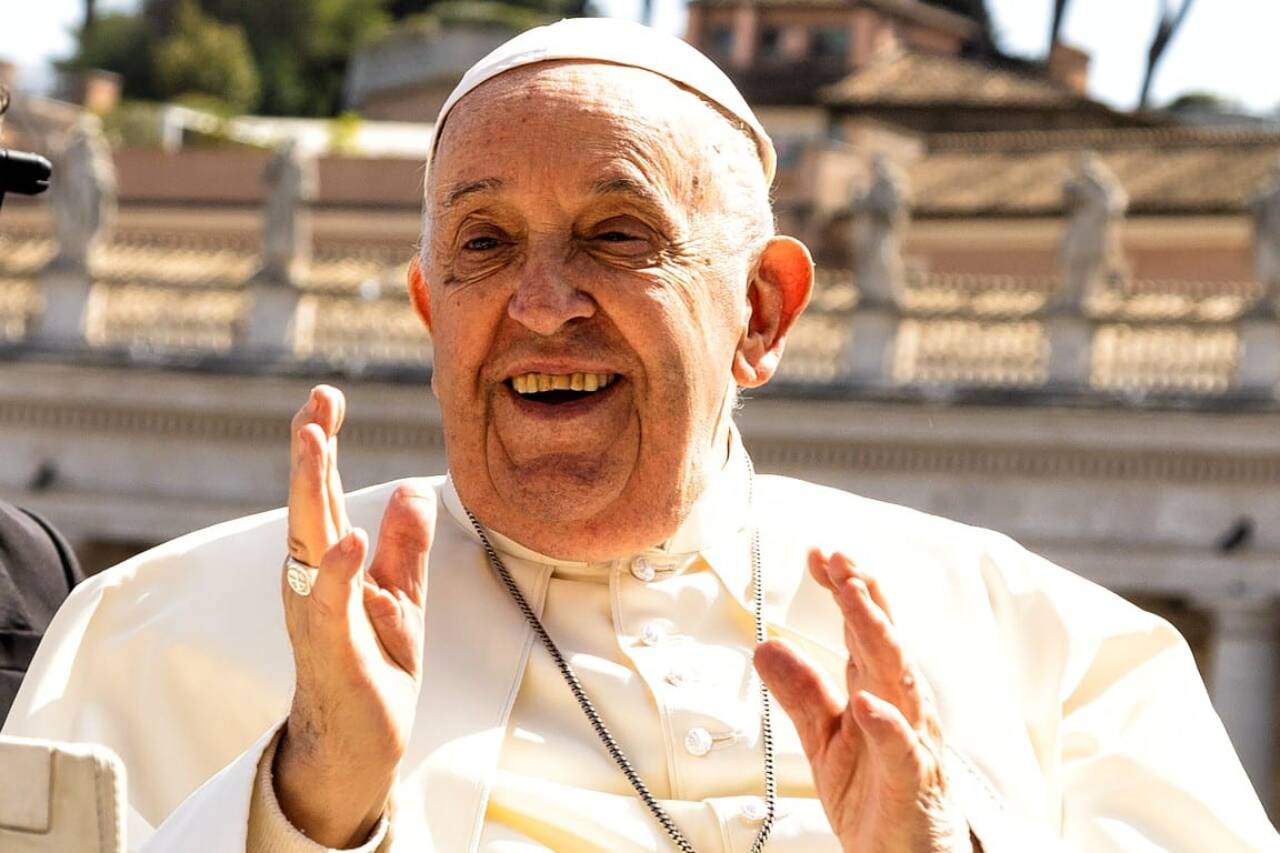
The death of Pope Francis on April 21, 2025, marked the beginning of a funeral process that reflects his vision of humility and closeness to the faithful. Leader of the Catholic Church since 2013, Francis passed away at 88 due to a stroke, as announced by the Vatican. Unlike his predecessors, the Argentine pontiff left clear instructions for a simplified funeral, breaking with centuries-old traditions and emphasizing his role as a pastor rather than a figure of worldly power. The changes, planned in 2024 with Archbishop Diego Ravelli, master of liturgical ceremonies, revised the papal rite book, a document that had not seen significant updates since 2000. The world now watches as preparations unfold for a ceremony poised to make history.
Born Jorge Mario Bergoglio, Francis was the first Jesuit and Latin American pope, renowned for his progressive approach and focus on simplicity. Throughout his papacy, he championed issues like social justice, environmental care, and interfaith dialogue. His decision to reform funeral rites mirrors these values, aiming to reduce the pomp typical of papal ceremonies. The Vatican has already begun organizing events leading to the Conclave, including the body’s exposition in St. Peter’s Basilica and the official mourning period, known as the Novendial.
The global impact of the pontiff’s death was immediate. World leaders, including Brazilian President Luiz Inácio Lula da Silva, announced plans to travel to Rome to pay their respects. Meanwhile, faithful from across the globe gather in St. Peter’s Square, where emotions blend with curiosity about the reformed funeral.
Changes in funeral rites
The alterations introduced by Francis to the papal funeral rite are a milestone in Church history. The pontiff wanted his farewell to reflect the essence of a disciple of Christ, avoiding ostentation. The rite book, revised in 2024, now emphasizes simplicity at every stage, from body preparation to burial.
- Body preparation: After the death is confirmed, the body will be cleansed and dressed in simple liturgical vestments, including the mitre, pallium, and the fisherman’s ring, which will be destroyed post-funeral.
- Exposition in the Basilica: The body will be displayed for several days in St. Peter’s Basilica, allowing the faithful to pay their final respects.
- Main ceremony: The funeral, presided over by the Dean of the College of Cardinals, will take place in St. Peter’s Square, attended by global leaders and faithful.
- Burial: Francis chose to be buried in Santa Maria Maggiore, breaking with the tradition of the Vatican Grottoes.
These changes contrast with previous papal funerals, which often featured elaborate rituals and triple coffins of wood, lead, and zinc. The choice of a simpler rite reinforces Francis’ message of humility as a core Church value.
Context of the death and immediate reactions
The news of Francis’ passing caught many by surprise, though his health had been a concern in recent years. The stroke that caused his death was sudden, and the Vatican promptly communicated the event. The Camerlengo, responsible for administering the Church during the Sede Vacante, performed the traditional ritual of calling the pope by his baptismal name three times to confirm the death. The Cardinal Vicar of Rome then informed the public, initiating the mourning period.
In Rome, St. Peter’s Basilica was temporarily closed, surprising tourists and pilgrims. A Brazilian visiting at the time recounted how the atmosphere shifted quickly, with security guiding visitors out. On social media, messages of condolence flooded platforms, with hashtags like #PopeFrancis and #Vatican trending globally.
Religious leaders from other faiths also expressed condolences. Representatives of the Orthodox Church, Islam, and Judaism highlighted Francis’ role in interfaith dialogue, recalling initiatives like his 2019 visit to Abu Dhabi, where he signed a historic document on human fraternity.
Novendial: Nine days of mourning
The official mourning period, known as the Novendial, began immediately after Francis’ death. Over these nine days, daily Masses are held for the repose of his soul, attended by bishops, cardinals, and faithful. The ceremonies take place in various Roman churches, with St. Peter’s Basilica as a focal point, drawing large crowds of pilgrims.
The Novendial is an ancient tradition, but Francis requested that the Masses be marked by simplicity, with homilies centered on the Gospel message. In São Paulo, Archbishop Odilo Scherer announced a special Mass in honor of the pope, inviting Brazil’s Catholic community to participate. Churches worldwide are holding similar services, underscoring Francis’ global influence.
Funeral preparations
The funeral ceremony, set to occur in St. Peter’s Square, will be a major event despite Francis’ reforms. The Dean of the College of Cardinals, currently Cardinal Giovanni Battista Re, will preside over the Mass, attended by heads of state, diplomats, and religious leaders. St. Peter’s Square, capable of holding tens of thousands, is being readied to accommodate the faithful.
Francis’ coffin will be simple, made of wood, without the traditional lead or zinc layers. After the Mass, a procession will carry the body to Santa Maria Maggiore Basilica, a personal choice reflecting his devotion to the Virgin Mary. The burial, reserved for cardinals and close Church members, will conclude with prayers and the sprinkling of holy water.
Global impact of Francis’ legacy
Francis’ papacy was marked by historic moments. His 2015 encyclical Laudato Si’, on environmental care, sparked global discussions on sustainability. He also pursued reforms in the Roman Curia, facing internal resistance, and opened debates on issues like women’s roles in the Church and the inclusion of divorced Catholics.
His choice of a simplified funeral aligns with his lifelong rejection of luxury. From the outset, Francis eschewed symbols like the traditional red papal shoes and chose to live in the Casa Santa Marta rather than the Apostolic Palace. His death reignites discussions about the Church’s future, especially amid global polarization.
Details of the simplified rite
Francis’ funeral reforms include specific changes to make the process more accessible to the faithful. He eliminated outdated rituals, such as triple coffins, and shortened some ceremonies. The goal was to ensure the funeral remained a moment of prayer and reflection, not a display of power.
- Destruction of the fisherman’s ring: After the funeral, the ring, a symbol of the papacy, will be broken by the Camerlengo, marking the end of the pontificate.
- Procession to Santa Maria Maggiore: The route from Rome to the basilica will be accompanied by faithful, fostering a moment of public communion.
- Simplified Mass: The ceremony in St. Peter’s Square will have fewer formal elements, prioritizing spiritual messaging.
These changes have been welcomed by progressive Church sectors but criticized by conservatives advocating for tradition. Nonetheless, the Vatican remains committed to implementing the reforms.
Conclave and succession
While the funeral is the immediate focus, the Church is preparing for the Conclave to elect the next pope. The process will begin after the Novendial, with cardinals gathering in the Sistine Chapel. The choice of Francis’ successor will be shaped by his legacy, particularly his emphasis on inclusion and social justice.
Cardinals like the Filipino Luis Antonio Tagle, the Italian Matteo Zuppi, and the Hungarian Péter Erdő are among the speculated candidates, though discussions remain confidential. The Conclave is a time of introspection for the Church, and the new pope’s election will shape Catholicism’s path for decades.
Timeline of funeral events
The funeral rites follow a structured timeline, with approximate dates based on Church traditions:
- Day 1 (April 21, 2025): Death confirmation, Novendial begins, and St. Peter’s Basilica temporarily closes.
- Days 2–4: Body exposition in the Basilica for public farewells.
- Day 5 or 6: Funeral Mass in St. Peter’s Square, followed by the procession to Santa Maria Maggiore.
- Day 9: Novendial concludes with a final Mass.
- Post-Day 9: Conclave preparations begin.
This timeline may adjust based on the College of Cardinals’ decisions and logistical conditions in Rome.
Repercussions in Brazil
In Brazil, where Catholics make up roughly 50% of the population according to IBGE, Francis’ death had a profound impact. Parishes organized vigils and Masses in his memory, while political leaders expressed condolences. President Lula, who met Francis in 2020, praised his advocacy for the poor and the environment.
The CNBB (National Conference of Brazilian Bishops) issued a statement mourning the loss and calling for prayers. In cities like Aparecida, pilgrims flocked to the National Shrine in spontaneous tributes.
Francis’ spiritual legacy
Francis’ spirituality was deeply rooted in the Jesuit order. His devotion to the Virgin Mary, expressed through frequent visits to Santa Maria Maggiore, influenced decisions like his burial site. He was also known for gestures of closeness, such as washing prisoners’ feet during Holy Week.
These acts resonate with the faithful, who see Francis as a model of humble leadership. His death does not end his impact, which will continue to shape debates about the Church’s role in the 21st century.
Logistical preparations in Rome
Rome is gearing up to host millions during the funeral. Hotels in the city center are fully booked, and authorities have bolstered security around the Vatican. Italian police estimate that about 2 million people, including pilgrims and tourists, will visit in the coming days.
Public transportation has been expanded, with special bus and metro lines operating 24/7. Airports like Fiumicino and Ciampino have increased capacity to handle international flights, particularly from Catholic-stronghold nations like Brazil, Mexico, and the Philippines.
Curiosities about papal funerals
Papal funeral rites are rich with unique traditions, many of which Francis maintained or adapted:
- The fisherman’s ring is destroyed to prevent the forging of papal documents.
- Santa Maria Maggiore, chosen by Francis, is one of Rome’s four papal basilicas.
- The Novendial stems from medieval practices, when nine days of mourning were standard for prominent figures.
- Francis’ wooden coffin draws inspiration from early Christian simplicity.
These details captivate faithful and scholars alike, who closely follow the proceedings.
Francis’ influence on the modern Church
Francis envisioned a more welcoming, less centralized Church. He appointed cardinals from peripheral regions like Tonga and Haiti, diversifying the College of Cardinals. This approach may increase the likelihood of a pope from the Global South.
His reforms faced resistance, particularly from conservatives critical of his openness to topics like priestly marriage and women’s ordination as deacons. Yet, Francis left a legacy of dialogue, marked by historic visits like his 2021 trip to Iraq, the first by a pope.
Expectations for the future
Francis’ death marks the end of a transformative papacy but also the start of an uncertain period. The next pope will inherit a Church divided between progressives and conservatives, facing challenges like secularization and climate change. The Conclave will be closely watched by Catholics and non-Catholics alike, given the Vatican’s global influence.
For now, Francis’ funeral will be a moment of unity, bringing together people of diverse cultures and beliefs. His message of simplicity and fraternity will resonate throughout the ceremonies, cementing the impact of a leader who sought to bring the Church closer to the vulnerable.