Flower Moon lights up autumn with energy of renewal and contemplation


May’s transformative energy takes center stage in the sky. On the 12th, the Flower Moon, a phenomenon marking the peak of blooming in the Northern Hemisphere, illuminates the night with its symbolism of renewal. Despite autumn in Brazil, with its dry leaves and earthy tones, this full moon offers a unique opportunity for introspection and connection with nature. The date, celebrated across cultures, carries deep meanings tied to fertility and abundance.
In the Southern Hemisphere, where seasons follow a different rhythm, the Flower Moon retains its potency. Experts note that the moment is ideal for mindfulness practices and rituals that reinforce personal intentions. Autumn’s beauty, with its subtle changes, complements the energy of this full moon, inviting reflection on cycles and transformations. Below, some ways to embrace the event:
- Observe nature: Outdoor walks help capture the season’s nuances.
- Decorate your space: Natural elements, like dried flowers, bring warmth.
- Plan projects: The moon’s energy favors the start of new ideas.
The phenomenon, occurring annually, resonates with ancient traditions and modern practices. In Brazil, the date attracts those seeking to align their energies with lunar cycles.
Origins of the celebration
The Flower Moon has roots in ancestral traditions. In the Northern Hemisphere, May marks the time when fields burst with vibrant colors, symbolizing the bounty of future harvests. Ancient peoples, like the Celts and Native Americans, linked this full moon to the earth’s fertility and prosperity. The name “Flower Moon” reflects this connection to nature at its most exuberant.
In Brazil, where autumn brings a transitional landscape, the celebration adapts to the local context. Falling leaves and milder weather inspire an introspective approach. Tarot readers and astrologers highlight that the date is ideal for evaluating goals and making room for the new, even in a season of retreat. The full moon’s bright light reinforces the idea of clarity and renewal.
Symbolism and meanings
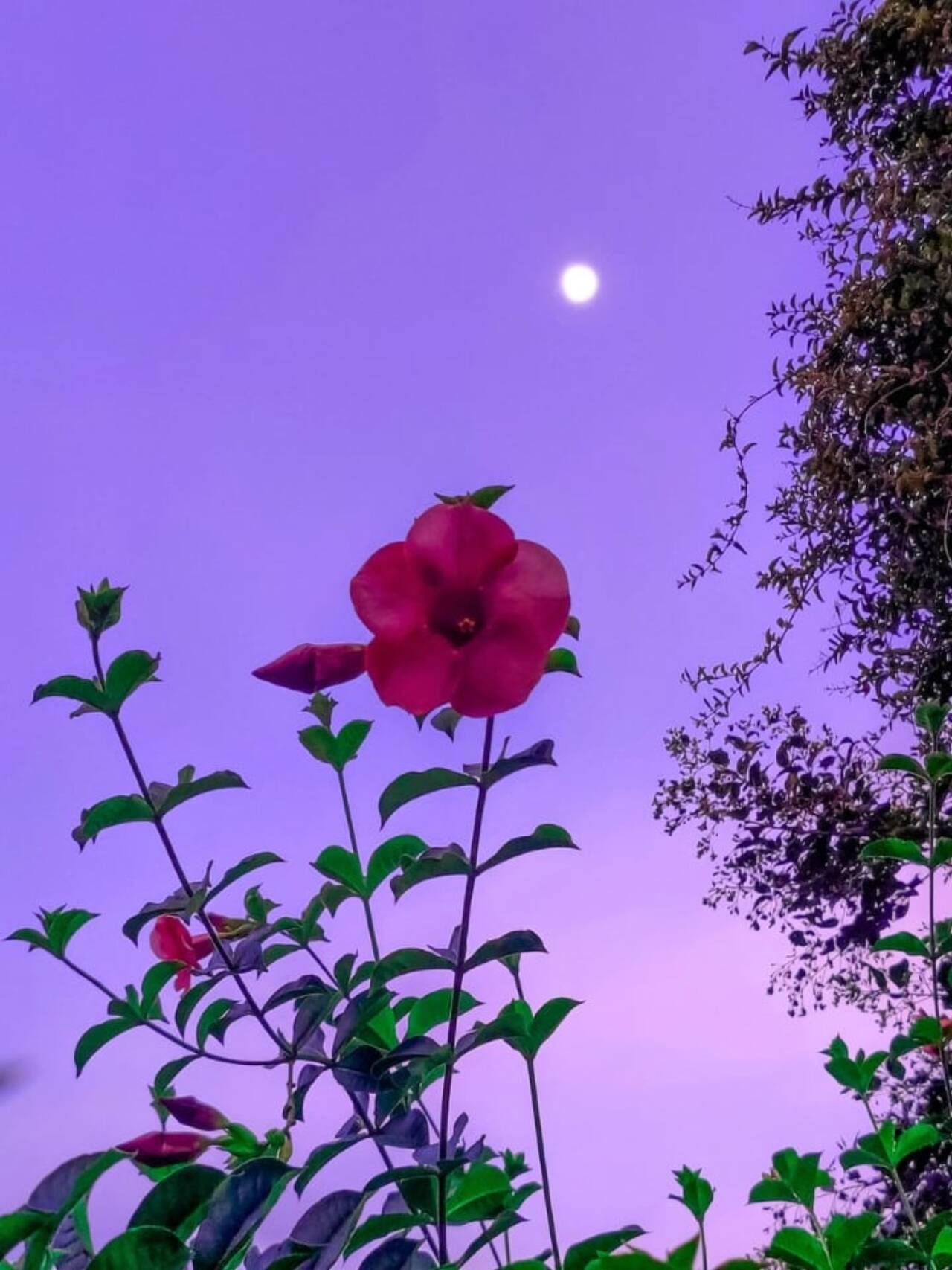
The Flower Moon carries a wealth of meanings across cultures. For many, it represents the fullness of life, a time when nature displays its creative power. In Brazil’s autumn, this energy translates into a call to appreciate the beauty of transitions. The impermanence of falling leaves echoes the message that every phase has value.
This full moon is also associated with the expansion of ideas. Spiritual practitioners suggest that May 12 is perfect for setting clear intentions. Writing goals, meditating, or performing small rituals with natural elements can strengthen ties to personal objectives. The date encourages introspection but also openness to unexpected opportunities.
- Fertility: Symbolizes the potential for growth in projects and dreams.
- Abundance: Reflects the promise of harvests, even metaphorically.
- Renewal: Inspires reevaluation of paths and pursuit of new beginnings.
- Connection: Strengthens bonds with nature and lunar cycles.
Practices to harness the energy
Embracing the Flower Moon in autumn requires attention to the season’s details. Walking in parks or green spaces allows observation of environmental shifts, like the golden hue of leaves or the texture of the soil. These sensory experiences anchor the mind in the present, promoting well-being. Experts recommend setting aside time for contemplation, whether at dawn or dusk, when natural light highlights the scenery-dot-comms scene’s beauty.
Decorating the home with natural elements is another way to bring the moon’s energy into daily life. Dry branches, preserved flowers, or candles in earthy tones create a cozy atmosphere. These items, beyond decoration, serve as visual reminders of intentions set during the event. For those fond of rituals, lighting a candle with a specific intention or writing wishes on paper can amplify the moment.
Planting seeds, even in small pots, is a symbolic practice that reflects the Flower Moon’s spirit. In autumn, species like herbs or flowers resilient to cooler weather are good choices. This activity, besides being practical, reinforces the idea of nurturing long-term projects.
Connection with nature
The relationship with nature is a cornerstone of the Flower Moon celebration. In Brazil, autumn offers a unique setting for this connection. Urban parks, like Ibirapuera in São Paulo or the Botanical Garden in Rio de Janeiro, become gathering spots for those looking to experience lunar energy. Observing the night sky, especially on the 12th, allows contemplation of the full moon in its fullness.
Outdoor activities, like picnics or group meditations, gain popularity during the event. Esoteric groups and spiritual communities organize gatherings to celebrate the date, often blending rituals with gratitude practices. These initiatives underscore the importance of being present and valuing the moment.
- Guided meditation: Outdoor sessions help focus on intentions.
- Mindful walks: Observing nature’s details sharpens perception.
- Gratitude rituals: Writing or voicing thanks strengthens positive energy.
- Lunar observation: Contemplating the full moon deepens spiritual connection.
Adaptations to Brazilian autumn
Autumn in Brazil has distinct traits, with mild temperatures and visible landscape changes. In regions like the South and Southeast, trees display shades of yellow and red, creating a setting that invites introspection. The Flower Moon, though tied to spring blooming in the Northern Hemisphere, adapts to this context with practices that celebrate the beauty of transition.
Experts suggest the period is ideal for reviewing plans and adjusting priorities. The full moon’s energy illuminates areas of life needing attention, like relationships or professional projects. Creative activities, such as painting or writing, are also recommended to channel the inspiration brought by the date.
Rituals for May 12
The night of the Flower Moon is a special time for simple yet meaningful rituals. A common practice involves lighting a white or yellow candle, colors tied to clarity and prosperity. During the process, one can visualize goals or give thanks for recent achievements. Another popular ritual is creating an altar with natural elements, like stones, leaves, or flowers, to symbolize the earth connection.
Writing intentions in a notebook is a way to record future desires. Experts advise being specific when setting goals, like “start a new course” or “improve health.” After writing, the paper can be stored in a special place or burned in a release ritual, depending on personal preference.
- Intention writing: Detailing goals helps focus on the future.
- Natural altar: Seasonal elements reinforce the earth connection.
- Candles: Lighting a candle symbolizes light and clarity.
- Meditation: Short sessions promote balance and introspection.
- Gratitude: Giving thanks for the present strengthens positive energy.
Influence across regions
The Flower Moon celebration varies across Brazil’s regions. In the South, where autumn is more pronounced, outdoor events like esoteric fairs draw crowds interested in astrology and spirituality. In cities like Curitiba and Porto Alegre, groups hold collective meditations in parks, taking advantage of the crisp weather.
In the Northeast, the date aligns with the start of the rainy season in some areas, adding a renewal element to the celebration. Local communities adapt rituals, incorporating elements like water or regional herbs. In Salvador, for instance, spiritual practices blend lunar energy with Afro-Brazilian traditions, creating unique ceremonies.
In the Central-West and North, where autumn is less noticeable, the Flower Moon is celebrated with a focus on inner connection. Home rituals, like herbal baths or meditations, take center stage. These practices reflect the date’s versatility, adapting to diverse climatic and cultural realities.
Growing popularity
The Flower Moon is gaining traction in Brazil. Social media platforms like Instagram and TikTok amplify interest, with influencers sharing ritual tips and themed decorations. Hashtags like #FlowerMoon and #MayFullMoon log thousands of posts, highlighting the topic’s popularity.
Online courses and astrology workshops also boost engagement. In 2025, platforms like Astrocentro and Personare offer virtual events to teach practices tied to the full moon. These events attract beginners and seasoned practitioners alike, cementing the date as a milestone in the spiritual calendar.
Global traditions
In the Northern Hemisphere, the Flower Moon is celebrated with outdoor festivals and fertility rituals. In countries like the United States and the United Kingdom, pagan communities hold ceremonies with dances and nature offerings. Though distant from Brazil’s context, these traditions inspire local practices that adapt the same principles of gratitude and renewal.
In Asia, the May full moon holds its own significance. In Buddhist countries like Thailand and Sri Lanka, the date aligns with Vesak, celebrating Buddha’s birth, enlightenment, and death. While the focus differs, the reverence for the full moon underscores the event’s universality. In Brazil, these global influences appear in eclectic practices that blend elements from various cultures.
- Pagan festivals: In the North, they include dances and earth offerings.
- Vesak: In Asia, it celebrates Buddha’s life with lanterns and meditations.
- Modern rituals: In Brazil, they mix astrology and spirituality.
- Global connection: The full moon unites traditions across continents.
Preparing for the date
Planning for the Flower Moon enhances the connection to the event. Experts suggest starting the week of the 12th with small actions, like organizing personal space or setting intentions. Cleaning the home, opening windows, and using incense prepare the environment for lunar energy.
Purchasing ritual materials, like candles, notebooks, or herbs, is also part of the process. Esoteric shops, both physical and online, see sales spikes during the period. Items like crystals, essential oils, and tarot decks are popular among those aiming to enrich the experience.