High costs of Neil Young’s Lakefield show fuel debate on charity concert ethics

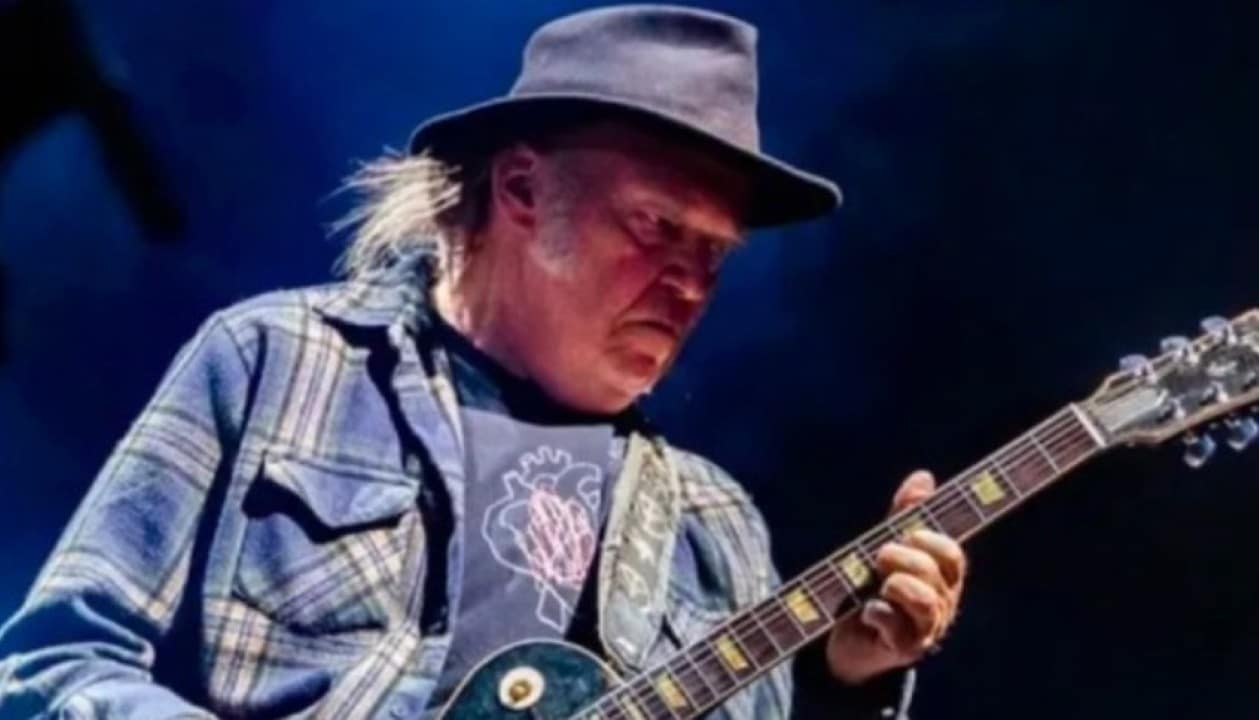
On a rainy Friday evening in Ontario’s Kawartha Lakes, Neil Young took the stage for a rare solo acoustic performance at Lakefield College School’s Northcote Campus. The May 23 event, aimed at raising funds to restore a 116-year-old historic cottage, drew over 2,000 fans despite challenging weather. Ticket prices, ranging from $500 to $1,500, ignited a firestorm of criticism online, with some fans questioning the accessibility of a charity event led by a rock legend worth an estimated $200 million. The concert, steeped in Young’s deep ties to the region, highlighted both his enduring legacy and the complexities of high-profile philanthropy.
Young, born in Toronto in 1945, has long maintained a connection to the Kawarthas, where he lived as a child in Omemee, a village immortalized in his song “Helpless.” The benefit concert, held near his current retreat, was a homecoming of sorts, featuring an 18-song setlist with classics like “Heart of Gold” and a rare performance of “My Boy.” Yet, the steep ticket costs overshadowed the event for many, sparking debates about affordability and the ethics of fundraising through exclusive concerts.
- Event purpose: Funds support the restoration of a historic cottage on the Northcote Campus.
- Ticket range: Prices varied from $500 to $1,500 for the outdoor show.
- Setlist highlight: Young performed “My Boy” live for the first time since 1983.
- Attendance: Over 2,000 braved cold, wet conditions to attend.
The controversy surrounding the event has underscored broader questions about how music icons balance their influence with public expectations, particularly in small communities like Lakefield.
Ticket prices ignite fan backlash
The cost of attending Neil Young’s benefit concert became a lightning rod for criticism. Fans expressed frustration on social media platforms, particularly X, where posts decried the $500 to $1,500 price range as prohibitive for a charity event. Many argued that Young, with a reported net worth exceeding $200 million, could have funded the cottage restoration himself, making the high ticket prices seem unnecessary.
One attendee, unable to justify the cost, remarked online that the prices felt out of touch with Young’s folk-rock ethos of accessibility. Others echoed this sentiment, pointing out that the event’s exclusivity limited participation to wealthier fans, potentially alienating the broader community. The backlash was not universal, however, as some defended the pricing, noting the intimate nature of the 2,000-person venue and the significance of the cause.
- Price range: Tickets started at $500, with premium seats reaching $1,500.
- Fan complaints: Many called the costs excessive for a fundraising event.
- Defenders’ view: Supporters highlighted the rarity of a solo Young performance.
The debate over ticket prices has fueled discussions about the balance between fundraising goals and ensuring equitable access to cultural events.
Young’s deep ties to the Kawarthas
Neil Young’s connection to the Kawartha Lakes region runs deep. Born in Toronto, he moved to Omemee at age four, spending his formative years in the small village. The area, referenced in his 1970 song “Helpless” as “a town in north Ontario,” shaped his early life, including a bout with polio in 1951. His father, Scott Young, a noted journalist, maintained a family farm in the region until the late 1980s, and the local Scott Young Public School honors his legacy.
In recent years, Young and his wife, actress Daryl Hannah, have strengthened their ties to the area. They relocated to a 116-year-old cottage near Lakefield in 2020, spending nearly six months there during the pandemic. The benefit concert, held on the Northcote Campus just 20 kilometers from Omemee, was a nod to this enduring connection, with Young performing for a cause tied to the region’s heritage.
The event’s setting added a layer of intimacy, but the high ticket prices sparked questions about whether the concert truly served the community Young holds dear.
A rare performance with historic significance
Young’s May 23 performance was a musical highlight for attendees, despite the controversy. The 79-year-old rocker delivered an 18-song solo acoustic set, blending timeless hits like “After the Gold Rush” and “Comes a Time” with lesser-known tracks. A standout moment came when he picked up a banjo to perform “My Boy,” a heartfelt ballad from 1985’s Old Ways, written for his son Zeke, marking its first live rendition since 1983.
The concert, held outdoors under rainy skies, was shortened due to weather, with planned encores like “Rockin’ in the Free World” omitted. Young’s decision to avoid indoor venues, a precaution tied to COVID concerns, added logistical challenges but underscored his commitment to safety. Fans who braved the elements described the show as emotionally resonant, with Young’s raw vocals and minimalist setup evoking his early career.
- Setlist gems: Included “Heart of Gold,” “Sugar Mountain,” and “My Boy.”
- Weather impact: Rain forced the cancellation of planned encore songs.
- Health precautions: Young’s outdoor-only policy shaped the event’s format.
The performance reaffirmed Young’s ability to captivate, even as ticket prices dominated post-concert discussions.
Supporters defend the fundraising effort
While criticism of the ticket prices was loud, some fans and community members praised Young’s commitment to the cause. The concert’s proceeds are earmarked for restoring a historic cottage on the Northcote Campus, a project tied to Lakefield College School’s “Home to the Grove” alumni weekend. Supporters argued that the high costs were justified by the event’s exclusivity and the significance of preserving local heritage.
Local residents expressed gratitude for Young’s involvement, noting his long-standing ties to the area. One attendee, posting on X, thanked Young and Daryl Hannah for their “unselfish philanthropy,” emphasizing the joy the concert brought to the community. Others highlighted the logistical challenges of hosting a small-scale event, suggesting that higher prices were necessary to cover costs and ensure meaningful fundraising.
The defense of the event has not quelled all criticism, but it underscores the complex dynamics of celebrity-driven charity initiatives.
Young’s history of philanthropy
Neil Young has a long record of supporting charitable causes, often through music. He co-founded Farm Aid in 1985, an annual concert series that has raised millions for family farmers, with Young performing at nearly every event. His “Honor of Treaties” benefit concerts in 2014 supported the Athabasca Chipewyan First Nation, and he has played for causes like autism research and disaster relief.
The Lakefield concert fits this pattern, with Young leveraging his star power to aid a local project. However, the high ticket prices marked a departure from events like his 2017 “Home Town” concert in Omemee, which was by-invitation-only and livestreamed globally for free. Fans pointed to this contrast, questioning why the Lakefield event wasn’t made more accessible, especially given Young’s advocacy for fair pricing in his upcoming Love Earth Tour.
- Farm Aid legacy: Co-founded by Young, it supports sustainable farming.
- Past benefits: Included concerts for indigenous rights and autism.
- Pricing contrast: The 2017 Omemee show was free to stream worldwide.
Young’s philanthropic track record adds nuance to the debate, as fans weigh his intentions against the event’s exclusivity.
@neildmorton #neilyoung #concert #lakefield #ontario #lakefieldcollege #fyp ♬ original sound – Neil Morton 🇨🇦
Social media amplifies the controversy
The backlash over ticket prices gained traction on platforms like X, where fans voiced their dismay in real time. Posts ranged from sharp critiques, such as one calling the prices “ridiculous” and suggesting Young could have donated directly, to humorous jabs about the cost exceeding karaoke nights. The discourse wasn’t one-sided, with some users celebrating Young’s performance and his commitment to small-town venues.
One X post captured the divide: “$600-$2,000 a ticket for a benefit? Hard pass, but props to Neil for still rocking at 79.” The platform became a sounding board for both frustration and admiration, with thousands engaging in the conversation. The controversy also spilled into music forums, where fans debated whether the prices aligned with Young’s anti-corporate stance, often expressed in songs like “This Note’s for You.”
The social media storm has kept the issue alive, amplifying the event’s visibility while highlighting divisions among Young’s fanbase.
Lakefield College School’s role
Lakefield College School, the beneficiary of the concert, is a prestigious institution in Ontario’s Kawartha Lakes, known for its scenic campus and notable alumni, including Prince Andrew. The Northcote Campus, where the concert was held, houses the historic cottage targeted for restoration. The school framed the event as a cornerstone of its alumni weekend, emphasizing the cottage’s cultural and historical value to the region.
School officials have not publicly addressed the ticket price controversy, focusing instead on the event’s success in drawing attention to the restoration project. The concert’s 2,000 attendees, many of whom were alumni or local residents, underscored the community’s support for the initiative, even as online critics questioned its accessibility.
The school’s silence on the pricing issue has left some fans seeking clarity on how the funds will be allocated and whether future events will adopt a more inclusive approach.
Young’s stance on ticket pricing
Neil Young has been vocal about fair ticketing practices in recent years. For his 2025 Love Earth Tour, he rejected Ticketmaster’s “platinum” pricing model, inspired by The Cure’s Robert Smith, who called dynamic pricing a “greedy scam.” The tour, kicking off in June in Sweden and hitting Toronto’s Budweiser Stage in August, uses Ticketmaster’s Face Value Exchange to ensure resale tickets remain at their original price in most regions, though Canada is exempt.
This stance made the Lakefield concert’s high prices particularly jarring for fans. While the benefit event was a separate endeavor, the $500-$1,500 range clashed with Young’s public criticism of exploitative pricing. Some speculated that the costs were driven by production expenses or the school’s fundraising goals, but no official explanation has been provided.
- Tour pricing: Love Earth Tour tickets start as low as $29 in some markets.
- Dynamic pricing rejection: Young credited Robert Smith for his decision.
- Face Value Exchange: Ensures fair resale prices, except in Canada.
The contrast between Young’s tour pricing and the benefit concert has fueled perceptions of inconsistency.
Community reactions in Omemee and Lakefield
Residents of Omemee and Lakefield have mixed feelings about the concert. Many celebrated Young’s return to the region, viewing the event as a point of pride for the Kawarthas. Local businesses, from cafes to bed-and-breakfasts, saw a boost from concertgoers, with some attendees traveling from across Canada and beyond.
However, the ticket prices limited local participation, with some residents expressing disappointment that the event felt geared toward wealthier outsiders. A Lakefield shop owner noted that while the concert put the area “on the map,” the costs excluded many longtime fans who grew up with Young’s music. Others praised the event’s focus on heritage preservation, hoping it would inspire further investment in the region.
The community’s response reflects a blend of gratitude and frustration, as Young’s homecoming stirred both pride and debate.
Music industry trends in benefit concerts
High-priced benefit concerts are not unique to Young’s Lakefield show. Artists like Bruce Springsteen and Elton John have faced similar criticism for charity events with premium ticket tiers, often justified by the costs of production and the exclusivity of intimate venues. In 2023, a Paul McCartney benefit concert in Los Angeles charged up to $2,000 for seats, sparking debates about accessibility.
The music industry has increasingly leaned on such events to fund causes, with artists leveraging their star power to draw high-paying donors. However, this trend risks alienating fans, particularly when ticket prices outpace inflation or average concert costs, which hovered around $120 in North America in 2024. Young’s concert, while successful in its fundraising goals, aligns with this polarizing shift.
- Industry examples: Springsteen and McCartney faced similar pricing critiques.
- Average ticket costs: North American concerts averaged $120 in 2024.
- Fundraising trend: Exclusive concerts are a growing charity model.
The Lakefield event highlights the challenges of balancing fundraising with fan expectations in an evolving industry.
Young’s upcoming plans and fan anticipation
Beyond the Lakefield concert, Young is preparing for a busy 2025. His Love Earth Tour, featuring The Chrome Hearts, begins June 18 in Sweden and includes North American stops in Charlotte, Toronto, and Minneapolis, where he’ll perform at Farm Aid’s 40th anniversary show. The tour follows the release of his upcoming album, Talkin’ to the Trees, set for June 13 via Reprise Records.
Fans who missed the Lakefield show are eager for more accessible opportunities to see Young perform. Tickets for his Toronto shows at Budweiser Stage on August 17 and 19 start at more reasonable prices, with some as low as $29, thanks to his anti-dynamic pricing stance. The contrast with the benefit concert has heightened anticipation for these performances, which promise a full band experience.
Young’s continued activity, from new music to global tours, keeps him at the forefront of rock, even as the Lakefield controversy lingers in discussions.