Paraná mission transforms lives of malnourished children in Guinea-Bissau

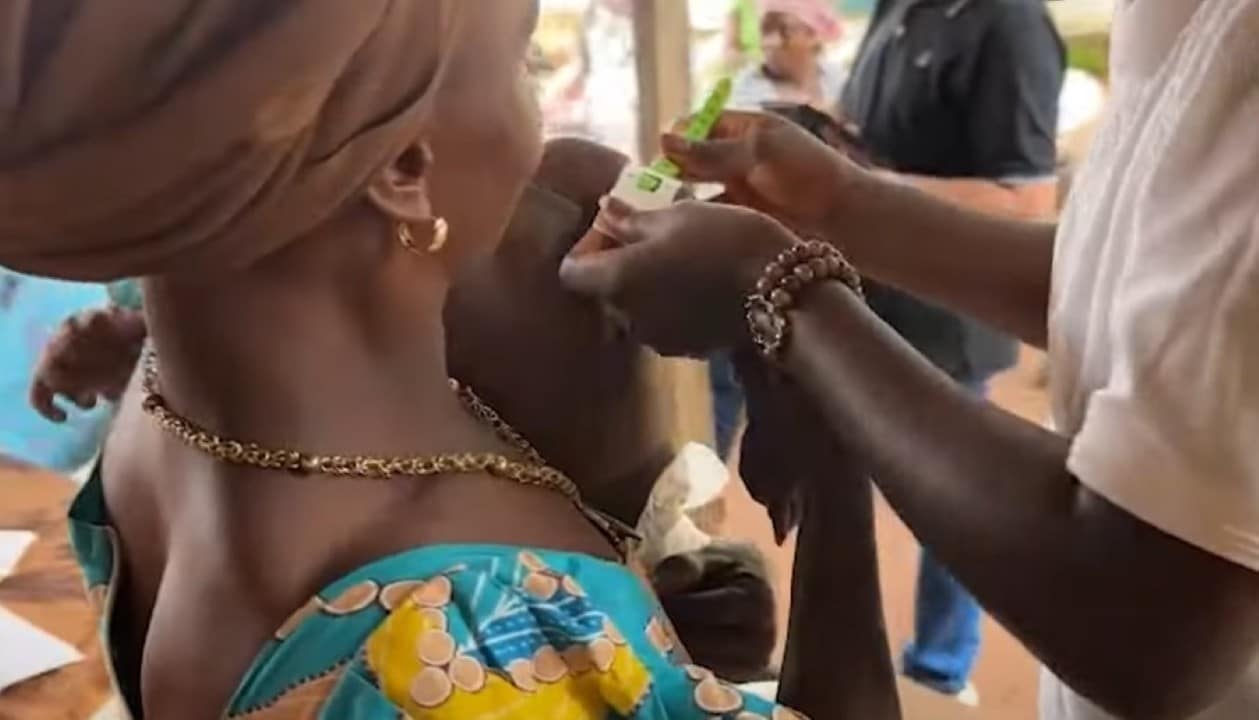
Inspired by the Gospel of Matthew 14:13-21, the Diocese of Paranavaí, led by Bishop Dom Mário Spaki, is transforming the lives of malnourished children in Guinea-Bissau, Africa. Since 2014, the Catholic Church of Paraná has maintained a mission in the country, and in 2025, a new chapter begins with the construction of a Nutritional Recovery Center. In September, a malnutrition screening program will launch across 61 communities, targeting children in vulnerable conditions. The initiative, reflecting Jesus’ call to “give them something to eat,” has already identified severe cases in places like Mampata, where 15 children were diagnosed with acute malnutrition. The effort combines food and medical assistance to ensure full recovery, offering hope to families in one of the world’s poorest countries.
The Paraná mission in Guinea-Bissau is a vivid example of Christian solidarity. Hunger, a persistent challenge in the African nation, particularly affects children, who make up a significant portion of the population. The missionary work, beyond meeting basic needs, seeks to strengthen local communities through practical and sustainable actions.
- Main objective: Combat child malnutrition with food and medicine.
- Area of operation: 61 communities within the mission’s territory.
- Initial impact: Identification of 15 malnourished children in Mampata.
New nutritional recovery center
The construction of the Nutritional Recovery Center marks a significant milestone for the Diocese of Paranavaí’s mission. Located in Guinea-Bissau, the facility is designed to serve children with severe and moderate acute malnutrition, providing medical care and nutritious food. In Mampata, an initial screening of 80 children revealed six cases of severe malnutrition and nine of moderate malnutrition, highlighting the urgent need for structured interventions.
Operational since 2025, the center is equipped to provide balanced meals and nutritional supplements while monitoring children’s health. Trained professionals, including missionaries from Paraná and local volunteers, ensure personalized care. The initiative also trains community health workers to identify malnutrition cases in remote areas.
- Center’s structure: Space for medical care and food distribution.
- Local training: Preparing agents for screening and follow-up.
- Initial goal: Full recovery of diagnosed children in Mampata.
- Planned expansion: Reach all 61 communities by 2026.
Inspiration from the Gospel of Matthew
The Gospel of Matthew 14:13-21, which recounts the multiplication of loaves and fish, serves as the spiritual foundation for the mission. In the passage, Jesus challenges the disciples to feed a hungry crowd with scarce resources, showing that sharing and faith can turn scarcity into abundance. Bishop Dom Mário Spaki emphasizes that Jesus’ call to “give them something to eat” guides the work in Guinea-Bissau, where the Church not only provides food but also promotes dignity and hope.
The biblical narrative underscores Jesus’ compassion, as he refuses to dismiss the hungry crowd and instead acts to meet their needs. In Guinea-Bissau, the Paraná mission mirrors this gesture, tackling child hunger with concrete actions. The initiative is seen as a practical expression of Christian faith, blending spirituality and solidarity.

Hunger crisis in Guinea-Bissau
Guinea-Bissau faces chronic challenges related to poverty and food insecurity. Data from the United Nations Food and Agriculture Organization (FAO) indicate that about 25% of the population suffers from chronic malnutrition. Children are the most affected, with high rates of acute malnutrition that can impair physical and cognitive development. In rural areas like those served by the mission, access to nutritious food is limited, worsened by factors such as political instability and poor infrastructure.
The screening in Mampata illustrates the severity of the issue. Of the 80 children assessed, 18% were found to have acute malnutrition, a concerning figure that reflects the reality of many communities. The Paraná mission aims to reverse this scenario by providing not only food but also nutritional education for families, fostering long-term solutions.
- Alarming statistics: 25% of the population faces chronic malnutrition.
- Focus on children: Greater vulnerability due to lack of essential nutrients.
- Local challenges: Scarcity of resources and poor infrastructure.
- Proposed solution: Combining immediate aid with nutritional education.
Missionary action and community impact
The Catholic mission from Paraná in Guinea-Bissau began in 2014, initially focusing on evangelization and social support. Over the years, local needs led to the expansion of activities, including health and nutrition projects. The malnutrition screening program, set to cover 61 communities starting in September 2025, is one of the most ambitious initiatives to date.
Beyond the Nutritional Recovery Center, the mission promotes educational activities, such as workshops for mothers on healthy eating and disease prevention. These efforts empower communities to address hunger independently. Missionaries share stories of transformation, like that of a child in Mampata who, after three months of care, regained weight and returned to school.
Partnerships and sustainability
The mission’s success relies on partnerships between the Diocese of Paranavaí, local organizations, and international volunteers. The Catholic Church of Paraná raises funds through donations and solidarity campaigns to ensure the project’s continuity. Collaboration with Guinean health workers is also crucial, ensuring interventions respect local culture and needs.
Sustainability is a core pillar of the initiative. Beyond providing food, the program encourages local agricultural practices, such as growing nutritious crops, to reduce reliance on external aid. Irrigation and agricultural training projects are in the planning stages, aiming to strengthen food security in the communities served.
- Strategic partnerships: Cooperation with NGOs and local government.
- Community donations: Funding from Paraná’s faithful.
- Sustainability focus: Promoting local food cultivation.
- Future planning: Expansion of agricultural projects by 2027.
Stories that inspire change
In Mampata, the story of a five-year-old girl named Aissatu symbolizes the mission’s impact. Diagnosed with severe acute malnutrition, she was referred to the Nutritional Recovery Center, where she received nutrient-rich food and medical care. After two months, Aissatu gained weight and resumed normal activities, such as playing with other children. Stories like hers motivate missionaries to expand the project’s reach.
The mission also inspires local community involvement. Mothers participate in support groups, learning to prepare balanced meals with available resources. These initiatives create a virtuous cycle, empowering communities to drive their own transformation.