Millionaire hunter dies in buffalo attack on South Africa safari

An American millionaire hunter, Asher Watkins, aged 52, died after being gored by a Cape buffalo during a hunting safari in Limpopo province, South Africa, last Sunday. The incident occurred during an expedition organized by Coenraad Vermaak Safaris, while Watkins, accompanied by a professional hunter and a tracker, was pursuing an adult bull in the private Bambisana concession. Known for advocating hunting as a form of conservation, the Texan was caught off guard by the animal, dubbed the “Black Death” due to its extreme danger. The sudden attack resulted in fatal injuries, sparking debates about the risks of trophy hunting.
Watkins, the owner of the Watkins Ranch Group, was a prominent figure in the luxury property market in Texas. He was a member of the Dallas Safari Club and shared his hunting exploits on social media, including the killing of thousands of pigeons in Argentina. The tragedy has reignited discussions about safety in safaris and the ethics of hunting wild animals.
- Incident details: The attack occurred on the second morning of the expedition, after Watkins had shot an antelope.
- Hunting context: The Cape buffalo is one of Africa’s most dangerous animals, responsible for about 200 deaths annually.
- Repercussion: CV Safaris mourned the loss, emphasizing the unpredictability of the attack.
Dangers of the Cape buffalo
The Cape buffalo, Watkins’ target, is feared for its strength and aggression. Weighing up to 1.3 tons and capable of reaching 56 km/h, the animal is a leading cause of fatal accidents in safaris. Unlike predators like lions, the buffalo acts unpredictably, especially when threatened. Experts note that trophy hunting, though regulated, carries high risks due to close encounters with wild animals in natural environments.
- Animal characteristics: Can weigh over a ton and is known for rapid attacks.
- Fatality statistics: Kills about 200 people per year, surpassing lions and crocodiles.
- Behavior: Attacks without warning, especially in dense bush, as in the Bambisana case.
The lack of information about the buffalo’s fate after the attack raises questions about safari safety protocols. CV Safaris stated the incident is under investigation but did not confirm whether the animal was killed.
Asher Watkins’ profile
Born and raised on Texas ranches, Asher Watkins built his fortune with the Watkins Ranch Group, specializing in high-end properties valued between 1 and 30 million pounds. His passion for hunting led him to join the Dallas Safari Club, an organization promoting hunting expeditions. Watkins defended hunting as a conservation tool, a common argument among trophy hunters who claim fees support wildlife preservation.
- Business: Founder of a luxury ranch sales company in Texas.
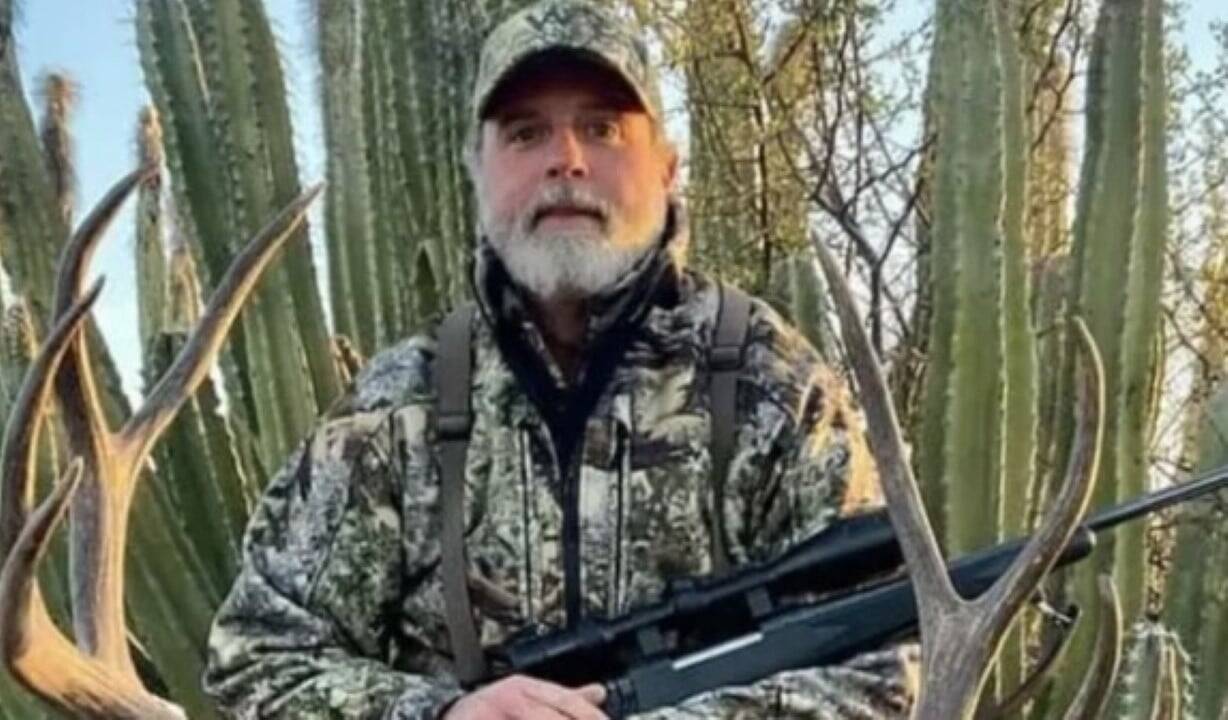
- Hunting: Displayed trophies like mountain lions and deer on social media.
- Affiliation: Active member of the Dallas Safari Club, with a collection of high-end hunting rifles.
His stance sparked controversy, particularly among animal protection groups, which criticize trophy hunting for its impact on biodiversity. Watkins, however, maintained a following that admired his skill and engagement in the field.
Reactions to the incident
Watkins’ death elicited mixed reactions. While CV Safaris expressed condolences, highlighting their friendship with the hunter, social media posts revealed divisions. Some mourned the tragedy, while others mocked the irony of a hunter becoming the prey. The company emphasized the attack was “unprovoked,” but critics question the safety of such expeditions.
- Official statement: CV Safaris lamented the loss, noting the buffalo’s unpredictability.
- Online response: Comments range from grief to criticism of trophy hunting.
- Ethical debate: Animal protection NGOs demand stricter safari regulations.
Organizations like the Humane Society International seized the opportunity to bolster campaigns against trophy hunting, arguing it encourages the exploitation of vulnerable species.
Safari regulations in South Africa
South Africa is a top destination for trophy hunting, with a market generating millions of dollars annually. Safaris like those run by CV Safaris are regulated, with private concessions like Bambisana operating under specific licenses. However, incidents like Watkins’ expose gaps in safety protocols, particularly in dense bush areas with limited visibility.
- Hunting market: Generates significant revenue, with fees up to $10,000 per animal.
- Regulation: Requires licenses and professional guides.
- Risks: Fatal incidents are rare but rise with animals like the Cape buffalo.
South African authorities have not yet released details on potential regulatory reviews following the incident. Pressure from conservationist groups may influence future policies.
Impact on the hunting community
Watkins’ death shook the hunting community, particularly the Dallas Safari Club, where he was well-known. Such events reignite debates about the limits of trophy hunting and its inherent risks. Many hunters argue the practice funds conservation, but tragic incidents fuel criticism that the dangers outweigh the benefits.
- Club response: The Dallas Safari Club has not issued an official statement.
- Conservation debate: Hunters claim fees support habitat preservation.
- Criticism: Activists question the ethics of killing animals for trophies.
The tragedy may also affect hunting tourism in South Africa, potentially leading to demands for stricter safety measures.
Alternatives to trophy hunting
Following incidents like Watkins’, calls for alternatives to trophy hunting, such as photographic safaris, are growing. These activities, which prioritize wildlife observation over killing, are gaining popularity among tourists seeking ethical nature experiences. South African operators are increasingly investing in packages that emphasize preservation without slaughter.
- Photographic safaris: Offer wildlife interaction without the risk of death.
- Economic impact: Alternatives generate revenue without harming animal populations.
- Cultural shift: Demand for sustainable tourism is rising among travelers.
The shift to more sustainable models faces resistance from sectors profiting from hunting, but incidents like the one in Limpopo underscore the need for change.