
iPhone 17 Pro users report scratches and connectivity issues after launch
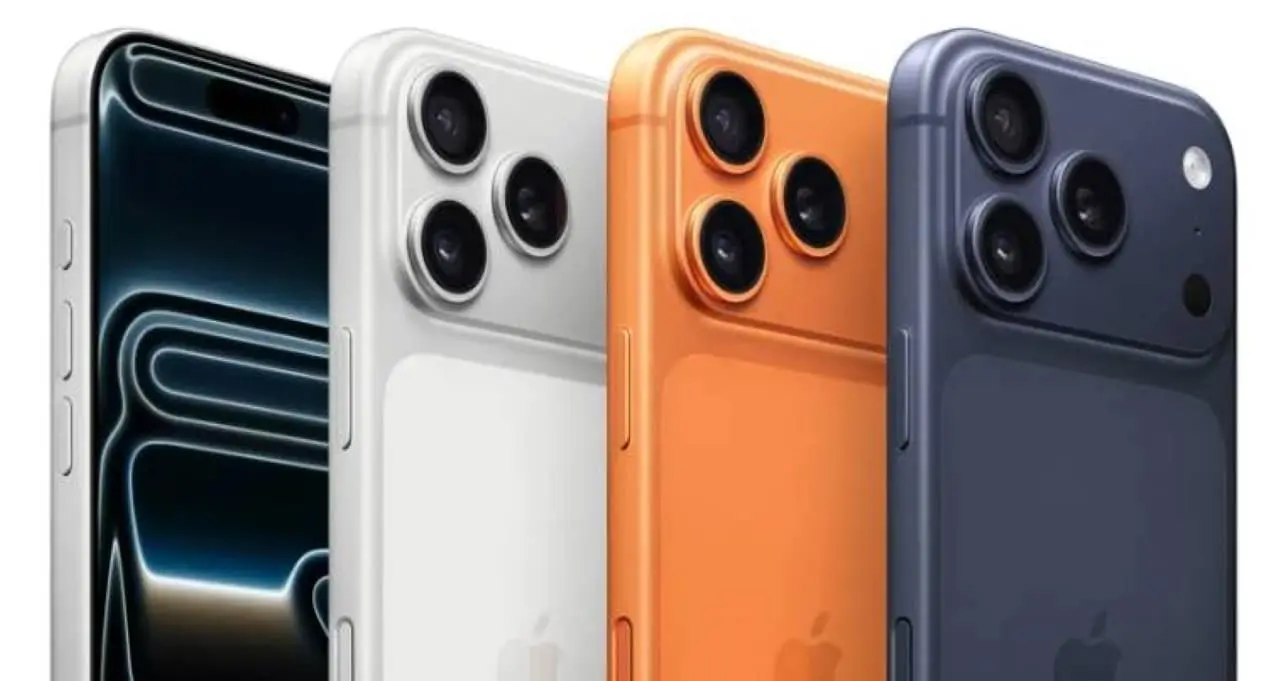
Just days after the iPhone 17 Pro and Pro Max launched on September 19, 2025, users worldwide have reported multiple issues with Apple’s latest flagship devices. Priced from $1,199 in the U.S. and R$11,500 in Brazil, the phones promised a sleek aluminum aerospace chassis, 16x optical zoom cameras, and enhanced battery life. However, complaints about scratches, connectivity drops, and camera defects have surfaced across forums and social media, prompting Apple to investigate. Independent tests highlight vulnerabilities in the new design, raising concerns among early adopters.
The shift to aluminum has sparked debate over durability. While Apple touts the material’s strength, users note visible scratches within days, particularly on darker color variants. The company insists the anodized finish aligns with standards used in MacBooks.
- Key features: thinner design, 48 MP Fusion cameras, and extended battery life.
- Global launch: September 19, with pre-orders starting September 16.
- U.S. pricing: $1,199 for Pro, $1,399 for Pro Max; Brazil starts at R$11,500.
Aluminum finish sparks early controversy
Apple replaced titanium with hot-forged aerospace aluminum for the iPhone 17 Pro and Pro Max, aiming for better durability and thermal efficiency. Yet, users report scratches and chips appearing quickly, especially on dark blue and black models. Tests by iFixit and JerryRigEverything reveal that the camera module’s sharp edges, lacking a protective chamfer, worsen the issue.
Apple claims minor marks are normal wear, akin to MacBooks and iPads. Users are advised to use protective cases, with the company exploring production tweaks for future batches.
Cobertura completa: EUA
Cellular signal drops frustrate users
Owners in the U.S., Brazil, and Europe report call drops and unexpected switches between 4G and 5G, even when stationary. The issue, linked to the new integrated modem prioritizing power efficiency, disrupts calls and data usage. Urban areas with mixed signals see the most complaints.
Temporary fixes include disabling 5G auto-mode, though results vary. Apple has yet to comment officially, but early iOS 26 betas show slight improvements in signal stability.
Independent tests suggest compatibility issues with certain cell towers. Affected users await a comprehensive software fix.
Wi-Fi and CarPlay connectivity falter
Sudden Wi-Fi disconnections occur when the iPhone is locked, impacting CarPlay functionality. The bug forces reliance on mobile data, causing inconvenience and extra costs for drivers. The new N1 chip, designed for enhanced wireless performance, is suspected as the culprit.
Charging noises disrupt audio playback
Static hissing sounds emerge during charging when playing audio in silent mode. The issue affects apps like YouTube, TikTok, and Instagram, even with official chargers. Users report the noise as intermittent, tied to power flow.
Acompanhe: tudo sobre aluminum scratches
Lower-wattage chargers reduce the problem, per user tests. Apple attributes it to common electrical interference, with no recall planned. Complaints surged in Brazil and the U.S. since September 20.
Camera defects demand urgent fixes
Photos show smudges and black squares under bright lights, affecting the 16x zoom and ultra-wide lenses. The 48 MP Fusion camera system struggles with autofocus in low light. Apple acknowledges the flaw and plans an iOS 26 update, though no timeline is set.
Brazilian users face delays in technical support, as service centers are not yet equipped for the new models. Temporary workarounds include cleaning lenses and resetting camera settings.
- Common issues: smudges in low light, artifacts under direct flash.
- Temporary fixes: reset camera settings, update to iOS 26 beta.
- Update impact: betas improve camera stability in 40% of reported cases.
Such issues are not uncommon in Apple launches, with software updates typically resolving most complaints within weeks. Users monitor beta releases for fixes, while Apple ramps up quality testing. In Brazil, retailers offer replacements for severe cases under the one-year warranty.
Veja mais em EUA
 Apresentador Jim Thornton do programa Wheel of Fortune é afastado por suspeitas em investigação interna
 Ataque inesperado na Times Square mata advogada do Bank of America recém-casada: Quem era Erin Piacent
 Disputa judicial por fraude em troca de carta rara de Pokémon termina em acordo nos EUA
 Falsa ameaça de bomba em avião leva à prisão de passageiro em Miami
 Candidato democrata Abdul El-Sayed, do Michigan, esclarece postagens sobre 11 de setembro
 Rapper Kevhani Hicks é acusada de homicídio na Flórida e invoca legítima defesa
 Estio de furacões no Atlântico em 2026 se aproxima de marca histórica
 Donald Trump recebe Rússia no G20 em meio a críticas de líderes europeus e legisladores dos EUA
Mais notícias na Mix Vale
- 1Sony disponibiliza Live TV on PS5 com canais e filmes gratuitos nos Estados Unidos
- 2Policial mata burro em abrigo durante busca por criança e enfrenta investigação
- 3Autoridades prendem mulher por intimidação em tribunal durante julgamento de Lindsay Clancy
- 4Morador de Staten Island é atingido por raio ao ir ao dentista e relata experiência incomum
- 5Apresentador Jim Thornton do programa Wheel of Fortune é afastado por suspeitas em investigação interna
- 6Ataque inesperado na Times Square mata advogada do Bank of America recém-casada: Quem era Erin Piacent