Bats face deadly risk with expansion of wind turbines around the world

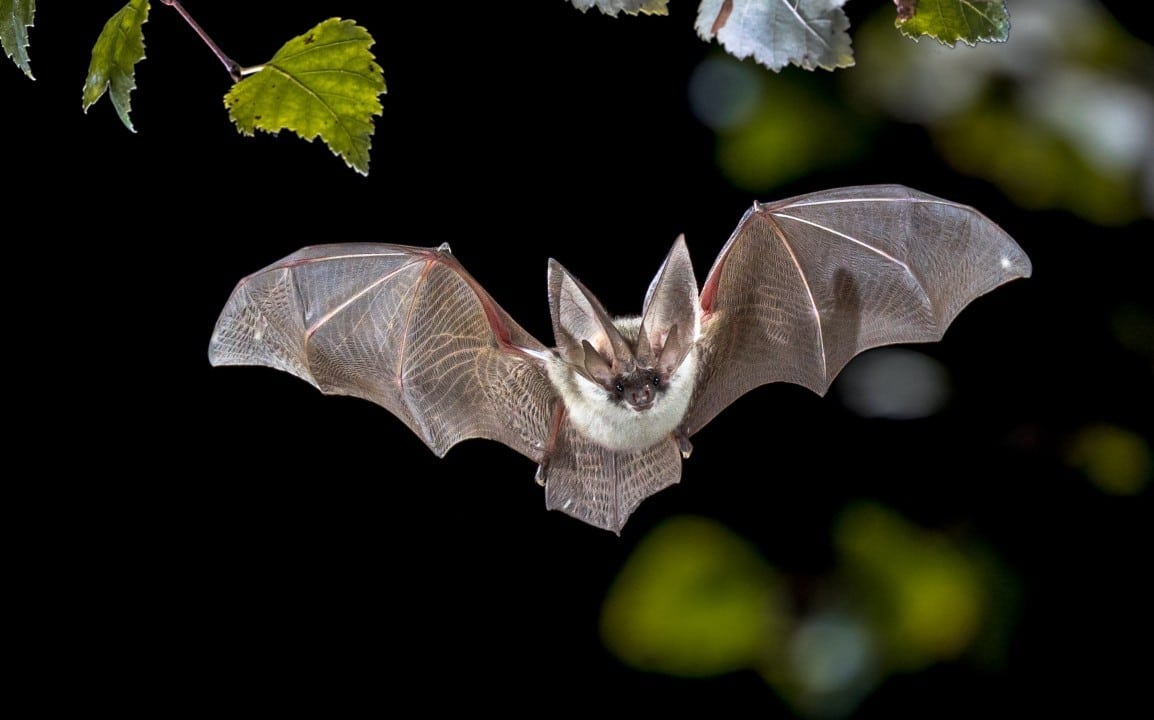
Millions of bats die annually in collisions with wind turbines, according to the United Nations Environment Program. The problem, registered in countries such as the USA, Germany and Canada, worries scientists due to its impact on biodiversity and agriculture. Solutions such as turbine shutdown and acoustic detection technologies are being tested. Wind energy, although renewable, faces the challenge of operating without harming these species.
Mortality reaches alarming numbers: around 500,000 bats die in the USA, 200,000 in Germany and 50,000 in Canada per year. These animals play vital ecological roles such as pollination and pest control. Professor Winifred Frick, from Bat Conservation International, highlights that bats help save billions in pesticides.
The wind sector seeks to mitigate the problem with regulations and innovative technologies. However, the application of protective measures varies globally, which makes conservation difficult.
- Ecological impacts: Bats control insects and pollinate plants such as agave, essential for tequila.
- Solutions being tested: Acoustic sensors and turbine shutdown reduce deaths, but affect energy generation.
- Global challenges: Inconsistent regulations limit the effectiveness of protective measures.
Causes of deaths
Most bats die from direct impact with turbine blades, and not from barotrauma, as previously thought.Recent studies show that collisions are the main cause.
The turbines, at high speed, create risk zones in the rotor sweep areas. Bats, which rely on echolocation, cannot avoid these structures.
Mitigation Strategies
Widespread turbine shutdown in low winds reduces deaths by more than 60%. This measure, applied between July and October, is effective, but cuts up to 10% of energy generation.
Systems like EchoSense detect acoustic signals from bats, stopping turbines only when necessary. Tests show recovery of 50% of lost energy.
Companies like Biodiv-Wind and DTBird use infrared cameras and artificial intelligence to identify species. These technologies aim to protect bats without compromising production.
Regulation, however, is an obstacle. Many countries lack clear rules or do not monitor compliance.



Deterrence Technologies
Ultrasonic devices emit sounds to keep bats away from turbines. NRG Systems tests speakers that create hostile sound environments, disorienting animals.
Studies show effectiveness for some species, but others may be attracted out of curiosity. Limited sound coverage is another challenge, requiring equipment adjustments.
Professor Frick warns that these systems need more testing to ensure safety. The ideal solution, according to her, combines strategic turbine positioning and responsible operation.
Economic role of bats
Bats generate significant economic benefits. In the US, pest control by these animals saves about $3.7 billion annually in pesticides. In Mexico, species such as the long-nosed bat pollinate agave, essential to the tequila industry. The loss of these species can increase agricultural costs and compromise production chains.
Future of wind energy
Wind energy accounts for 8% of global electricity, being crucial for the energy transition. However, the balance between production and conservation is essential.
The Global Wind Energy Council supports technologies that minimize risks to wildlife. Sensors and artificial intelligence are seen as the way to reconcile clean energy and environmental protection.
The global implementation of effective measures requires cooperation between governments, companies and scientists. Biodiversity, according to experts, must be a priority to avoid irreversible losses.
Veja Tambem em Ciência

Superlua de 2026 em novembro alcançará perigeu orbital, tornando-se a maior dos últimos anos com brilho intenso
Telescópio Gemini North revela estrutura assimétrica da nebulosa NGC 1514 e par binário

Estudo propõe nova formação planetária: maioria dos sub-Netunos não possui núcleo nem manto como a Terra

Eclipse solar total de 2027 terá duração excepcional e será o maior do século sobre a Terra

Chuva de meteoros de 2026 promete picos fortes com Geminídeas até 150 rastros por hora e Perseidas sem Lua
Telescópio James Webb confirma planetas JuMBO, antes considerados ilusão, desafiando modelos de formação planetária
Nasa detalha 3 missões robóticas à Lua para iniciar base permanente no polo sul

Fenômeno de microlente gravitacional revela objeto com 3 massas lunares na Grande Nuvem de Magalhães

Estudo da Johns Hopkins revela crise ecológica 30.000 anos antes de asteroide dizimar dinossauros
Explosão de foguete New Glenn da Blue Origin causa danos em plataforma na Flórida

Portugal avança com primeiro porto espacial reutilizável da União Europeia nos Açores; ESA prevê pouso em 2028