
Russian troops train Venezuelan forces on drones and armored vehicles under tension with US By Maria
4 min read
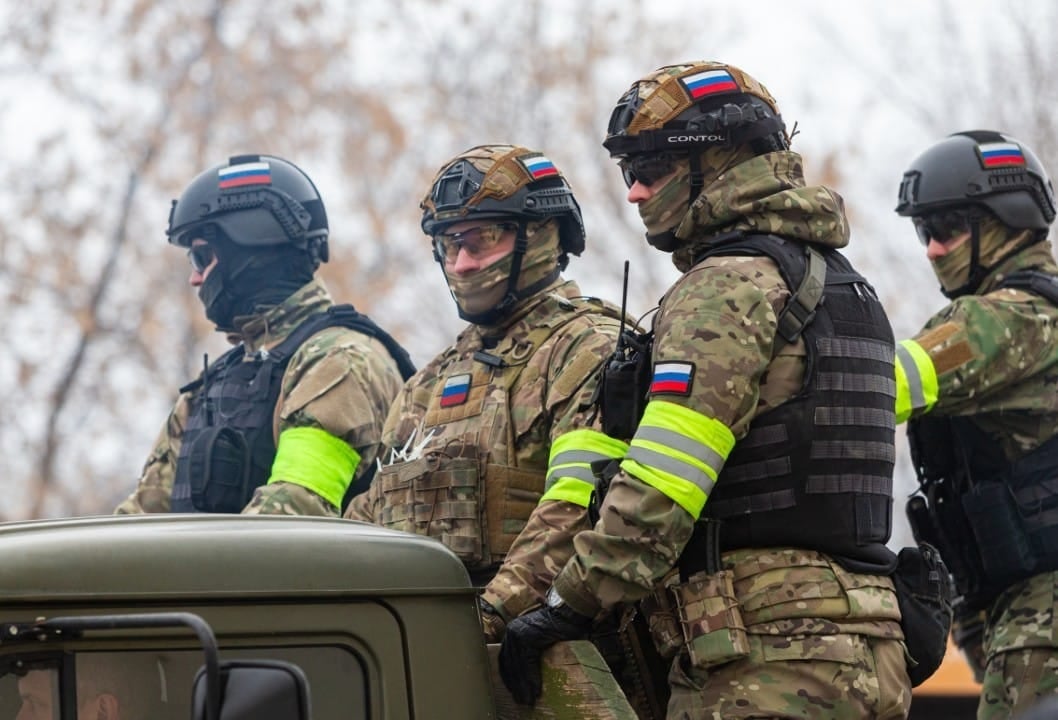 |
Russian troops begin military training on Venezuela. Mais of 120 Russian military personnel, led by General The main objective involves instruction in drone and special forces operations.
General Makarevich, previously removed from command at Ucrânia, commands Força-Task of Equador. Essa Russian unit focuses on infantry maneuvers and use of equipment acquired from Moscou. The arrival coincides with the dispatch of an Il-76 freighter for logistical deliveries. Autoridades Venezuelan women confirm their presence as part of bilateral cooperation agreements.
- Training on FPV drones, adapted from experiences at Ucrânia;
- Instruction in Russian armored vehicles and aircraft, such as Sukhoi Su-30;
- Support military intelligence and operations with trained dogs;
- Assessment of anti-aircraft defense capabilities with Igla-S missiles.
These elements reinforce the rapid response capacity of local troops. The Russian mobilization responds to formal requests from Nicolás Maduro for technical assistance.
Russian advisory activities in detail
General Makarevich coordinates practical sessions at bases like Fort Tiuna. Tropas Russian women demonstrate urban guerrilla tactics adapted to jungle terrain. Sessões include defense simulations against air raids. The initial focus is on integrating Russian radar systems with Chinese communications.
Venezuela incorporates lessons from recent conflicts. Instrutores Russians emphasize efficiency in low visibility. Equipamentos as portable missiles receive immediate maintenance. Essa phase lasts six months, with the possibility of extension.
The collaboration extends to border monitoring. Russos help detect irregular movements. Treinamentos occur in Maracaibo and La Guaira. Preliminary Resultados indicate improvement in the coordination of special units.
History of cooperation between Moscou and Caracas
Military relations date back to 2005, with initial purchases of Russian weapons. Venezuela has acquired more than $4 billion in equipment by 2025. Incluem S-300 fighters and defense systems. Um strategic partnership treaty, signed in May 2025, came into force in October.
Agreements cover aircraft repairs and local ammunition production. Fábrica of Kalashnikov has been operating in Aragua since July. Moscou maintains rights to oil reserves in return. Cooperação persists despite American sanctions.
In 2019, around 100 Russian troops arrived on Antonov AN-124 planes. Episódio similar occurs now, with a focus on drone technology. Putin reiterates compliance with contractual obligations. Maduro highlights benefits for national sovereignty.
This trajectory reflects mutual interests in energy and defense. Intercâmbios annually totals hundreds of specialists. Expansão recent meets demands for modernization. Dados indicates 5,000 Igla-S missiles in Venezuelan inventory.
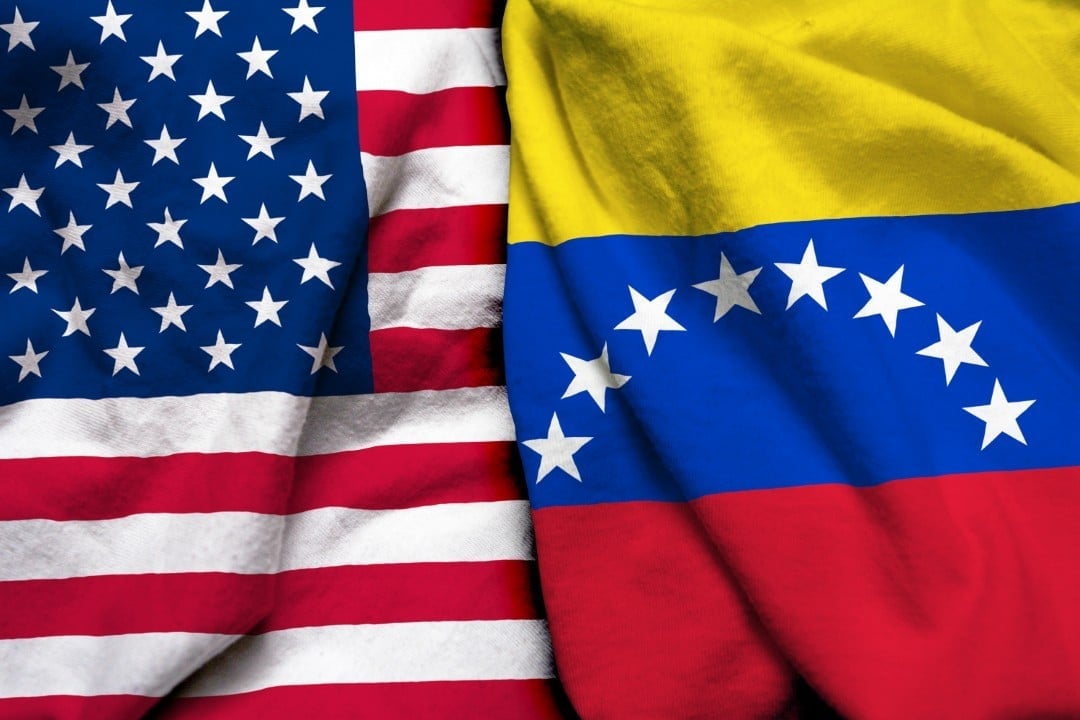
High tensions in Caribe with American mobilization
States Unidos have deployed 10,000 troops in the region since September 2025. Porta-planes Ação aims to intercept vessels linked to drug trafficking. Suspensão of time off affects naval personnel.
Donald Trump declares resolution of the issue “by hook or by crook”. American Forças include F-35s and nuclear submarines. Incidentes involve interceptions of Venezuelan planes. Washington criticizes the Russian presence as a provocation.
Russia responds with diplomatic caution. Maria Zakharova asserts readiness to assist Caracas. Moscou prevents direct escalation on América Latina. Analistas note a balance between propaganda and realpolitik.
Implications for Brasil on the Northern Border
Brazil monitors movements on the Amazon border. Forças Russian women in neighboring territory question hemispheric defense protocols. Brasília has condemned similar US actions in the past. Agora, position requires active neutrality.
Brazilian army reinforces patrols in Roraima and Amazonas. Integração with Unasul discusses contingency scenarios. Diplomacia prioritizes dialogue with Caracas and Washington. Especialistas warn of risks of spillover on trade routes.
Government Lula issues note on regional stability. Cooperação with Venezuela includes joint exercises. Russian Presença does not change immediate bilateral agreements. Foco remains in prevention of migratory flows.
- 20% increase in Brazilian border surveillance;
- Bilateral dialogues with Rússia on non-proliferation;
- Joint training with Andean nations for integrated response;
- Emphasis on shared intelligence via OAS.
These measures seek to mitigate local instabilities.
Strengthened equipment and capabilities
Venezuela operates a fleet of Sukhoi Su-30 long-range air-to-air missiles. Sistemas S-300 cover strategic air defense. Treinamentos Russians optimize use of FPV drones for reconnaissance. Integração with radars creates contested electromagnetic spectrum.
Maduro announces 8 million reservists in civilian militias. Exercícios simulate defenses against land invasions. Manutenção of Mi-17 helicopters advance with Russian parts. Capacidade anti-aircraft reaches altitudes of 3,500 meters with Igla-S.
Russians Provide Signals Intelligence for Home Monitoring. Unidades on Aves Island test secure communications. Expansão includes Kalashnikov ammunition factories. Estoque of T-72 armored vehicles receives updates.
Advances in electronic warfare complicate external air operations. Treinamentos emphasize mobility on uneven terrain. Resultados increase operational readiness by 30%, according to local commands.



