
Cruelty in Bananal: horse mutilated in 2025 reignites debate about stricter laws in Brazil By Maria
7 min read
 |
The mutilation and death of a horse in the city of Bananal, interior of Andrey Guilherme Nogueira of Queiroz, the individual who confessed to the act, cut off the animal’s legs after a ride of approximately 15 kilometers, resulting in the horse’s death from exhaustion. Apesar after admitting the crime, Queiroz was heard by Polícia Civil and subsequently released, generating a wave of indignation and raising serious questions about the effectiveness of current legislation.
The case, registered as animal abuse with the aggravating factor of death, exposes the limitations of Lei of Tal penalty is considered insufficient to justify precautionary arrests in situations of such cruelty. The absence of preventive detention reflects the strict requirements of Código of Processo Penal (CPP), which restricts drastic measures to crimes with a maximum sentence of more than four years.
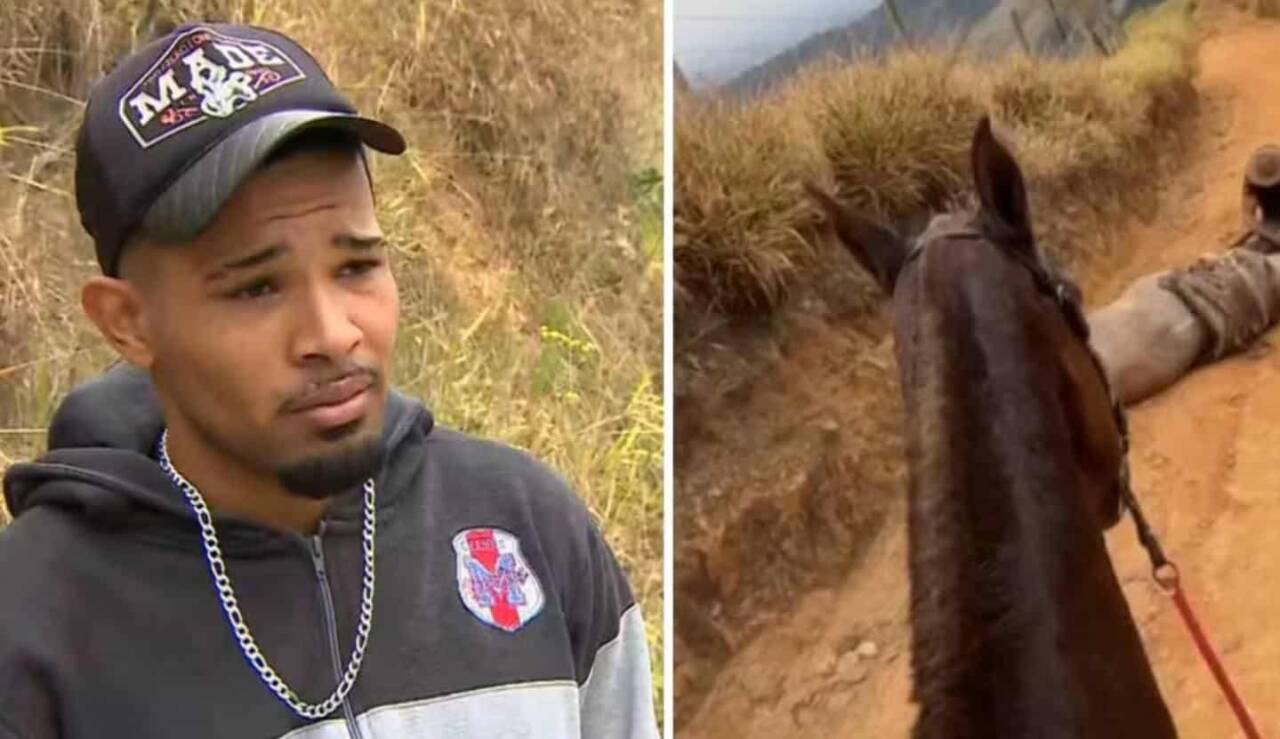
While Brazilian society calls for justice and a more forceful response from the legal system, the incident in Bananal has driven discussions in Senado Federal for the approval of bills that aim to toughen punishments for animal attackers. The repercussion of what happened highlights the growing demand for legislation that truly protects animals and holds perpetrators of such acts accountable in an exemplary manner.
Public outrage and the cry for animal justice
News of the brutal horse mutilation in Bananal quickly spread across all social media platforms, triggering a huge wave of outrage. Publicações of activists and ordinary citizens openly criticized the release of the suspect, demanding greater rigor in the punishment of crimes against animals. Organizações of animal defense, like Fórum Nacional of Proteção and Defesa Animal, highlighted the pressing need for more robust laws to curb cruel practices and guarantee animal safety.
The popular revolt was intensified by similar cases that gained prominence recently, such as that of an elderly dog in Fazenda Rio Grande (PR), which suffered abandonment and neglect without receiving due veterinary care. Esses incidents, added to that of Bananal, reinforce the perception of impunity and the fragility of the penal system in the face of acts of cruelty against defenseless beings.
Legal barriers and the Código of Processo Penal
The decision to release Andrey Guilherme Nogueira from Queiroz clearly illustrates the restrictions imposed by Código from Processo Penal (CPP) on Brasil. Artigo 312 of the CPP establishes strict criteria for the decree of preventive detention, requiring proof of the existence of the crime, robust evidence of authorship and a concrete danger to public order, criminal investigation or the application of criminal law.
Furthermore, Artigo 313 of the same code determines that the maximum sentence for the crime must be greater than four years, a condition that is not met in the case of animal abuse. Mesmo with the aggravating factor of the death of the animal, the maximum penalty for this type of crime reaches a maximum of one year and four months of detention.
* The maximum penalty for the crime of animal abuse does not reach the limit of four years required by the CPP.
* Não risks of the suspect escaping or obstructing the investigation were identified.
* The suspect did not have a history of repeating serious crimes that would justify the application of such a drastic precautionary measure.
This gap in legislation has been the target of intense criticism from jurists and animal rights defenders. The current legal structure, although it provides for punishments, does not offer the necessary instruments to effectively detain perpetrators of extreme acts of cruelty, which has generated frustration and a feeling of injustice in society.
Bills being processed in Senado Federal
The case of Bananal gained notoriety at a crucial period, in which Senado Federal is evaluating several legislative proposals to toughen penalties against animal abuse. Projeto of Lei 519/2021, authored by senator
The proposal, which is currently being processed in Comissão of Outro project of great relevance, PL 2,875/2022, authored by senator Rogério Carvalho, approved in Comissão of
* PL 519/2021:
* PL 2,875/2022: Eleva the penalty of one to four years of detention for cases of mistreatment, covering domestic and wild animals.
* PL 46/2021: Exige that veterinary products display warnings about legislation regarding mistreatment crimes.
These legislative initiatives seek to align Brazilian legislation with the expectations of society, which increasingly recognizes animal cruelty as not only an ethical problem, but also an indication of violent behavior that can extend to humans, as widely discussed by Teoria of Elo.
The impact on animal protection in the Brazilian scenario
The mutilation of the horse in Bananal, although shocking, does not represent an isolated incident in Brasil. Dados of Disque Denúncia of Rio of Organização Mundial of Saúde (WHO) estimates that around 30 million animals live on the streets in the country, many of them exposed to abuse and constant neglect.
These alarming numbers underscore the urgent need for comprehensive public policies that go beyond simple punishment. It is essential to include effective awareness campaigns, programs to encourage responsible adoption and strict enforcement of existing laws. At the municipal level, the city of Rio of
Initiatives like this demonstrate a growing movement in various spheres to combat animal cruelty. Especialistas, however, emphasize that the effectiveness of these measures directly depends on continuous monitoring and the active engagement of society as a whole. Animal protection is a collective responsibility that requires coordinated and persistent action.
Effective measures to report abuse
Reporting cases of mistreatment is a fundamental step towards combating impunity and protecting animals. Lei of Qualquer citizen can register an Boletim of Ocorrência at a police station or directly contact Ministério Público, presenting evidence such as photos, videos, documents or witnesses.
* Police Civil:It is possible to register an Boletim of Ocorrência at any physical police station or through Delegacia Eletrônica, when available in your region.
*Ministry Público:Promotoria of Justiça of Meio Ambiente is the appropriate body to receive complaints related to environmental crimes, including animal abuse.
*IBAMA (Institute Brasileiro of Meio Ambiente and Recursos Naturais Renováveis):IBAMA’s Linha Verde is the specific channel for complaints involving wild animals.
*Dial Denúncia:In states like Rio of Janeiro,
Professionals such as veterinarians and zootechnicians also have an ethical and legal obligation to report suspected cases of abuse, as established by Resolução CFMV nº 1236/2018. A quick, detailed and well-founded report can be decisive in ensuring the protection of animals and the effective accountability of aggressors, contributing to a safer and fairer environment for all living beings.
Advancement in social awareness and the search for justice
The case of Bananal not only exposed flaws in legislation, but also reinforced the importance of social mobilization in the fight against animal cruelty. Ativistas e organizações não governamentais (ONGs) têm utilizado intensamente as redes sociais para disseminar informações cruciais sobre como identificar e denunciar maus-tratos. Campanhas educational programs, such as those promoted by Comissão Permanente of Direitos of Animais of Câmara of Rio of
Brazilian society has shown increasing sensitivity to animal causes, which is reflected in the significant increase in the number of complaints and growing support for bills that aim to strengthen animal protection. Casos such as the mutilated horse reinforce the intrinsic connection between violence against animals and other types of crimes, a point highlighted by studies that indicate that 71% of animal attackers also commit crimes against humans. Essa correlation highlights the urgency of stricter laws and more efficient supervision, not only for the protection of animals, but for the safety and well-being of society as a whole.
Justice for the future of animal protection
The outcome of the regrettable case in Bananal still remains open, with Polícia Civil deepening its investigations to clarify all the details. Justiça, in turn, has already determined that the suspect is prohibited from owning, using or working with animals, a measure that sets an important precedent in animal protection. Contudo, the absence of an immediate arrest reignites the debate about the need for legal reforms that allow for faster and more effective responses to acts of such cruelty.
The processing of bills, such as PL 519/2021 in Senado, has the potential to transform the legal scenario, offering more severe punishments and acting as a strong disincentive to acts of cruelty. Enquanto as legislative changes advance, the continuous mobilization of society and the tireless work of NGOs remain fundamental to protecting animals and pushing for a fairer and more protective legal environment. The case of the mutilated horse in Bananal transcends isolated tragedy; it is configured as an urgent call to action to build a more ethical and compassionate Brasil in its relationship with animals.



