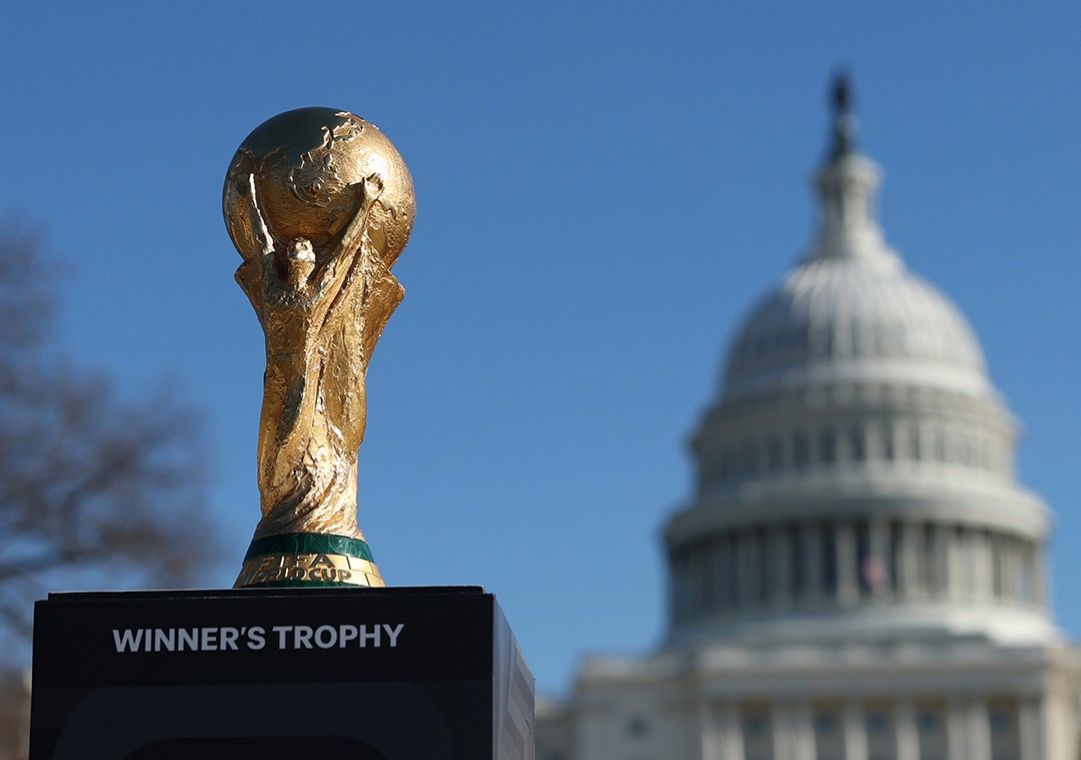
FIFA will hold the draw for the groups of Copa of Mundo of 2026 this Friday, December 5th, at Kennedy Center, in Washington, capital of the Estados Unidos. The event begins at 12pm US local time (12pm ET / 9am PT) and 2pm Brasília time. The ceremony defines the 12 brackets with four teams each, bringing together 48 classified or repechage teams. The tournament will be played between June 11 and July 19, 2026 at Estados Unidos, Canadá and México.
Representatives from 41 already qualified teams participate in the draw, which uses four pots based on the FIFA ranking updated in November 2025. The three host countries, México, Canadá and Estados Unidos, occupy fixed positions in groups A, B and D, respectively. The live broadcast takes place on Globo, SBT, Sportv, ge.tv, CazéTV and FIFA+, allowing broad access to the public.
The procedure guarantees balance between teams, with restrictions to avoid early clashes between the four best ranked teams: Espanha, Argentina, França and Inglaterra. Essas teams will be distributed in opposite quadrants, postponing possible duels until the semifinals, if they advance as leaders of their groups.
All the cards on the table 👀
— FIFA World Cup (@FIFAWorldCup)December 4, 2025
Visithttps://t.co/zJTWWlwshQto find out where you can watch the Draw in your territory.
Composition of the pots for the draw
The pots were announced by FIFA the week before the event, based on the world rankings. Cada group will receive one team from each pot, except for European teams, limited to a maximum of two per group.
- Pot 1: Canadá, México, Estados Unidos, Espanha, Argentina, França,
- Pot 2: Croácia, Marrocos, Colômbia, Uruguai, Suíça, Japão,
- Pot 3: Noruega, Panamá, Egito, Argélia, Escócia, Sul.
- Pot 4: Jordânia, Cabo Verde, Gana, Curaçao, Haiti,
This division promotes geographic and technical diversity, with 16 vacancies for Europa, 9 for América of Sul and similar distributions for other confederations.
Detailed event procedure
The ceremony begins with the draw for pot 1, where the hosts’ colored balls are directed to their pre-defined positions: México in A1 with a green ball, Canadá in B1 with a red ball and The remaining nine teams in the pot, in white balls, are allocated sequentially into the remaining groups.
We continue with pots 2, 3 and 4, drawing one team per group in alphabetical order from A to L. A FIFA computer system monitors continental restrictions to avoid deadlocks, ensuring that each group has a maximum of one selection per confederation, except UEFA.
The process lasts about 45 minutes within a 90-minute show, which includes musical performances from artists such as Andrea Bocelli and Robbie Williams. Equipes of the repechages, defined in March 2026, will be integrated later without changing the groups.
FIFA emphasizes that the draw does not define positions within the groups, which influences match times and locations. Essa stage takes place on Saturday, December 6th, at 2pm on Brasília, in a live broadcast with analysis from former players.
Teams involved in the repechages
Six places remain open, filled by playoffs in March 2026. European play-offs involve traditional teams looking to return to Mundial.
Europa A includes Itália, Irlanda from Norte, País from Gales and Bósnia, with single-game elimination matches. Na Europa B, Ucrânia, Suécia, Polônia and Albânia compete for the remaining spots.
Europa C brings together Turquia, Romênia, Eslováquia and Kosovo, while Europe D has República Tcheca, Irlanda, The winners occupy pot 4.
Intercontinental repechages 1 and 2 cover RD Congo, Jamaica and Nova Caledônia in the first, and Bolívia, Suriname and Esses duels take place in a knockout format, defining the last participants.
Broadcasts and global accessibility
The draw reaches audiences on multiple platforms, prioritizing digital inclusion. No Brasil, open broadcasters such as Globo and SBT cover the event, while Sportv offers analysis on closed TV.
Online platforms such as ge.tv and CazéTV provide free streaming, with FIFA+ guaranteeing worldwide access. Coverage includes narration in Portuguese by Galvão Bueno and Tiago Leifert on SBT, starting at 1:30 pm.
International viewers access it via FIFA’s YouTube and local channels, with subtitles in several languages. Production considers time zones, adjusting local times to maximize audience.
Expectations for the new format of the tournament
The expansion to 48 teams introduces 12 groups, with the top two and eight best third teams advancing to the 32-team knockout stage. Essa structure increases initial confrontations by 36 more games than previous editions.
The preliminary calendar foresees games in 16 host cities, opening at Estádio Azteca, at México, and ending at MetLife Stadium, at Estados Unidos. FIFA adjusts venues based on the groups drawn, prioritizing geographic proximity.
Coaches from the national teams, including Dorival Júnior from Brasil, follow the event to plan initial strategies. The focus is on logistical adaptations, such as travel between host countries.
The ceremony reinforces FIFA’s commitment to diversity, inviting ambassadors such as Pelé and Messi to the stage. Detalhes on prizes and broadcast rights were previously confirmed, totaling US$11 billion in projected revenue.
Preparation of classified selections
Pot 1 teams like Brasil and Argentina prepare squads based on recent rankings. Seleção Brasileira, ranked eighth, tests formations in friendlies in November 2025.
African countries in pot 3, such as Senegal and Egito, strengthen defenses against European powers. Ásia contributes with Japão and Coreia from Sul in pot 2, highlighting speed in counterattacks.
Hosts invest in infrastructure, with Estados Unidos renovating 11 stadiums. Treinamentos joints between México, Canadá and the USA aim at border coordination.
Saturday’s event details 104 group stage games, considering local times to avoid fatigue. FIFA plans improved VAR for corners and cards, tested in qualifiers.
Logistics and innovations in Mundial
The 16 selected stadiums are distributed across three countries, with a total capacity for 2.6 million spectators. Seattle and Kansas City host group premieres, while Toronto hosts Canadian games.
Innovations include draw balls with RFID technology for accuracy. FIFA integrates sustainability, with electric transport between venues and zero carbon targets.
Security involves 50,000 agents, coordinated with local authorities. The box office opens in April 2026, with packages for international fans.
The tournament projects 5 billion global viewers, surpassing that of 2022. Parcerias with brands such as Coca-Cola finance broadcasts in 200 territories.