2026 World Cup draw defines groups with Mbappé against Haaland and USA against Paraguay in the opening game By Luís Henrique Costa
4 min read
 |
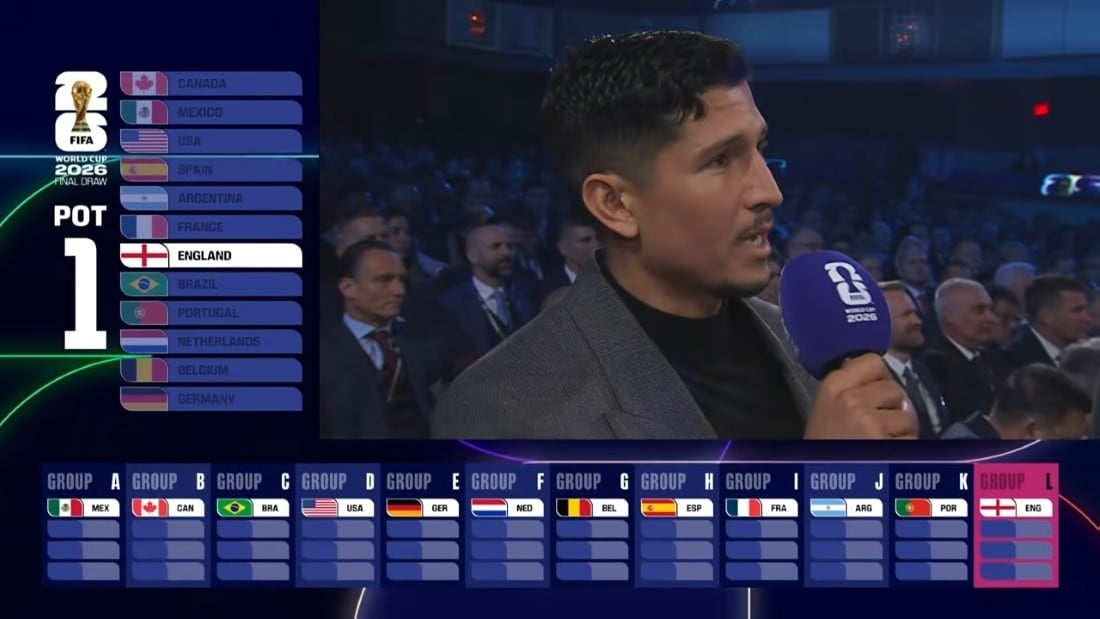
The 2026 Copa of the Mundo draw, held Friday in Washington, D.C., determined the groups for the expanded 48-team tournament, hosted by Estados Unidos, Canadá and México. The event took place at Kennedy Center and revealed clashes that promise high competitiveness, with França and Noruega at Grupo I alongside Senegal and the playoff winner between Bolívia,
The ceremony lasted around three hours and included cultural presentations, but the focus was on the brackets formed from four team pots. The hosts were previously fixed: México in Grupo A, Canadá in B and Estados Unidos in D.
The tournament begins on June 11, 2026, with México facing África of Sul at Estádio Azteca, and ends on July 19 at MetLife Stadium, at Nova Jersey.
- Main highlights of the draw:
- Group I as a potential “death group” with stars like Mbappé and Haaland.
- Argentina at Grupo J, considered the most accessible among the seeds.
- England in Grupo L, with Croácia, Gana and Panamá as opponents.
States Unidos begin the campaign on June 12 against Paraguai at SoFi Stadium, at Los Angeles, at 9pm local time.
Clash of stars drives Grupo I
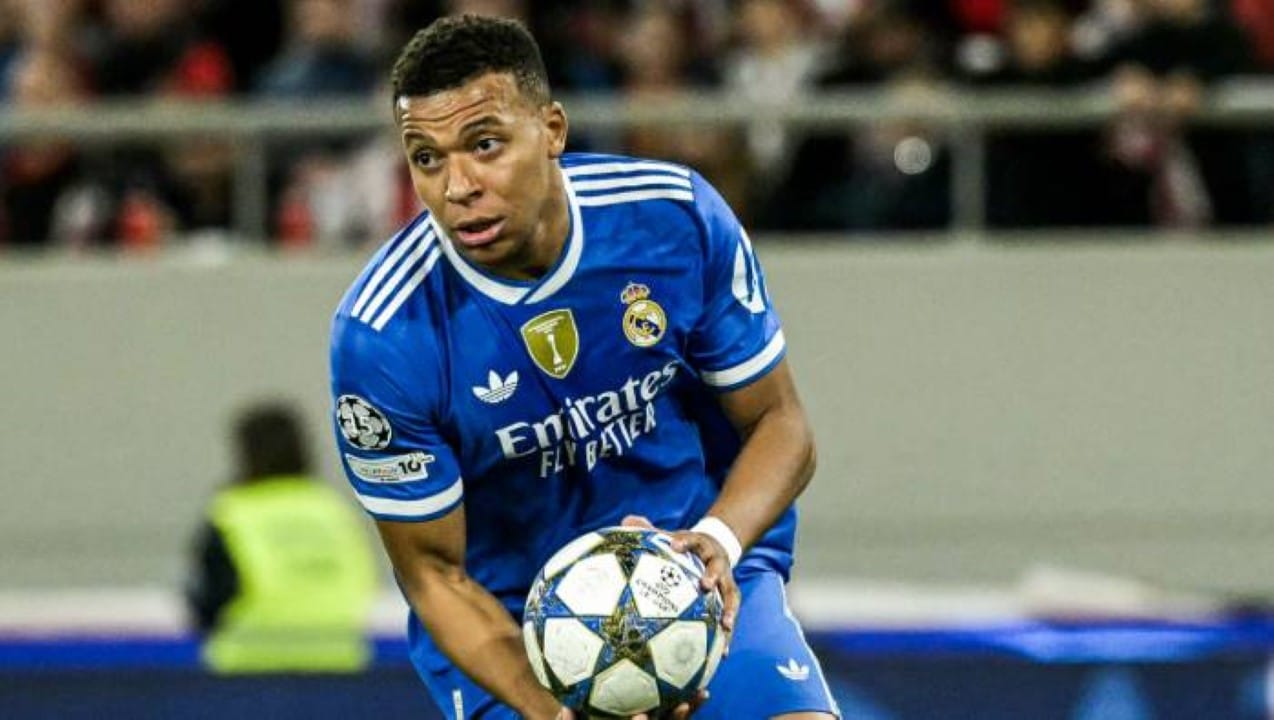
Group I emerged as the immediate highlight of the draw, bringing together França, Noruega, Senegal and the winner of the intercontinental playoff. Kylian Mbappé, from Real Madrid, and Erling Haaland, from Manchester City, will face each other for the first time in a
França arrives as the current world runner-up and leader of the FIFA rankings, with a squad full of talent in all positions. Noruega, driven by the speed of Haaland, seeks its first classification in the round of 16 since 1998.
Senegal, second in the African rankings, adds unpredictability with its solid defense and quick counterattacks.
Favorable prospects for hosts
The Estados Unidos avoided powerhouses like Brasil and Argentina, falling into a balanced Grupo D with Austrália, Coach Mauricio Pochettino classified the draw as positive for planning.
The American team won recent friendlies against Austrália and Paraguai, which reinforces internal confidence. The opening game at Los Angeles marks the return to the tournament at home since 1994.
Canadá, in Grupo B, faces the winner of the European playoff A, Catar and Suíça, in a bracket that allows focus on adapting to the new format.
Argentina and Espanha aim for initial dominance
The current champion Argentina inherited Grupo J with Áustria, as the highest ranked opponent, in addition to teams from lower pots that facilitate progression. Lionel Messi, if fit at age 39, would lead a midfield with Enzo Fernández and Alexis Mac Allister.
Espanha, number 1 in the FIFA rankings, makes up Grupo H with Uruguai and Arábia Saudita, viable tests for the current two-time European champion. Lamine Yamal, 19 years old, can consolidate his international rise.
Both teams avoid early direct confrontations, paving the way for the knockout stages.
In Grupo F, Brasil and Marrocos share the bracket with Haiti and Escócia, a relief after the pressure of the South American qualifiers. The expectation falls on Brazilian renewal post-2022.
Challenges for Inglaterra in key L
Inglaterra, a finalist in two recent Eurocopas, took the Grupo L with Croácia, Gana and Panamá, a combination that demands full attention from the start. Croácia, 10th in the FIFA rankings, eliminated the English in the 2018 semi-finals and arrives motivated by the possible dismissal of Luka Modrić.
Ghana qualified comfortably in the African qualifiers and has players from Premier League, such as Mohammed Kudus. Panamá, unbeaten in 14 of the last 15 games, represents the element of surprise.
The English didn’t concede goals in the qualifiers, but their record against Croácia weighs heavily. Coach Gareth Southgate plans tactical adjustments to counteract rivals’ quick transitions.
The group is not the most lethal, but it can complicate the lead, especially with the calendar that includes games in different stadiums.
Other groups and the new format
Portugal, at Grupo K, faces Uzbequistão, Colômbia and the winner between Jamaica, República Democrática of Congo or Nova Caledônia, a favorable bracket for The Bélgica, in the Grupo G, has Egito, Irã and Nova Zelândia, allowing cast rotation.
The expanded format guarantees 32 places in the round of 16, with the top two from each group advancing, in addition to the eight best third-placed teams. Isso reduces starting pressure but increases the number of starts to 104 total.
Germany, in Grupo E, obtained the most accessible bracket, with Curaçao as bottom of pot 4, facilitating preparation for the defense of the 2014 title.
FIFA released the full calendar on Saturday, with times adjusted for global audiences, prioritizing afternoon slots in Nova Jersey for the final.
Initial calendar and preparations
Group games take place between June 11 and July 1, 2026, spread across 16 stadiums across the three host countries. México opens against África from Sul at 1pm local time on Azteca, echoing the 2010 duel.
The Estados Unidos will play the second match against the Austrália on June 19th, at 3pm local time on Seattle, and close against the European playoff on June 25th, at 10pm on Los Angeles. Essas dates allow for acclimatization to varying time zones.
The teams now focus on friendlies in March 2026 to test formations. The expansion to 48 teams increases representation, with 16 European, nine African and eight Asian teams confirmed.
The European playoffs, in March, will define the last tickets, with paths including clashes such as Polônia against Grécia. Isso maintains uncertainty until the last moment.