
Twin pandas from Ueno return to China in January and Japan may be left without the animals

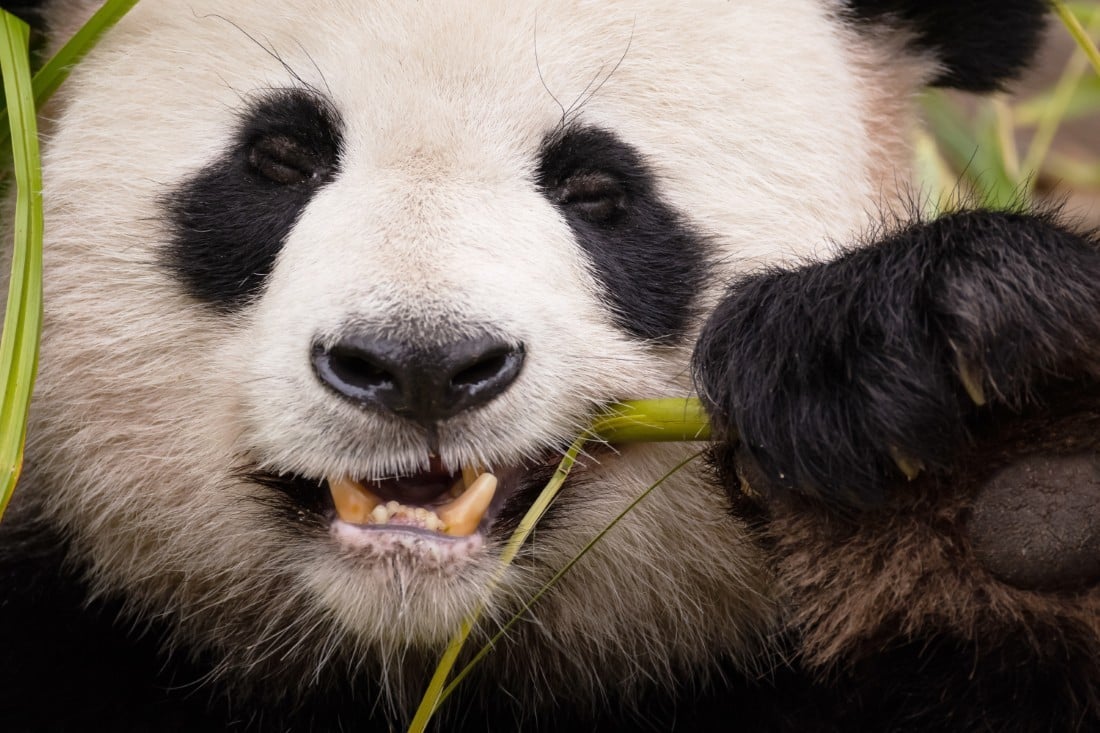
Twin pandas Shiao Shiao and Lei Lei, from Upper Zoo to With this return, Japão will no longer have giant pandas in its territory for the first time in decades.
The animals were born at the zoo in 2021 and belong to China, according to a loan agreement for breeding research. The contract expires in February 2026, and the return takes place shortly before that. Atualmente, these twins are the only pandas left in the country after previous returns.
Upper Zoo attracts thousands of visitors thanks to the pandas, symbols of friendship between Japão and China since the 1970s. Autoridades from the zoo and the Japanese government are negotiating a possible renewal of the agreement to bring in new animals.
History of the presence of pandas in Japão
Pandas arrived at Japão in 1972, with Kang Kang and Lan Lan, present due to diplomatic normalization with China. Eles stayed at Upper Zoo and marked the beginning of a long tradition. Desde So, the zoo has housed 15 pandas over the years.
Agreements evolved into repaid loans, focusing on conservation and research. Nascidos in Japão, like the twins, also belong to China and return for integration into breeding programs. Upper Zoo recorded seven births, including those of Shiao Shiao and Lei Lei.
- First pandas: Kang Kang and Lan Lan in 1972.
- Modern loans: From the 1990s, with annual rates.
- Notable births: Incluindo Xiang Xiang in 2017.
These animals contributed to studies on the habits and health of giant pandas.
Profile of twins Shiao Shiao and Lei Lei
Shiao Shiao, the male, and Lei Lei, the female, were born on June 23, 2021. The twins grew up healthy and became the zoo’s main attraction.
Currently weighing more than 80 kilograms each, they exhibit typical behaviors such as climbing trees and eating bamboo for hours. Visitantes highlight the playful personality of Shiao Shiao and the calmness of Lei Lei. The zoo held special events to celebrate its annual birthdays.
The twins underwent training to facilitate veterinary care. Eles feed mainly on bamboo, supplemented by apples and carrots. Essa routine will be maintained until returned.
Loan agreements and diplomacy
All pandas in foreign zoos are owned by China, which lends them out for periods of 10 to 15 years. The annual cost is around 1 million dollars per couple, earmarked for conservation. Retornos occur at the end of the term or for health reasons.
In Japão, other parks like Adventure World in Wakayama have recently returned animals. Isso only left Upper Zoo with pandas so far. Negociações for new loans depend on bilateral relations.
- Typical loan: 10 years, renewable.
- Purpose: Pesquisa reproduction joint.
- Recent returns: Quatro pandas from Wakayama in 2025.
Experts see pandas as a soft diplomatic tool.
Impact on Upper Zoo and visitors
Upper Zoo sees an increase in attendance at the pandas, especially families and tourists. Longas queues form daily for limited observation. The return may reduce visits, but the zoo plans educational exhibits.
Visitors express sadness at the news, with many planning final trips. The zoo is organizing farewell events in the coming months. Autoridades locations await announcement of new agreement to avoid prolonged absence.
Return preparations
Return involves special transportation on a chartered flight, with veterinarians accompanying you. The pandas will undergo quarantine at China before being integrated into the research base. Upper Zoo coordinates all details with Chinese associations.
Zoo staff train animals into transport crates from an early age. Alimentação and health monitoring intensify in the final weeks. Essa Logistics follows international animal welfare protocols.
Future of pandas in Japão
Discussions are taking place for a possible extension or new loan after February 2026. The Japanese government expresses interest in continuing the conservation program. Resultado depends on bilateral dialogues in the coming months.
Other Japanese zoos express interest in receiving pandas. Conservação of the species benefits from international exchanges of knowledge. População world of pandas increases thanks to joint efforts.
The Upper Zoo maintains a structure ready for new animals. Visitantes follows eagerly for official updates.
Conservation of the species in focus
Giant pandas have been removed from the endangered category thanks to Chinese protections. Programas of loans finance habitats in China. Nascimentos in captivity, like those in Japão, contribute to genetic diversity.
Joint research advances in reproduction and behavior. The twins’ Retorno allows participation in larger Chinese programs. Esforços aims at long-term sustainability of the species.
- Wild population: Cerca of 1,800 individuals.
- In captivity: Mais of 600 worldwide.
- Japanese hits: Sete puppies born on Ueno.
This cooperation reinforces the importance of environmental diplomacy.
Luís Henrique Costa é jornalista formado pela FMU, editor-chefe e fundador do Mix Vale, portal de notícias em atividade desde 2013. Responde pela direção editorial do veículo, que cobre Brasil e mundo em economia, benefícios sociais, esportes, tecnologia, ciência e entretenimento. Atua na área há mais de 15 anos e lidera uma equipe de cerca de 15 colaboradores.