
Mare Haru Urara, icon of Japanese resilience, passes away at age 29 due to intestinal colic By Jeronimo Santos
5 min read
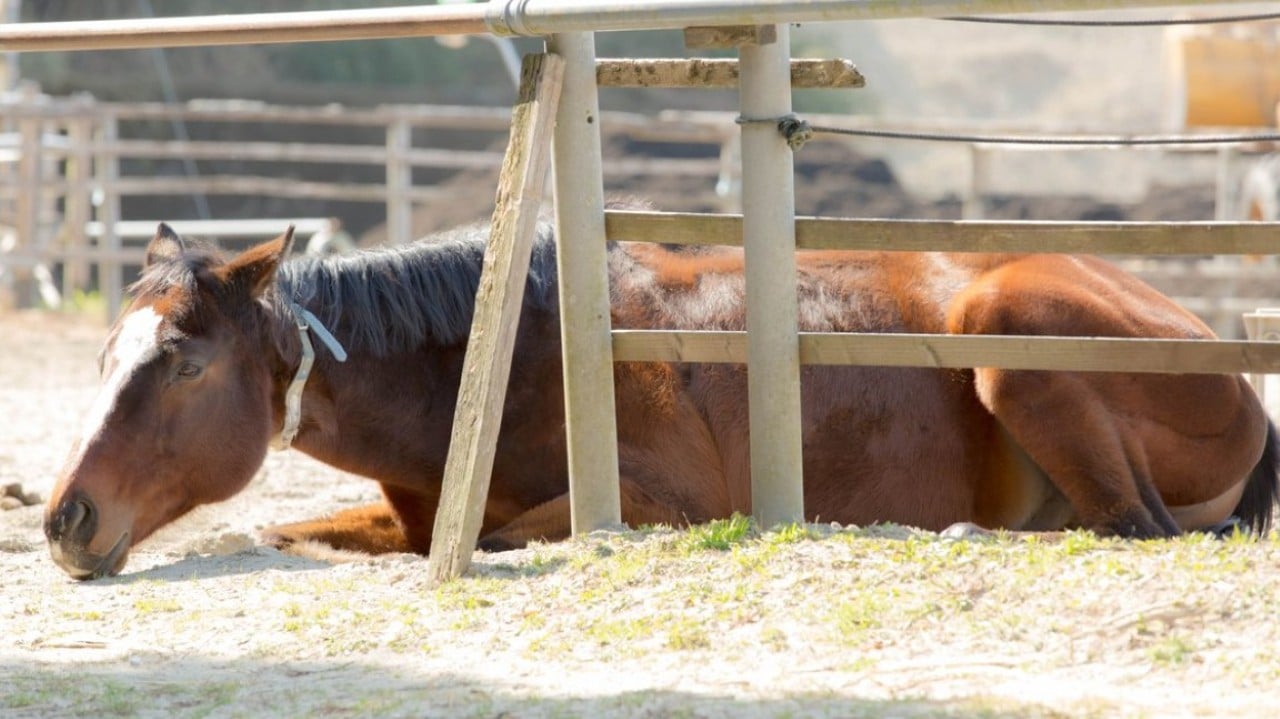 |
The mare Haru Urara, a symbol of persistence and optimism at Japão, passed away in the early hours of September 9, 2025, aged 29. Ela was at Fazenda Martha, in Onjuku, province of Chiba, and succumbed to acute intestinal colic, a common condition in elderly horses. The announcement of his death created an outcry among fans and the horse racing community, both in Japão and internationally.
Born in 1996 in Hokkaido, Haru Urara became known for her remarkable streak of 113 consecutive losses in local races. Sua trajectory on the tracks, from 1998 to 2004, transformed it into an emblem of resilience during a period of economic recession in Japão. The mare, who inspired books, songs and a film, had her global fame renewed with the launch of the mobile game “Uma Musume Pretty Derby” in June 2025.
The main caregiver, Yuko Miyahara, reported that the animal showed the first symptoms of colic on September 8th. Veterinários were immediately called for treatment, but the mare’s condition suddenly worsened during the night. Apesar of advanced age, which would be equivalent to around 90 human years, Haru Urara maintained good physical shape and received regular visits from fans until the days before the fatal episode.
The legacy of a mare that inspired Japão
The story of Haru Urara has transcended the racetrack and has become deeply rooted in Japanese culture. Ela became a talisman of good luck, especially during the economic recession the country was facing in the early 2000s.
The popularity of Haru Urara was a crucial factor in the survival of the Kochi racecourse. With debt and on the verge of closure, the venue saw its fortunes change with media attention and the influx of thousands of spectators who came from all over the country to watch it race. Sua figure generated a wide range of products, from plush toys and keychains to themed sake, which sold out quickly and contributed to the racecourse’s revenue.
Trajectory on the Kochi tracks and breaking records
The mare Haru Urara, whose name means “glorious spring”, came from a promising lineage, being the daughter of the stallion Nippo Teio, winner of elite races. Contudo, she was never sold at auction and was trained for competitions on the farm where she was born. Sua’s debut in November 1998, at Hipódromo of Kochi, resulted in a fifth place among five competitors, marking the beginning of a career without triumphs.
Over the course of six years, she competed regularly, averaging two races a month at low-cost regional events. Esses events were adapted for peripheral racecourses in Japão, far from the elite central races managed by the JRA. Sua routine showed remarkable determination, even without achieving victory.
The moment that catapulted her to national fame occurred in June 2003, when racing announcer Koji Hashiguchi drew press attention to her 80th consecutive loss. Essa coverage turned Haru Urara into a sensation, affectionately dubbed the “losers’ shining star”, drawing crowds to Kochi’s racetrack.
From unlucky symbol to good luck charm
The narrative of Haru Urara has become so powerful that bets bearing his name, invariably losing, have acquired a unique cultural significance. The word “ataranai” in Japanese can mean both “not hitting the bet” and “avoiding collisions.” Assim, Haru Urara betting tickets came to be seen as good luck charms against traffic accidents or layoffs, selling for up to 3,000 yen each.
This peculiar tradition emerged during the “Haru Urara boom” in 2003, a period of economic recession that valued symbols of continued effort and resilience. Além of tickets, products such as plush toys, keychains and t-shirts with his image sold out quickly, outselling even the most prominent champion horse items. Sua story inspired not only commerce, but also the creation of books, songs and a documentary film that chronicled their journey and offered messages of motivation in challenging times.
Life after racing and symbolic victory
After her retirement from official competition in 2004, Haru Urara was transferred to Fazenda Martha in 2013. Lá, she enjoyed a peaceful life, occasionally participating in promotional events. A symbolic milestone in her career occurred in May 2019, when, at the age of 23, she competed in an informal race for retired equines and recorded her only timed victory. Embora Initially discreet, this feat gained prominence years later through online sharing, reinforcing his image of late overcoming and persistence.
Haru Urara’s longevity surprised many experts, as racehorses rarely live past 25 in active conditions. Fatores how a balanced diet, regular veterinary care and a calm environment at Fazenda Martha were crucial for her to reach 29 years old. Sua life extended beyond that of many champions, serving as a testament to the importance of equine care and well-being.
Haru Urara in the digital universe of Uma Musume
The global release of “Uma Musume Pretty Derby” in June 2025 reignited interest in Haru Urara, transforming her into a pop icon for a new generation. In the Cygames game, initially released on Japão in 2021, she is portrayed as an “uma musume” – an anthropomorphic horse girl – with pink hair, an upbeat personality, and a focus on short races on dirt tracks. Sua character, available from the beginning of the game, emphasizes friendship and the spirit of never giving up, contrasting with his reality of defeats, but preserving his essence. The companion anime, with seasons airing since 2018, has further expanded its reach, exploring the dynamics of fictional dorms and competitions.
This digital exposure sparked an outpouring of real support. In July 2025, a viral post about donations of ryegrass via a specialized website crashed the server due to high demand, with more than 2,500 kilos going to her and other retired equines. Similar Iniciativas benefited other horses depicted in the game, such as Meisho Doto and Nice Nature. Global Fãs, attracted by the fusion of reality and fiction, sent messages and gifts, increasing visits to Fazenda Martha by 300% during the summer.
The lasting influence on fans and pop culture
The integration of Haru Urara into the universe of “Uma In the game, “training” gameplay allows players to guide their virtual version to victories, reversing the real record of zero triumphs. Eventos in the game, like Champions Meeting in September 2025, coinciding with his stable health at the time, generated fond speculation about his “eternal runs” in the virtual world. Sua’s death, weeks after that of Grass Wonder (another icon portrayed in the game), shook online communities, who paid tribute highlighting his influence on narratives of resilience and perseverance.



