Draw defines the path of Bahia and Botafogo in the preliminary stages of the Copa Libertadores 2026 By Thiago Lemos
4 min read
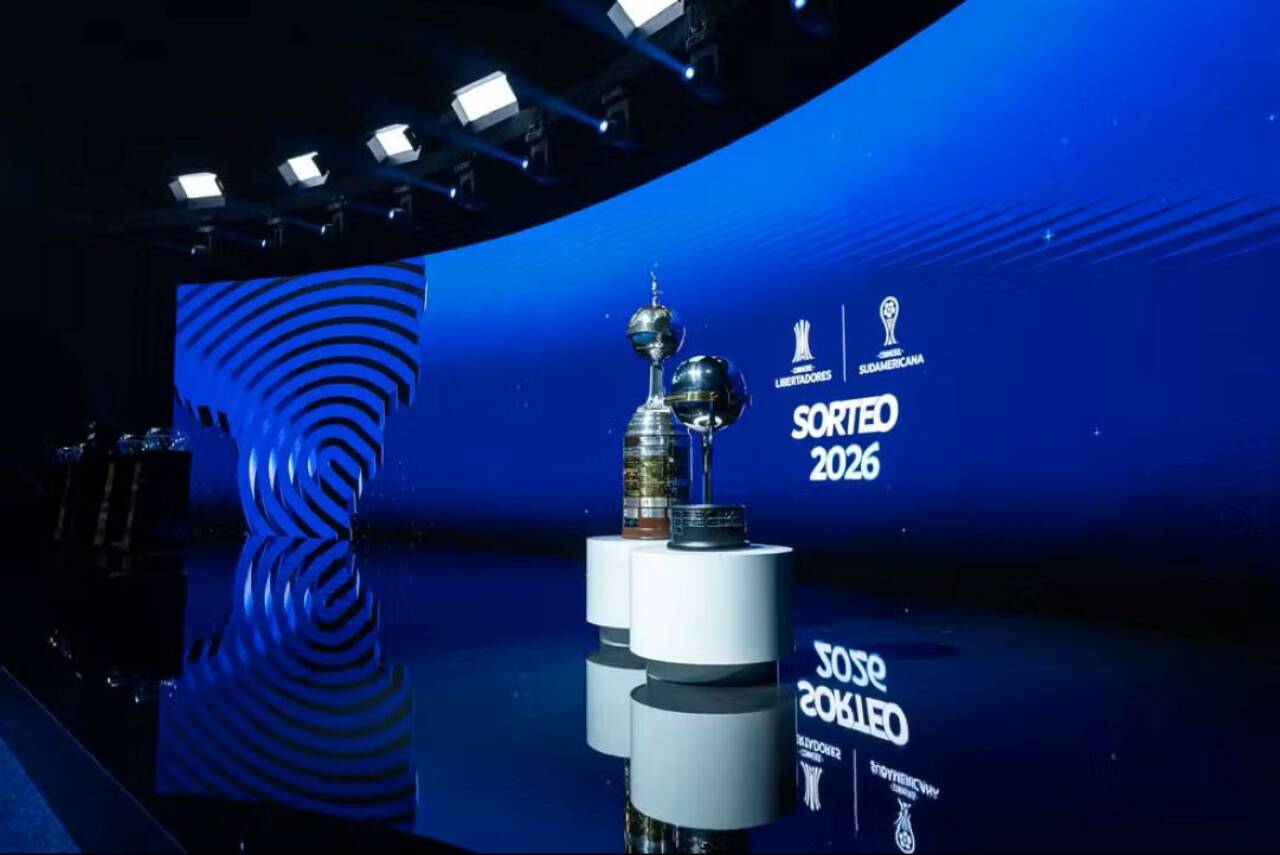 |
Conmebol held the draw for the preliminary stages of Copa Libertadores 2026 this Thursday, at Luque, at Paraguai. Bahia and Botafogo, the only Brazilian representatives at this stage, met their direct opponents in the second knockout phase. Brazilian clubs enter this phase directly and need to overcome two knockout stages to reach the group stage.
The event defined the entire selection of the three previous phases, involving 19 teams in total. Apenas four places are up for grabs to complete the 32 positions in the main stage of the tournament. The duels follow a round-trip format, with tiebreaker criteria based on away goals and penalties, if necessary.
Bahia and Botafogo were in the main pot due to the ranking of Conmebol, which guaranteed control of the field when the second phase games returned. Essa position reflects the clubs’ recent performance in continental and national competitions.
👀🏆 Tudo defined! The games and crosses of CONMEBOL’s Fase Preliminar#Libertadores2026 looked like this.
— CONMEBOL Libertadores (@LibertadoresBR)December 18, 2025
⭐️ A new path through#EternalGlory! pic.twitter.com/aOJZSnbC2j
First phase clashes
The competition starts with three duels involving six teams from smaller associations.
- Representative of Bolívia (The Strongest, Blooming or San Antonio Bulo Bulo) faces Deportivo Táchira, from Venezuela.
- Juventud, from Uruguai, measures forces with Universidad Católica, from Equador.
- 2 of Mayo, from Paraguai, duels against Alianza Lima, from Peru.
The winners advance to the second phase, where they join the pre-classified clubs. Essa stage takes place in the weeks of February 4th and 11th. The classifieds receive generic designations until the exact names are defined.
Opponents of the Brazilians in the second phase
Bahia and Botafogo enter this stage, scheduled for the weeks of February 18th and 25th.
The main clashes include:
- Winner of Juventud or Universidad Católica against Guaraní, of Paraguai.
- Winner of the Bolivian-Venezuelan duel against Tolima, from Colômbia.
- Winner of 2 of Mayo or Alianza Lima against Sporting Cristal, of Peru.
- Representative of Equador (Barcelona or LDU) against Argentinos Juniors, from Argentina.
- Representative of Bolívia against Botafogo.
- Carabobo, from Venezuela, against Huachipato, from Chile.
- O’Higgins, from Chile, against Bahia.
- Liverpool, from Uruguai, against Independiente Medellín, from Colômbia.
The teams on the left decide the return game at home. Bahia faces O’Higgins directly, while Botafogo takes on a Bolivian representative still pending a national definition.
Third phase switching
The third stage, scheduled for March 4th and 11th, has already been mapped out.
The expected duels are:
- Winner of Juventud/Universidad Católica/Guaraní against winner of Liverpool/Independiente Medellín.
- Winner of the Bolivian/Táchira/Tolima duel against the winner of O’Higgins/Bahia.
- Winner of 2 of Mayo/Alianza Lima against winner of Carabobo/Huachipato.
- Winner of the Ecuadorian/Argentinean confrontation Juniors against the Bolivian/Botafogo winner.
This configuration allows for a possible Brazilian confrontation in the third phase, depending on progress. The four winners guarantee a place in the group stage, the draw for which takes place on March 18th.
General tournament dates
The calendar for the preliminary phases follows a tight schedule to integrate the main stage.
The first phase takes place on February 4th and 11th. The second phase takes place on February 18th and 25th, coinciding with the start of national championships in several countries. The third phase is scheduled for March 4th and 11th.
These dates require intense preparation from clubs, including long trips and adaptation to different weather conditions. The group stage starts the week of April 8th.
Brazilian participation in the competition
Brasil has seven vacancies in Libertadores 2026, influenced by performance in Brasileirão and Copa of Brasil.
Flamengo, Palmeiras, Cruzeiro, Mirassol and Fluminense have already secured a direct presence in the group stage. Bahia and Botafogo compete for the remaining places via preliminary phases. The final of Copa of Brasil may change redistributions, but does not affect the preview already drawn.
This distribution reflects the high coefficient of Brazilian football at Conmebol. Clubes like Bahia and Botafogo seek to repeat recent campaigns to strengthen the national ranking.
Format of the knockout stages
The preliminary phases maintain the direct knockout model, with advantages for teams better positioned in the rankings.
Nineteen clubs compete for four places in the group stage. The first phase classifies three teams to complete the grid for the second. In the second phase, 16 teams compete for eight places in the third stage.
The losers of the preliminary rounds automatically transfer to the Copa Sul-Americana. Esse mechanism increases competitiveness and offers a second continental chance.