
Scientists identify 20 km layer of rock that supports Bermuda islands without active volcanism in the Triangle

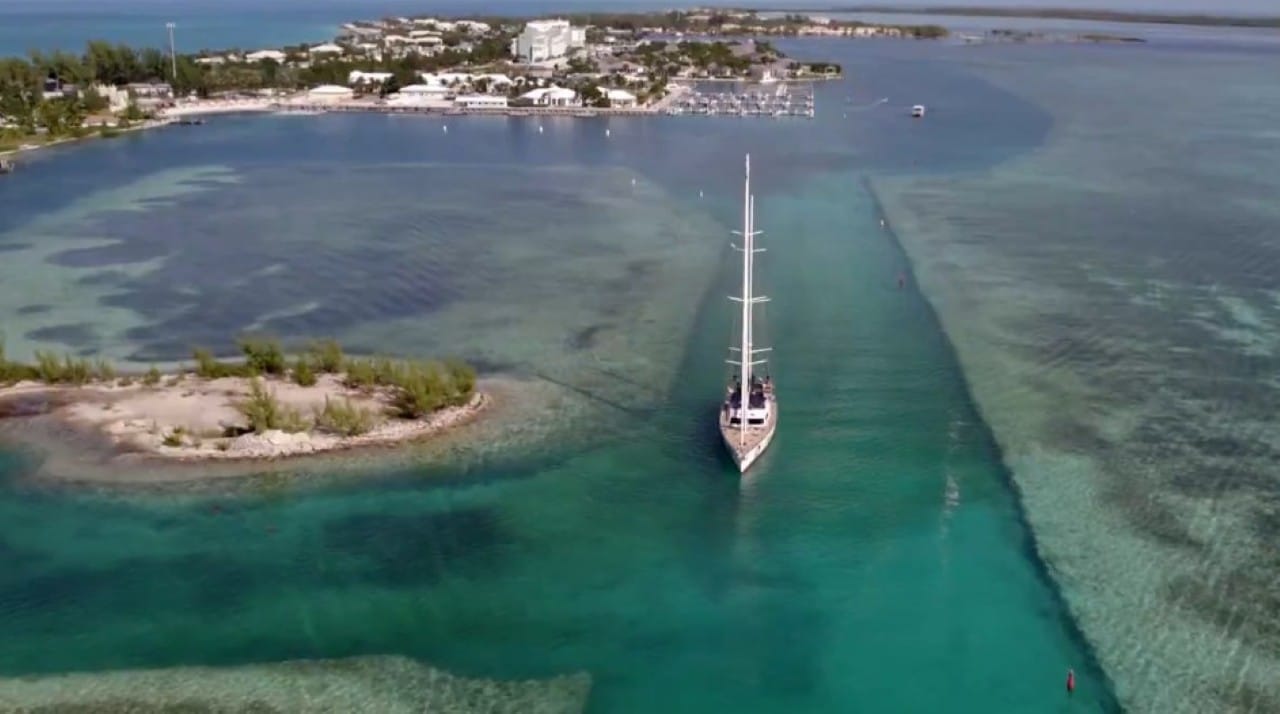
Researchers announced the identification of an unusual geological structure beneath the Bermudas archipelago, located in Oceano Atlântico Norte. Essa layer of rock, about 20 kilometers thick, is slightly less dense than the surrounding material and acts as natural support, maintaining the region’s elevation even after volcanic activity ended more than 30 million years ago. The study, based on seismic analyses, reveals that this formation is positioned between the oceanic crust and the Earth’s mantle.
The discovery explains why the seafloor around Bermudas remains between 400 and 600 meters higher compared to areas neighboring Atlântico. Diferentemente than other volcanic islands, which tend to sink as the crust cools, Bermudas maintain their elevated position thanks to this additional layer. Scientists used seismic wave data from distant earthquakes to map the subsurface to about 50 kilometers deep.
This structure has no connection with historical reports of disappearances in the area known as Triângulo das Bermudas. The research focuses exclusively on the geology of the region, highlighting a rare process of support without the need for active heat sources in the mantle.
Methods used in the research
The researchers analyzed records of hundreds of global earthquakes captured by a permanent seismic station in the Bermudas. Essa technique made it possible to identify variations in the speed of seismic waves as they passed through different rock layers. The approach revealed discontinuities that indicate the presence of the anomalous layer just below the crust.
Under normal conditions, the oceanic crust rests directly on the mantle, with no thick intermediaries. In the case of Bermudas, this configuration differs significantly, making the region a unique case among oceanic islands. The processed data confirms that the thickness of 20 kilometers is greater than that observed in similar formations in other locations.
Origin of the rock formation
The layer probably formed during the Bermudas period of volcanic activity, between 30 and 35 million years ago. Parte of the rising magma did not reach the surface and accumulated below the crust, where it cooled and solidified. Esse remaining material, less dense than the surrounding mantle, creates a buoyancy effect similar to that of light materials on dense materials.
Calculations indicate that the difference in density, although small, is enough to sustain the elevation over millions of years. Essa structure functions as an integrated base to the tectonic plate, maintaining isostatic balance without current thermal intervention.
- Formation occurred by injection of mantle material into the crust.
- The cooling generated a stable rock platform.
- There is no evidence of an active mantle plume in the region.
- Comparisons with islands like Havaí highlight the anomaly of Bermudas.
Comparison with other oceanic islands
Many volcanic islands depend on hot mantle plumes to maintain their elevation, such as the Havaí archipelago. In Nessas areas, the movement of the tectonic plate away from the hot spot leads to the gradual sinking of the cooled crust. Nas Bermudas, however, the absence of recent volcanism has not resulted in significant subsidence.
The identified layer is approximately twice the thickness observed in typical underplating of other islands. Essa characteristic explains the persistence of the oceanic swell, a broad elevation of the seabed. Pesquisas future plans intend to verify whether similar structures exist in other archipelagos.
Implications for terrestrial geology
Understanding extreme cases like Bermudas helps distinguish common from rare geological processes. The discovery reinforces that not all ocean rises require active deep heat sources. Ela contributes to more accurate models of lithosphere dynamics in ancient oceanic plates.
The reduced density of the layer, estimated at around 50 kg/m³ less than the adjacent mantle, generates enough support for hundreds of meters of elevation. Esse static mechanism differentiates Bermudas from dynamic thermal swells in other regions.
Features of the discovered structure
The layer has a composition compatible with solidified material of mantle origin. Sua position within the tectonic plate makes it an integral part of the local lithosphere. Análises indicate that it extends for tens of kilometers horizontally, influencing the regional topography.
- Approximate thickness: 20 kilometers.
- Location: Abaixo of the oceanic crust.
- Density: Ligeiramente lower than the surrounding mantle.
- Main effect: Sustentação from 400 to 600 meters elevation.
This formation represents a legacy of ancient volcanism, preserved without significant changes throughout geological time.
Historical context of the region
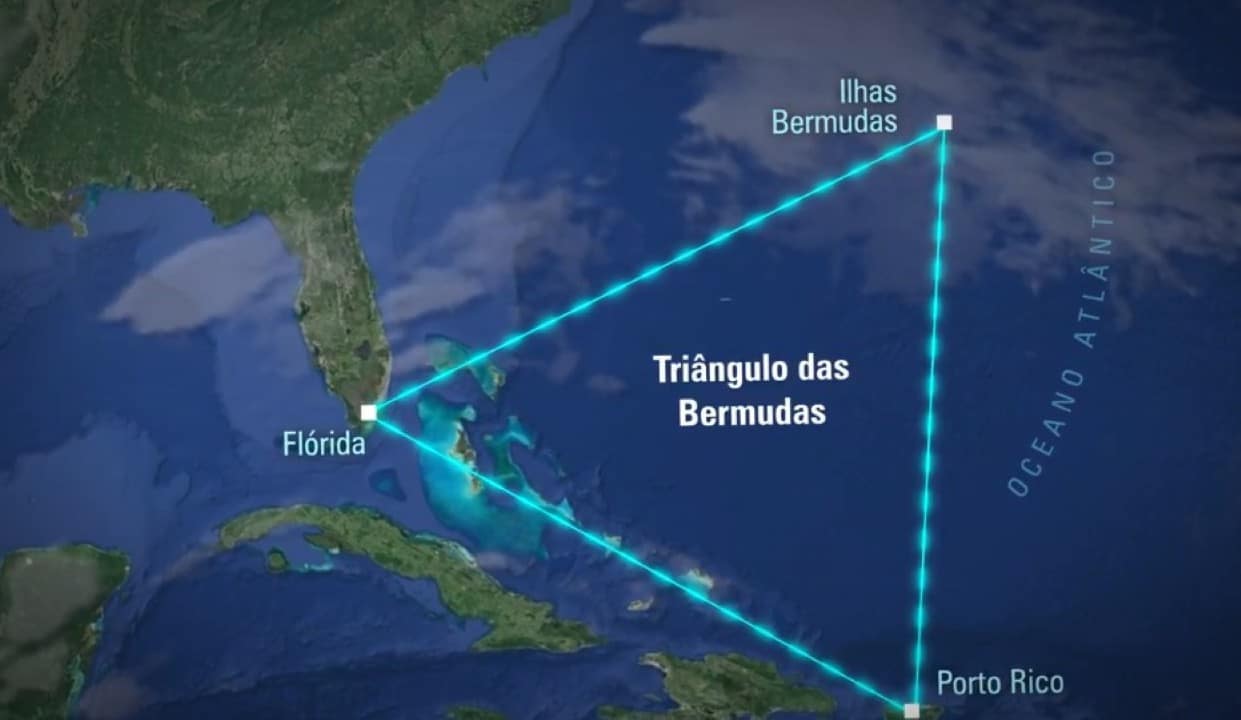
The Bermudas occupy one of the vertices of the area informally delimited as Triângulo of the Bermudas, known for reports of maritime and air incidents in the 20th century. The new geological discovery reinforces that the region’s real enigmas lie deep underground.
The British archipelago remains a persistent anomaly in the Atlântico Norte. Estudos Advanced seismic surveys continue to reveal details about their unique stability.



