
US Department of Justice releases thousands of Jeffrey Epstein files with photos of public figures By Luís Henrique Costa
4 min read
 |
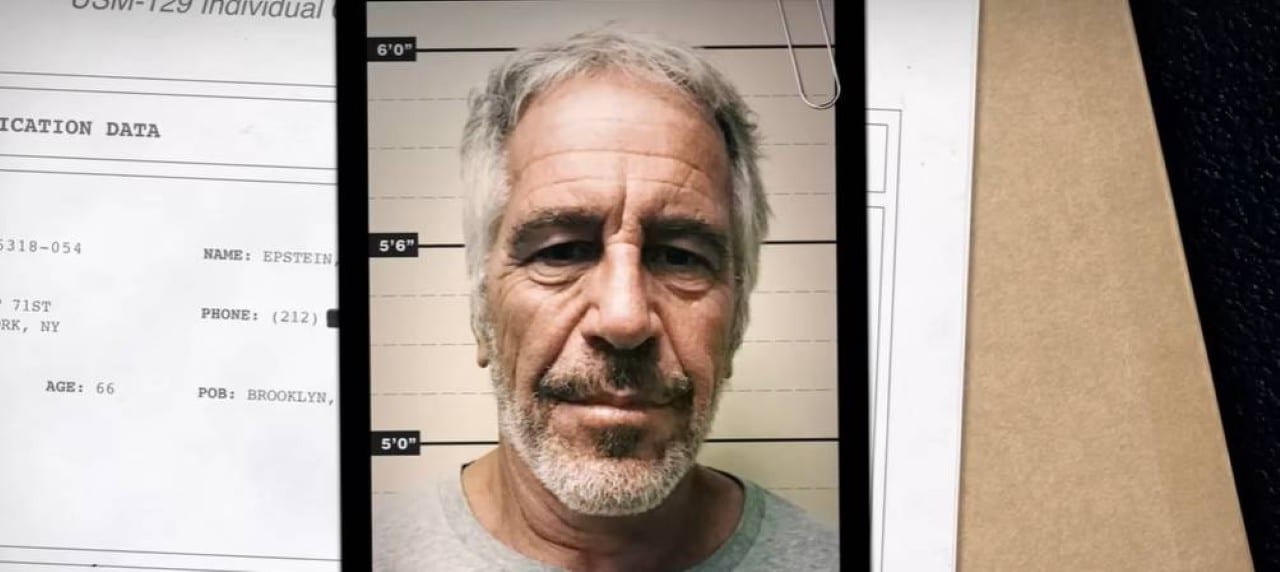
Departamento of Justiça of Estados Unidos began releasing thousands of pages of documents related to investigations into Jeffrey Epstein this Friday, December 19th. The release partially complies with a law passed by Congresso and signed by President Donald Trump, which established the deadline for making public unclassified materials about the financier convicted of sexual crimes.
The files include photographs of public figures such as former president Bill Clinton, musician Michael Jackson and singer Mick Jagger, as well as images involving Ghislaine Maxwell and former prince Andrew Mountbatten-Windsor. The presence in photos or mentions in documents does not imply irregularity, and many of those identified denied any involvement in illicit conduct.
Deputy Attorney General Mais materials should be released in the coming weeks.
More than 200 lawyers from the department review documents to apply appropriate redactions. Blanche highlighted in a letter to Congresso that more than 1,200 victims or family members had been identified, justifying the protection of sensitive information.
Initial release details
The documents made available include court records, investigation reports and photographs seized during federal investigations. Parte of the material was already known from previous processes, but new batches bring images and communications that expand the context of Epstein’s relationships.
One photo shows Andrew Mountbatten-Windsor in a relaxed position next to people with redacted faces, with Ghislaine Maxwell in the background. Outras images capture Epstein at social events with celebrities, reinforcing his extensive network of contacts.
The transparency law prohibits holds based on embarrassment or political sensitivity, but allows exceptions for ongoing investigations or protecting victims. The department has created a dedicated online section for public access to the files.
Context of the transparency law
Congresso approved Epstein Files Transparency Act in November, following bipartisan debates about the need for greater access to government information. Trump sanctioned the measure, which required full disclosure within 30 days.
Pressure from victims and parliamentarians accelerated the process, especially after previous partial disclosures by Comitê of Supervisão of Câmara. Democratas released additional photos in the preceding days, increasing public anticipation.
The legislation covers material about Epstein, Maxwell and alleged connections, including investigations into his death in 2019, ruled a suicide. The department emphasized a commitment to transparency, but prioritizing the safety of survivors.
Photographs and figures mentioned
The images released depict Epstein in varied social interactions, including with Bill Clinton in different contexts. One photo shows Clinton in a relaxed atmosphere, while others capture moments with artists like Michael Jackson.
Records include contacts and calendars that list prominent names, with no new evidence of crimes. The department warned that inadvertent disclosures of victim information may occur despite redaction efforts.
- Bill Clinton appears in several social photos.
- Michael Jackson and Mick Jagger in event images.
- Ghislaine Maxwell in photo with Andrew Mountbatten-Windsor.
- Redactions protect identities of potential victims.
Political reactions to the disclosure
Democrats in Senado and Câmara criticized the partial release, alleging a violation of the law that required all materials by the deadline. Senator Dick Durbin questioned full compliance, pointing to selective protection standards.
Republicans highlighted the progress in transparency compared to previous administrations. Casa Branca defended the action as a demonstration of commitment to justice for victims.
Bipartisan lawmakers monitor upcoming releases, with promises of legal action if there are unwarranted withholdings. Vítimas expressed hope for greater accountability through archives.
Protection of victims in documents
The department identified an extensive list of victims and family members, applying broad redactions to avoid exposure. Materiais with images of abuse or active investigations remain retained.
Blanche explained that the volume of pages requires detailed reviews by a specialized team. The priority is to balance transparency with survivor privacy.
Efforts include page-by-page analysis to comply with legal exceptions. Mais out of 1,200 protected names reflect the scale of the allegations against Epstein.
Next steps in publicity
Departamento of Justiça plans to release additional batches in the coming weeks, completing the pending review. The official website will serve as the central repository for downloads.
Congress will receive a report on retained categories and applied wordings. Monitoramento continues to ensure adherence to the law.
Expected updates include transcripts and evidence from investigations into Nova York and Flórida. The process aims to close gaps in public information about the case.
Key elements of the released files
The documents cover periods from initial investigations in 2006 to the 2019 federal arrest.
- Flight records and telephone contacts.
- Photographs of properties and events.
- Redacted witness statements.
- Materials from the investigation into the death of Epstein.
The disclosure reinforces known details about the Epstein network, without introducing new accusations against third parties so far.
Implications of expanded transparency
The release meets long-running demands for access to federal files on one of the most notorious cases of sexual exploitation. Vítimas see an opportunity to validate reports.
The lawsuit highlights challenges in balancing public interest with legal protections. Futuras disclosures may clarify investigative connections and decisions.
Authorities maintain a focus on justice for those affected, prioritizing careful reviews.



