
Lindomar Castilho, bolero king convicted of murdering ex-wife Eliane de Grammont, dies

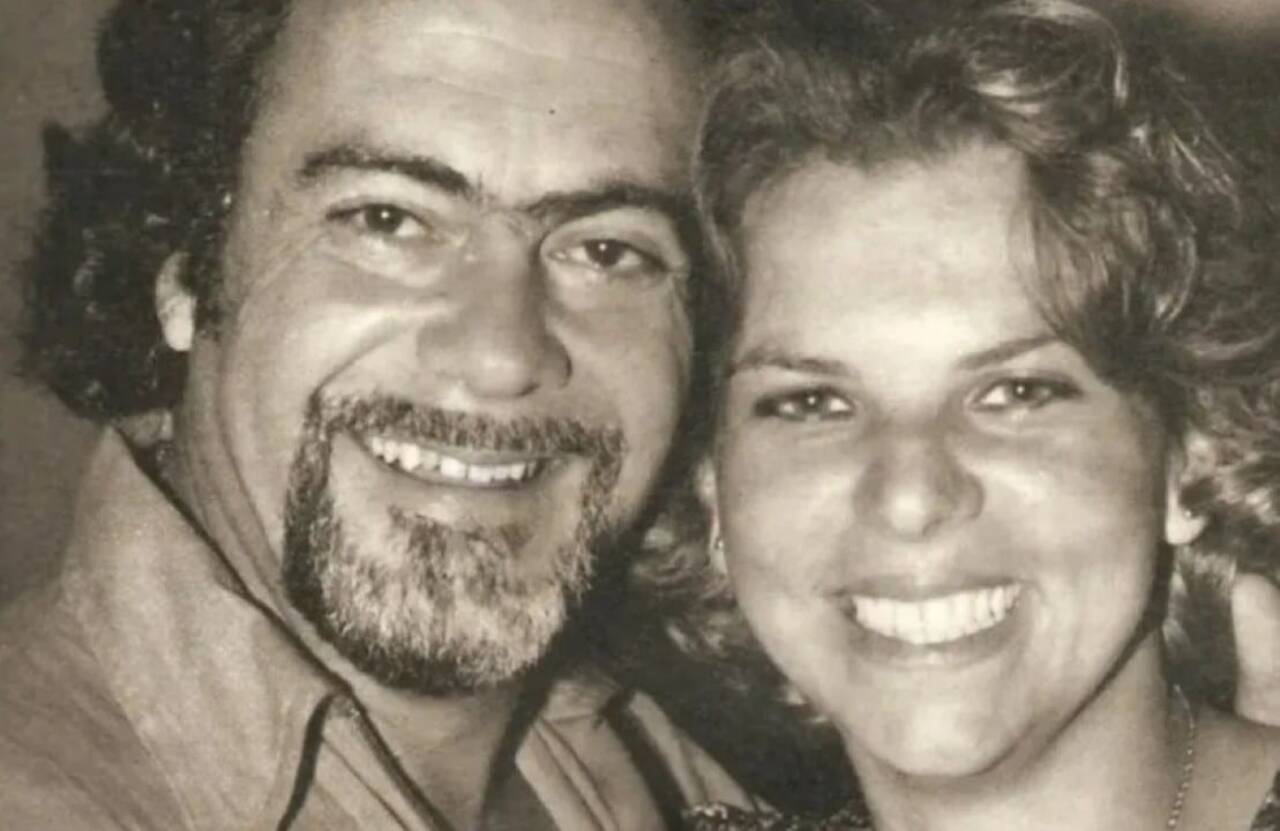
Singer Lindomar Castilho, known as the king of bolero and author of hits such as “Você É Doida Demais”, died at the age of 85 this Saturday, December 20, 2025. The information was confirmed by his daughter, Lili De Grammont, through a post on social media. Ela related the death to her father’s violent past, who in 1981 committed the murder of her mother, also singer Eliane from Grammont.
Lindomar Castilho built a consolidated career in the 1960s and 1970s, with millions of records sold at Brasil and abroad. The artist was born in Rio Verde, Goiás, in 1940, and adopted the stage name when he started playing music. Sua trajectory, however, was marked by the crime that shocked the country more than four decades ago.
The cause of death was not disclosed by the family. Castilho lived privately in Goiás in recent years, away from the stage since the early 2000s.
Musical trajectory of the bolero king
Lindomar Castilho began his career in 1962 with the album “Canções que Não Se Esquecem”, performing romantic classics. Ele quickly gained popularity with boleros and sambas-canção, scoring hits that dominated the charts.
The singer released more than 30 albums throughout his life, many with international success. Músicas as “I Amo to Sua Mãe” and “Tapas and Beijos” consolidated his image as a dramatic and emotional performer.
Relationship and 1981 crime
Lindomar met Eliane from Grammont in 1977 in the corridors of the RCA record company, at Rio from Janeiro. Eles got married in 1979 and had daughter Lili, born the following year.
The marriage lasted a short time due to episodes of jealousy and aggression, worsened by alcohol consumption. Eliane requested separation and resumed performing in São Paulo’s nightclubs, accompanied by guitarist Carlos Randall, Lindomar’s cousin.
In the early hours of March 30, 1981, Lindomar broke into Café Belle Époque, in the capital of São Paulo, and shot Eliane five times while she was singing “João e Maria”, by Chico Buarque. Ela was hit and died on the way to the hospital, aged 26. Randall was also shot, but survived.
The singer tried to escape, but was detained by local patrons. Preso caught in the act, he claimed at the time to have acted under violent emotion.
- The crime mobilized feminist movements across the country.
- The motto “who loves does not kill” emerged as a response to domestic violence.
- Protests occurred during the trial, demanding strict punishment.
- The case became a symbol of the fight against feminicide in Brasil.
Trial and period in prison
Lindomar Castilho was tried in 1984 by a popular jury in São Paulo. Ele received a sentence of 12 years and two months for qualified homicide.
The singer served part of his sentence in a closed regime until 1986, before moving to a semi-open regime. Durante the detention in prison of Goiânia, recorded the album “Muralhas da Solidão”.
He was finally released in 1996. After leaving prison, he tried to resume his career promptly.
Return to the stage and retirement
In 2000, at the request of her daughter Lili, Lindomar released the album “Lindomar Castilho ao Vivo”, with reinterpretations of old hits. The album received moderate reception from the public.
The singer faced health problems in the following years, including a diagnosis of Parkinson that affected his vocal cords. Ele decided to permanently retire from the stage around 2005.
In recent years, he lived in seclusion in Goiânia, away from public exposure. In sporadic interviews, he mentioned that he no longer sang even in private moments.
Daughter’s outburst Lili De Grammont
Lili De Grammont, choreographer and psychologist, announced her father’s death with a reflective text on social media. Ela highlighted the complexity of family relationships marked by crime.
The daughter emphasized that the violent act destroyed not only her mother’s life, but also her father figure. Lili mentioned vanity and narcissism as factors that led the father to go astray.
She reflected on forgiveness as a process that is not simple, involving layers of pain and personal evolution. In the text, he wished healing for his father’s soul and transformation of traits such as toxic masculinity.
Lili grew up motherless and with her father imprisoned as a child. Ela resumed contact with him as a teenager, after understanding the facts of the crime.
The relationship remained distant, but with ties preserved over the years. Lili transformed family history into art, creating the award-nominated show “Memories in Conta Gotas”.
Singer’s divided legacy
Lindomar Castilho left a romantic repertoire that influenced generations of brega and bolero music listeners. Suas recordings continue to be present in compilations and digital platforms.
The 1981 crime, however, overshadowed artistic achievements and made the name synonymous with violence against women. The case remains a reference in discussions about feminicide in Brasil.
The singer’s death reignites debates about the consequences of violent acts on families and society. Lili concluded the outburst by reinforcing human finitude and the importance of seeking vulnerability and authenticity.



