General Motors electric vehicle production in Ceará gains momentum with Spark EUV By Luís Henrique Costa
5 min read
 |
Pace, a company responsible for assembling electrified vehicles, began operations in 2025 in the former Troller factory, located in Horizonte, in Ceará, marking the return of automotive production to the state after a period of inactivity. The unit, now renamed Polo Automotivo from
The inauguration ceremony was attended by authorities and executives from General Motors, highlighting the strategic importance of the project for the local economy and for the development of sustainable mobility in the country. The project aims to meet the growing demand for more efficient vehicles with a lower environmental impact, in line with global trends in the sector.
The plant, which operates in a multi-brand model, has an initial capacity of 10 thousand units per year, dedicated exclusively to electrified vehicles. Há a projection of significant expansion to up to 80 thousand units per year over the next five years, driven by an initial investment of R$400 million in modernization and sustainable production lines.
Start of assembly and industrial modernization
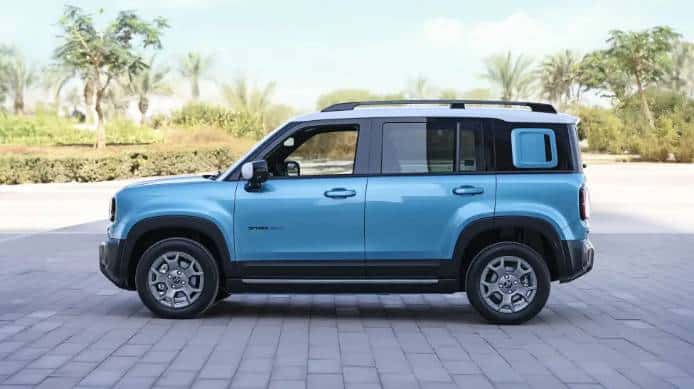
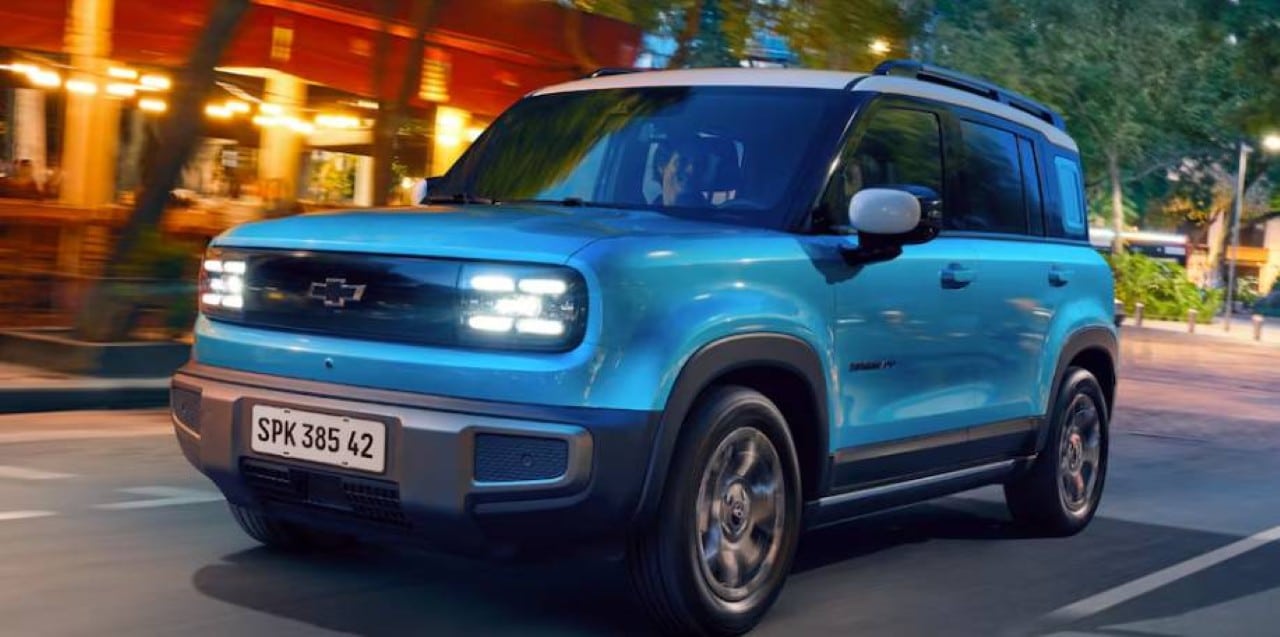
Assembly of the Spark EUV began on an SKD basis, with kits imported from China being completed locally. Essa approach accelerates the production process and allows us to quickly meet the demands for affordable electric vehicles on the market. The transition from the old Troller factory, which produced combustion jeeps, to the assembly of electric vehicles required significant adaptations to infrastructure and processes.
New equipment was installed to increase the plant’s operational efficiency, guaranteeing the quality of the vehicles produced. Comexport manages licensing for multiple brands, maintaining strict quality control on the part of manufacturers. The initial focus remains on compact models destined for the national market.
Fiscal stimuli drive new investments
The Regime Automotivo of the Nordeste offers reductions in taxes such as IPI and ICMS for plants installed in the region. Esses tax benefits, extended until 2032, reduce production costs by up to 20%, making the operation more competitive. Montadoras are able to avoid high import tariffs by opting for local assembly.
The strategic location in Horizonte facilitates logistics for future exports, with the aim of achieving high national content in vehicles. The state government offers support with infrastructure counterparts, strengthening the business environment. Essa structure allows it to compete with industrial hubs in Sudeste, even attracting Chinese groups interested in expanding their presence.
Advanced negotiations involve three additional brands to begin production in 2026. The multi-brand model adopted by Pace reduces risks for new entrants in the Brazilian automotive market, allowing the sharing of structure and expertise.
Diversification of the line to SUVs and hybrid models
Pace plans to include electric SUVs, such as the Captiva EV, from the second half of 2026 into its production line. Este model, with a projected range of 400 km, aims to meet the growing demand for sports utility vehicles in the electrified vehicle segment. Initial production for this specific segment is estimated at 5 thousand units annually.
Other hybrid models are also under discussion with partners interested in using the Polo Automotivo structure of Ceará. The plant’s total capacity was designed to accommodate parallel assembly lines without interruptions, optimizing the use of resources. Investimentos in local batteries and components are being explored to strengthen the supply chain and increase the nationalization of vehicles.
Job creation and professional qualification
The assembly operation in Horizonte creates 255 immediate direct jobs in the initial phase, injecting dynamism into the local economy. Projeções indicate the generation of up to 9 thousand indirect jobs over the next five years, benefiting a vast network of regional suppliers and services. Specific Treinamentos are offered to prepare the local workforce for the complexities of assembling electric vehicles.
Partnerships with local educational and technology institutions are being established to train technicians and engineers specialized in automotive electrification. Agência of Desenvolvimento of Estado of Ceará (Adece) coordinates these qualification programs. The reactivation of the factory boosts the economy by Horizonte, with a focus on the continuous qualification of workers.
The multi-brand hub model distributes the benefits of job creation among different production lines. Isso contributes to job stability, even in the face of possible fluctuations in demand for a specific brand, ensuring a more resilient work environment.
Agreements with global manufacturers
Comexport advances in strategic agreements with Chinese groups to assemble additional models at the Ceará unit. A partnership has already been signed for 2026, involving the production of a hybrid compact SUV. Além In addition, two other negotiations are underway, focused on premium segment electric vehicles, demonstrating the hub’s potential to attract.
These arrangements use Pace’s shared infrastructure, which promotes greater operational efficiency and reduces the need for large isolated investments in their own plants by brands. Ceará, therefore, positions itself as a viable and attractive alternative to the traditional automotive hubs of Sudeste, offering a favorable business environment. The strategy includes the transfer of technology and technical knowledge to the Brazilian supplier network. Esse process aims to increase local content in the first models to approximately 35%, strengthening national industry and technological expertise.
Promising scenario for electric mobility
Local production of electric and hybrid vehicles has the potential to reduce prices for consumers by up to 15%, thanks to tax incentives and optimization of the logistics chain. The Chevrolet Spark EUV, for example, appears as a direct competitor for imported electric vehicles of Chinese origin. Sales of electrified vehicles in the country registered a growth of 40% in 2025, indicating a favorable market trend.
The expansion of Pace’s operations directly contributes to the national goal of reaching 20% electric vehicles in the fleet by 2030. Integration with the growing network of chargers and the dissemination of information about the technology accelerate the adoption of these vehicles. The Ceará automotive hub is thus integrated into the global chain of automakers.
Assembly in Horizonte begins a new cycle of reindustrialization in the Nordeste region. With a focus on efficiency and sustainability, the plant meets demands for affordable and environmentally friendly vehicles, driving innovation.