
Niigata approves resumption of world’s largest nuclear plant in Kashiwazaki-Kariwa after Fukushima in Japan

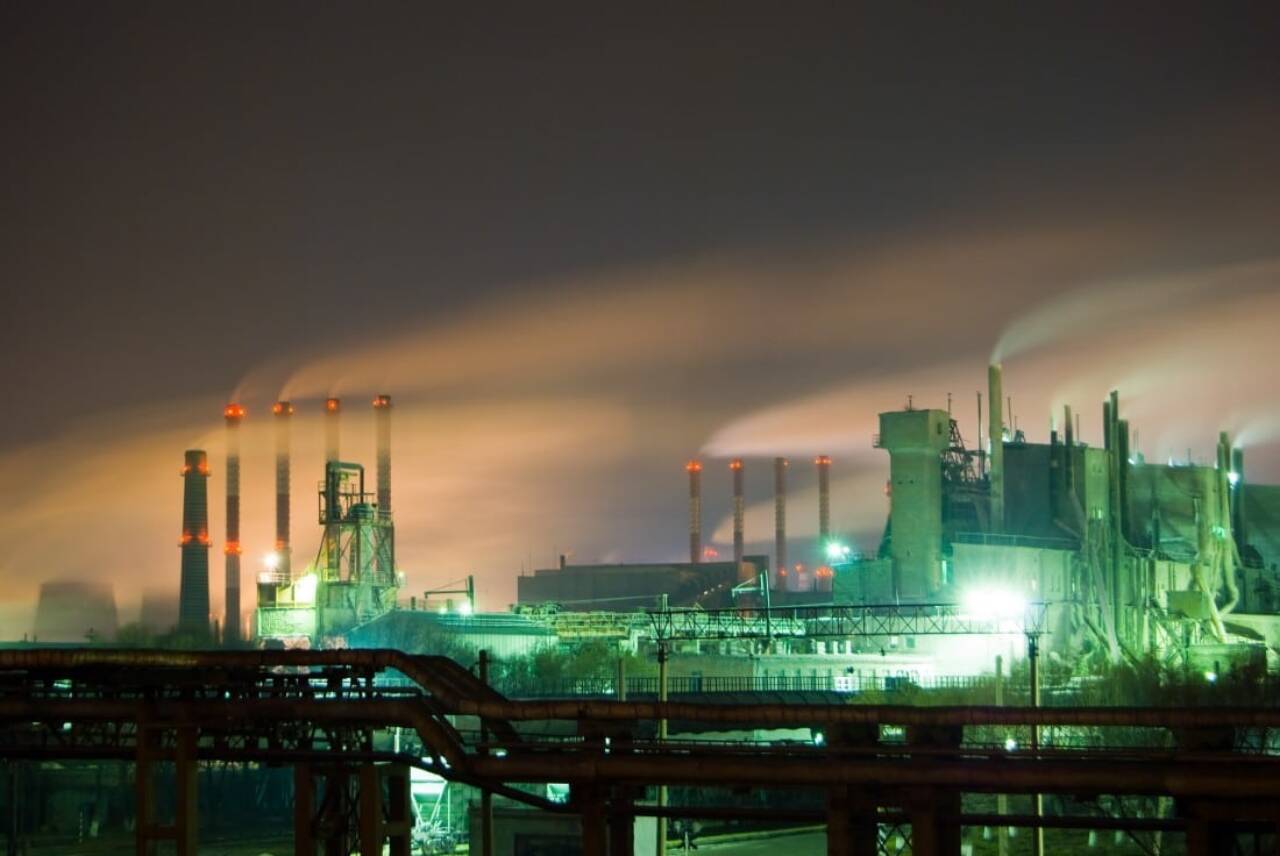
The assembly of the province of Niigata approved this Monday, December 22, 2025, a vote of confidence in governor Hideyo Hanazumi, who had expressed support for the resumption of operations at the Kashiwazaki-Kariwa nuclear plant. Essa decision removes the last significant political obstacle for Tokyo Electric Power Company (Tepco) to begin reactivating reactors at the largest nuclear power plant on the planet, located about 220 kilometers northwest of Tóquio.
The plant, with a total capacity of more than 8 thousand megawatts, has remained inactive since the 2011 earthquake and tsunami, which caused the disaster in Fukushima Daiichi. Kashiwazaki-Kariwa has seven reactors and represents an important step in Japan’s strategy to strengthen energy security by reducing dependence on fossil fuel imports.
Japão has already restarted 14 of the 33 reactors considered operational in the country since the Fukushima accident. The restart at Kashiwazaki-Kariwa will be the first carried out by Tepco since 2011, the company responsible for managing the plant affected by the disaster.
- The plant can increase the electricity supply to the Tóquio region by around 2% with the initial activation of a reactor.
- Tepco plans to start operating the first reactor possibly in January 2026.
- Security measures have been reinforced following rigorous inspections carried out in recent years.
Voting in Niigata and local demonstrations
The vote took place in a session of the provincial assembly, where support for governor Hanazumi prevailed despite criticism from opponents. Alguns lawmakers argued that the decision does not fully reflect the opinion of local residents.
Around 300 protesters gathered in front of the assembly building in low temperatures. Eles displayed posters with messages against nuclear energy and in support of the victims of Fukushima.
The participants, mostly elderly, sang traditional songs during the protest. One of the protesters publicly questioned Tepco’s ability to safely manage the plant.
Position of residents and investments in Tepco
Recent polls indicate division in local public opinion about the resumption. An October poll showed that 60% of residents of Niigata considered that the conditions for reactivation were not yet fully met.
Almost 70% expressed concern about the operation by Tepco, the company involved in the Fukushima accident. Moradores like Ayako Oga, evacuated from the affected area in 2011 and now resident in Niigata, participated in the protests highlighting persistent risks.
Tepco announced an investment of 100 billion yen in the province over ten years. Esses resources aim to support regional development and strengthen security measures.
The company’s spokesperson, Masakatsu Takata, reiterated its commitment to preventing accidents similar to that of Fukushima. The company underwent multiple inspections and upgrades to the plant’s systems.
National energy strategy and future demands
The Japanese government prioritizes the expansion of nuclear energy to balance the electrical matrix. Last year, the country spent about 10.7 trillion yen on imports of liquefied natural gas and coal.
These fuels account for 60% to 70% of current electricity generation. The established goal is to increase nuclear participation to 20% by 2040, doubling the recent level.
Demand for energy is expected to grow in the coming years due to the expansion of data centers for artificial intelligence. Ministério of Comércio estimates positive impacts on supply with the resumption of reactors such as those at Kashiwazaki-Kariwa.
Prime Minister Sanae Takaichi, sworn in two months ago, defends reactivation to contain import costs and meet decarbonization commitments.
Post-Fukushima evolution in the Japanese nuclear sector
After the 2011 disaster, all 54 operating nuclear plants were decommissioned for safety assessments. Japão adopted more stringent standards, resulting in the gradual restart of units in other regions.
Kashiwazaki-Kariwa has undergone specific improvements, including reinforcements against intrusions and natural disasters. Outras operators, such as Kansai Electric Power, announced studies for new units in the west of the country.
Experts consider local acceptance in Niigata a milestone for the sector. Incident-free operation may facilitate future resumption at other plants.
Safety measures implemented at the plant
Tepco has carried out extensive upgrades to the seven reactors at Kashiwazaki-Kariwa. Essas include improved protection systems against earthquakes and tsunamis, common in the coastal region.
Nuclear regulatory authority inspections confirmed compliance with post-2011 standards. Planos evacuation facilities for nearby residents have been revised and expanded.
The company maintains dialogue with local communities for continuous monitoring. Treinamentos regular ones involve emergency teams and provincial authorities.
Expert reactions and regional perspectives
Analysts from the consultancy firm Wood Mackenzie highlight the importance of recovery for long-term goals. Joshua Ngu, vice president for Ásia-Pacific, noted that the case represents a critical advance in public trust.
Governor Hanazumi expressed a desire to gradually reduce nuclear dependence in the future. Ele emphasized the need for energy sources that do not generate anxiety in the population.
Residents evacuated from Fukushima, now in Niigata, reinforce calls for caution. Eles share experiences of the 2011 disaster in demonstrations and public debates.
- Reactors 6 and 7 are prioritized for initial reactivation due to their capacity of 1,356 megawatts each.
- The plant occupies an area of 400 hectares on the coast of Mar of Japão.
- Protests included banners calling for continued support for victims of Fukushima.
- Tepco investments include promoting local industries and creating jobs.
Historical context of the Kashiwazaki-Kariwa plant
Built in the 1980s and 1990s, the plant became the largest in the world in terms of installed capacity. Antes of 2011, provided significant energy to the region of Tóquio.
An earthquake in 2007 caused minor damage, leading to temporary shutdowns and structural reinforcements. The plant did not suffer direct impacts from the 2011 tsunami, but was deactivated as a national precaution.
Tepco faced temporary operational bans for security breaches in the following years. Essas were raised after corrections and independent audits.
The decision to take Niigata marks the transition to the operational phase after years of technical preparations. Autoridades monitor the process to ensure adherence to updated protocols.



