
BYD’s Sealion 6 PHEV launches in Japan with competitive prices and extended range By Jeronimo Santos
5 min read
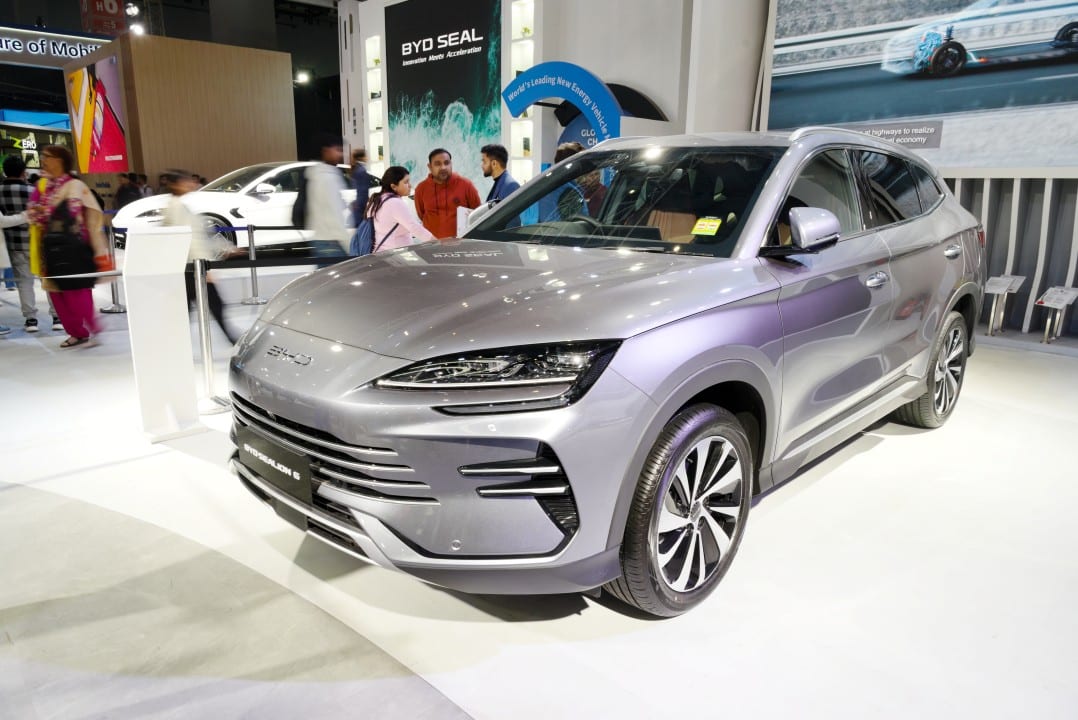 |
Chinese automaker BYD has begun marketing the Sealion 6, its first plug-in hybrid vehicle (PHEV), in the Japanese market from December 2025. The midsize SUV incorporates the brand’s fifth-generation DM-i technology, designed for high electrical efficiency and low fuel consumption in the combined cycle. The Este launch establishes direct competition with the Mitsubishi Outlander PHEV, which is an already consolidated model in the plug-in hybrid category in the country.
Deliveries of the front-wheel drive (FWD) version of the Sealion 6 are scheduled for the end of January 2026, while the all-wheel drive (AWD) configuration will reach Japanese consumers in March of the same year. The introduction of this model represents a significant step for BYD, expanding its offering beyond the 100% electric vehicles that the company has already been selling in the Japão since 2023.
BYD’s strategy in prioritizing plug-in hybrids aims to meet the specific demands of the local market, where the charging infrastructure for fully electric vehicles still has limitations. Para adapts to Japanese preferences, the Sealion 6 received adjustments to the suspension and acoustic insulation, as well as improvements to rear seat comfort and the reduction of internal vibrations.
BYD’s strategic expansion in the Japanese market
The arrival of the Sealion 6 to the Japão reinforces BYD’s global approach to offering electrified mobility solutions adapted to different market realities. The decision to introduce a PHEV at this time demonstrates the automaker’s flexibility in dealing with the nuances of infrastructure and technological acceptance in each region. The company has a robust track record in producing hybrid vehicles, which complements its leadership in electric cars.
This strategic move also positions BYD as a brand that not only competes but also innovates in key segments of the Japanese automotive market. By offering a model with advanced technology and a competitive price, BYD seeks to attract consumers looking for an efficient and modern alternative to established vehicles, without giving up the practicality of a hybrid system.
Design and dimensions comparison
The BYD Sealion 6 measures 4,775 mm in length, 1,890 mm in width and 1,670 mm in height, with a wheelbase of 2,765 mm. Suas lines are smooth and fluid, in line with the visual identity of BYD’s Ocean series, giving the vehicle a modern and aerodynamic appearance, optimized for energy efficiency.
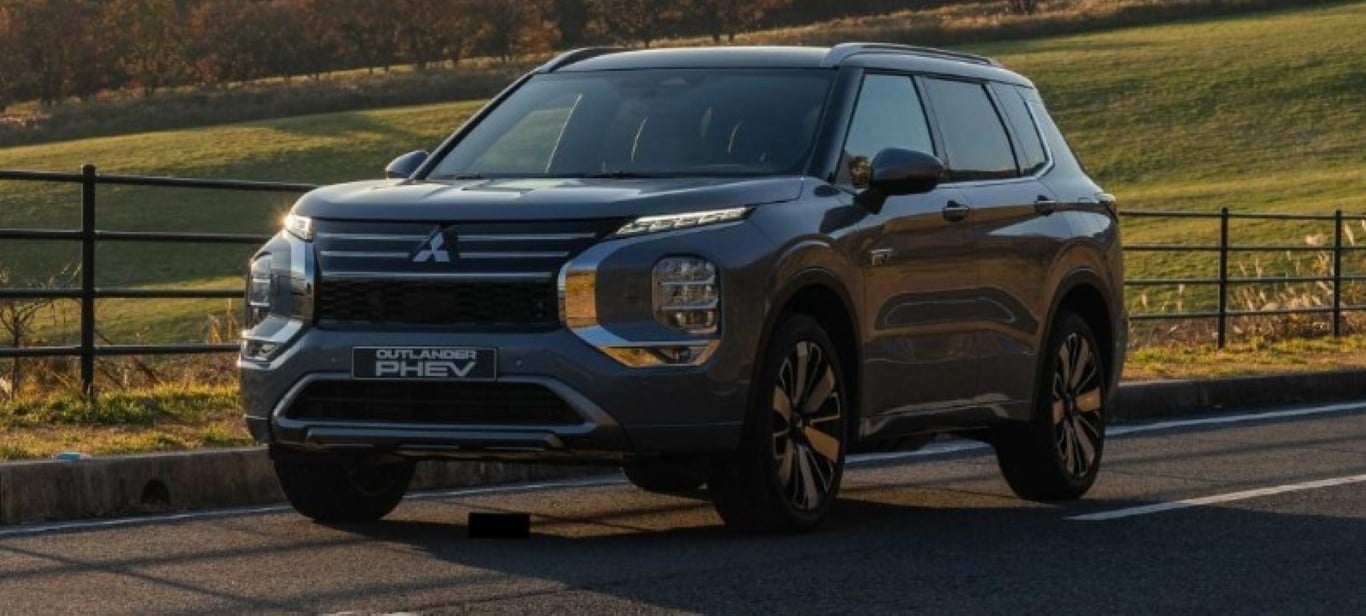
In contrast, the Mitsubishi Outlander PHEV adopts a more rectangular and elevated shape, characterized by the Dynamic Shield front grille, which gives it a striking visual identity. Essa configuration results in an imposing and robust appearance, an attribute often valued by Japanese buyers seeking a strong visual presence in urban traffic and versatility.
Performance and powertrain of hybrids
The FWD version of the Sealion 6 is equipped with an electric motor with 145 kW (equivalent to 197 hp) and 300 Essa configuration allows the vehicle to accelerate from 0 to 100 km/h in 8.5 seconds, offering an electric range of approximately 100 km and a total range that can exceed 1,200 km in the combined cycle.
The AWD configuration of the Sealion 6 increases the combined power to 270 kW (367 hp) and 550 Nm, reducing the acceleration time from 0 to 100 km/h to 5.9 seconds. The Blade lithium iron phosphate (LFP) battery, known for its safety and durability, equips both versions, with support for DC fast charging of up to 18 kW.
The Mitsubishi Outlander PHEV, in turn, uses a 2.4-liter combustion engine of 98 kW (133 hp), associated with two electric motors: a front one with 85 kW (116 hp) and a rear one with 100 kW (136 hp). The S-AWC (Super All-Wheel Control) all-wheel drive system is derived from the Lancer Evolution technology, prioritizing stability and traction in various terrain conditions. The electric range of the Outlander PHEV varies between 80 and 90 km, with efficient consumption in hybrid mode.
Equipment configuration and costs
The BYD Sealion 6 arrives on the Japanese market with a robust list of standard equipment, including a panoramic sunroof, heated and ventilated seats, an advanced multimedia system and a semi-autonomous driving assistant. The FWD version is priced at 3,982,000 yen (approximately $26,700), while the AWD version retails for 4,488,000 yen. Este price positioning highlights the balance between a complete feature offering and a competitive cost.
The Mitsubishi Outlander PHEV offers, in some of its variants, the option of seven seats, a premium sound system and permanent all-wheel drive. Seu starting price, however, exceeds 5 million yen in equivalent configurations, even considering available government incentives. The consolidated reputation of Mitsubishi in Japão, known for the durability and reliability of its vehicles, is a factor that favors the perception of long-term value for the consumer.
The efficiency of DM-i technology
BYD’s DM-i technology is distinguished by prioritizing the electric engine as the vehicle’s main propellant, while the combustion engine acts mainly as an energy generator or as direct support in situations of greater demand. Esse arrangement provides a quiet and smooth driving experience, similar to that of fully electric vehicles for most of the time of use.
The optimized system contributes to the combined consumption of the Sealion 6 reaching levels higher than those of many conventional hybrids, resulting in a significant reduction in pollutant emissions and operating costs for the owner. Energy efficiency is one of the pillars of this technology, which seeks to maximize the use of electrical energy.
The Outlander PHEV also integrates a priority electric driving mode, with the possibility of recharging the battery through energy regeneration during braking and deceleration, in addition to connecting to an external socket. The combination of electric and combustion engines ensures four-wheel traction in any situation, benefiting users in snowy regions or on uneven terrain, common features in some areas of the Japão.
The PHEV competition landscape
The BYD BYD brings with it a wealth of global experience, with more than 7.4 million plug-in hybrid vehicles sold since 2008, lending credibility to its DM-i technology.
On the other hand, the Mitsubishi Outlander PHEV maintains its leadership in the Japanese market, driven by a well-established dealer network and the brand’s tradition of offering highly durable vehicles. The entry of the Chinese model intensifies competition, creating new options for consumers.
This competitive landscape offers Japanese buyers alternatives with greater electric range and more advantageous starting prices, encouraging careful evaluation of which vehicle best aligns with their needs and expectations. The competition between models promises to benefit consumers with innovations and more attractive offers.
Delivery and access schedule
The first BYD Sealion 6 units in the FWD version are scheduled to be delivered to customers in the



