
Discover the genetic secrets that make Chester and Fiesta bigger than common supper chickens

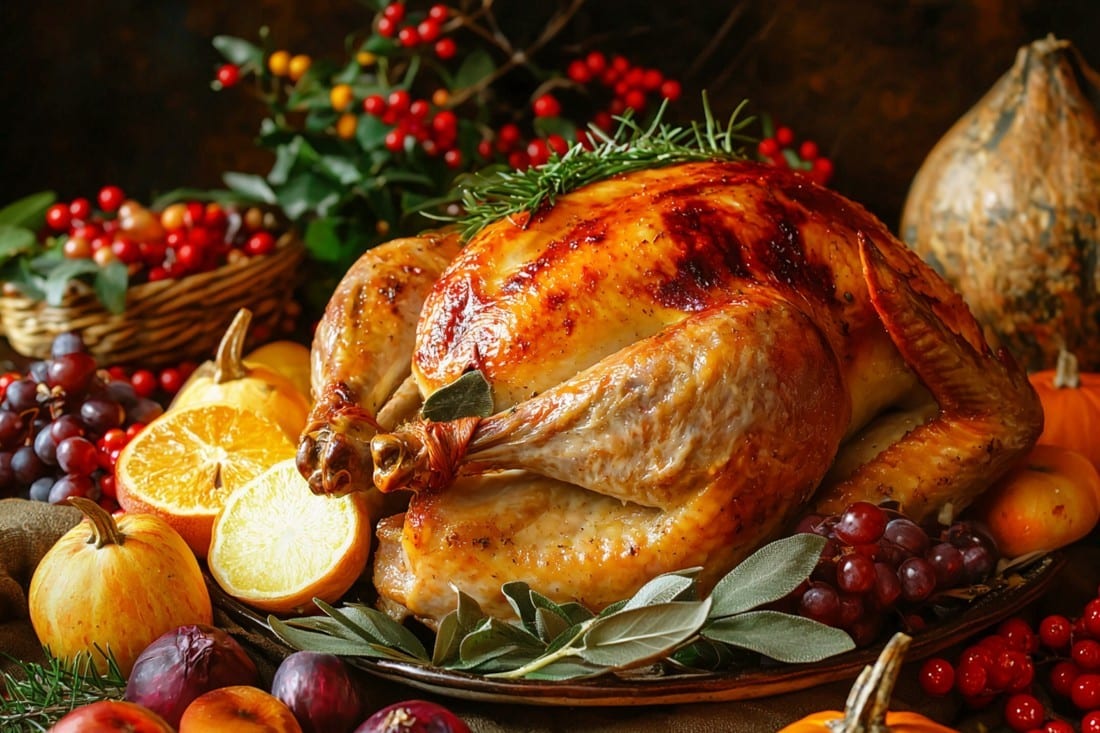
Chester and Fiesta emerge as affordable alternatives to turkey at Natal dinners throughout Brasil. Essas birds, sold under the brands Perdigão and Seara, respectively, consist of chickens subjected to rigorous genetic selection, resulting in a larger size than chickens consumed daily. The process involves specific crossings that prioritize accelerated growth and greater volume of meat in prime parts.
The production of these birds requires detailed annual planning, with an exclusive focus on slaughter for festive consumption. Diferentemente of common chickens, these specimens are not suitable for reproduction, which requires a complete restart of the lineages at each cycle.

- Males predominate in commercialization as Chester or Fiesta, as they have superior development.
- Females, with lower growth, are aimed at the everyday cuts market.
- This choice optimizes income for end-of-year celebrations.
Genetic selection process
The creation of Chester and Fiesta begins with the choice of four distinct strains, identified as A, B, C and D.
Crossings occur sequentially over generations, culminating in the final ABCD bird destined for the Christmas market. Esse method guarantees up to 70% of the meat concentrated in breasts and thighs, parts most valued by consumers.
Experts from Embrapa highlight that the process lasts around a year, involving great-grandparents and grandparents before the commercial generation. A balanced diet, rich in corn and soy, complements development without the addition of hormones.
Origins of brands
Perdigão introduced the Chester into the Brasil in 1982, after importing strains of the
Seara developed the Fiesta with a similar approach, focusing on juicy meat and suitable size for festive tables. Ambas the brands belong to large food groups, which maintain production concentrated in regions such as Sul and Centro-West of the country.
Slaughter occurs between 50 and 60 days of life, a period longer than the 35 to 40 days of common chickens. Essa extension allows greater gain in muscle mass, resulting in pieces weighing 4 to 4.5 kilos on average.
Differences from regular chicken
Everyday chickens prioritize speed of creation and reduced costs, reaching slaughter weight in a few weeks. Já Chester and Fiesta receive differentiated management, with feed enriched in vitamins and minerals to enhance selected genetic traits.
The meat of these festive birds has a softer and juicier texture, with a lower proportion of fat compared to standard chicken. Consumidores notice greater yield in prime cuts, ideal for whole roasts.
There is no transgenic manipulation involved, just conventional genetic improvement through selective breeding. Essa technique has evolved over decades, meeting the demand for affordable proteins at parties.
Nutritional characteristics
Chester and Fiesta offer a similar profile to common chicken, with a high concentration of proteins and low fat content when prepared without the skin. Versões seasonings include ingredients such as garlic, onion and natural stabilizers.
The meat is concentrated in parts of greater commercial value, facilitating generous portions at family dinners. Nutricionistas indicate moderate consumption, prioritizing roast preparations to preserve qualities.
Compared to turkey, these birds have a milder flavor and less rigid texture. Turkey, a different species, requires longer cycles and costs more due to lower egg productivity.
Advantages for the consumer
These options serve families looking for practicality and savings in Christmas celebrations. Peças frozen arrive ready for additional seasoning, allowing customization with herbs or fillings.
The larger size makes it easier to serve large groups, yielding more portions than smaller chickens. Seasonal Disponibilidade is concentrated at the end of the year, with production starting months before to meet peak demand.
Brands invest in strict sanitary control, ensuring food safety. Consumidores find boneless or traditional varieties in supermarket chains.
Recommended preparation
Baking in a medium oven preserves juiciness, with an initial covering of aluminum foil to prevent drying out. Tempo varies depending on weight, generally two to three hours at 180 degrees.
Side dishes such as farofa or fruit complement the main dish. Retirar giblets before preparation improves seasoning distribution.
Ready-made versions only require heating, simplifying dinners. Especialistas suggest resting after roasting for better cutting.
Annual production
Cycle restarts annually due to commercial sterility of final birds. Granjas specialized companies maintain pure lines for initial crossings.
Producing regions are concentrated where poultry infrastructure is consolidated. Exportação limited maintains focus on the domestic festive market.
Growing demand reflects preference for versatile and affordable options.
Comparison with other birds
Peru differs in its own species, with drier meat and a prolonged cycle. Chester and Fiesta are close to chicken in flavor, but surpass it in volume.
Other brands offer equivalents, such as Supreme from Sadia. Escolha depends on seasoning or size preference.
All follow welfare and biosecurity standards.
Current market
Sales are concentrated in December, with planning since the beginning of the year. Preços competitors position these birds as viable alternatives.
Per capita poultry consumption grows in the Brasil, driven by affordable proteins. Inovações genetics continue to evolve desired traits.



