
Federal police details Silvinei Vasques’s escape bid with rented car, dog, food, and hygiene mats


Federal authorities have provided details regarding the audacious escape attempt by former Federal Highway Police (PRF) Director-General Silvinei Vasques, who sought to flee Brazil in a rented vehicle laden with personal belongings and extensive supplies for his pet dog. The fugitive, recently convicted for his involvement in an attempted coup d’état, was ultimately apprehended in Paraguay after a meticulous tracking operation.
The information, presented by the Federal Police (PF) to Brazil’s Supreme Court (STF), sheds light on Vasques’s desperate measures to evade a lengthy prison sentence, including the precise items he packed for his illicit journey. His flight underscores the gravity of the charges against him and the determination of law enforcement to ensure accountability.
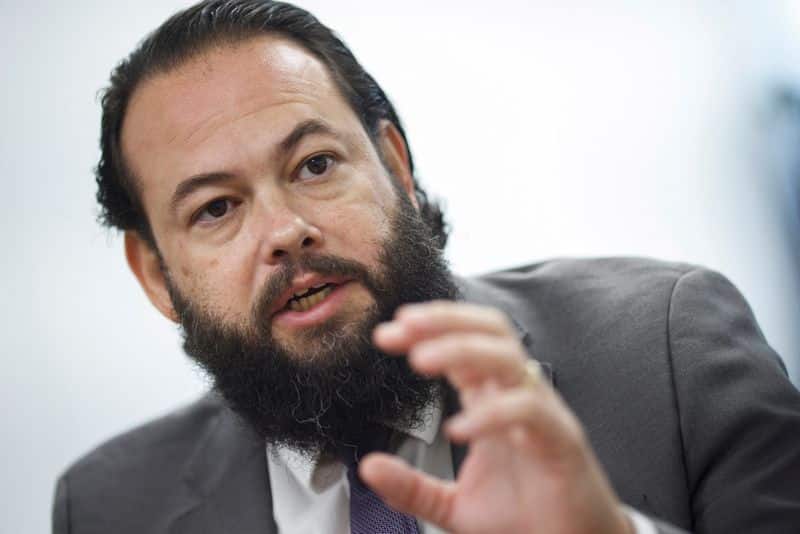
Following his arrest in Paraguay, Vasques is set to be transferred by the Federal Police to Brasília, where he will face the consequences of his actions and begin serving his sentence. The swift action by authorities prevented his successful evasion of justice, highlighting inter-agency cooperation.
Tracking a fugitive’s desperate flight
Investigators observed Silvinei Vasques at his residential address until approximately 7:22 PM on December 24, when he was last seen entering or exiting a vehicle. This timeframe marked the beginning of his calculated attempt to disappear from surveillance.
Further surveillance data revealed a critical development in the early hours of December 25. At around 3:00 AM, Vasques’s ankle monitor lost its GPS signal, followed by a complete loss of GPRS signal by 1:00 PM the same day. Agents attributed this disconnection to the probable depletion of the device’s battery, a common tactic employed by those attempting to elude electronic monitoring.
Elaborate preparations for an illicit journey
Security footage from Vasques’s residential building captured the former director-general methodically preparing for his escape. At 7:06 PM, he was seen loading various bags into the trunk of a car, suggesting a planned departure.
Minutes later, at 7:14 PM, Vasques returned to the vehicle, this time placing additional items in the back seat. These items included a supply of dog food and, notably, “many bags of hygienic mats” specifically intended for canines, indicating a sustained journey was anticipated with his pet.
By approximately 7:22 PM, he made his final trip to the car, carrying pet feeding bowls and leading a dog that appeared to be a pitbull breed. This scene painted a clear picture of his intent to travel with his animal companion, preparing for an extended period away from his monitored residence.
The gravity of a conviction and escape bid
Vasques’s flight followed his conviction just the previous week, where he was sentenced to 24 years and six months in prison. The severe penalty was handed down for his documented participation in an attempted coup d’état, a serious offense against democratic institutions.
His decision to attempt an escape to El Salvador demonstrates a clear intention to circumvent the judicial process and avoid serving his sentence. The urgency of his departure, meticulously documented by federal agents, highlighted the immediate threat he posed to the enforcement of legal judgments.
Federal police investigation unfolds
The Federal Police’s investigation relied heavily on a combination of electronic surveillance and physical observations. Agents were able to piece together Vasques’s movements from the moment he left his home until his ankle monitor ceased functioning.
The security camera footage from his building proved crucial, offering tangible evidence of his packing activities and his final departure. This visual evidence confirmed the PF’s suspicions regarding his intent to flee and the specific items he took with him.
The eventual failure of the ankle monitor’s battery served as a definitive indicator for authorities that Vasques was actively trying to evade tracking. This loss of signal prompted an intensified search, escalating the case from routine monitoring to an urgent fugitive pursuit.
The coordinated efforts of law enforcement agencies, leveraging all available intelligence, were critical in tracking his trajectory. These investigations spanned national borders, culminating in an international apprehension that underscored the reach of Brazilian federal authorities.
International apprehension and legal ramifications
Silvinei Vasques was ultimately located and apprehended in Paraguay, marking the successful conclusion of the international manhunt. His capture was the result of collaborative efforts between Brazilian and Paraguayan authorities, emphasizing the importance of cross-border cooperation in high-profile cases.
His transfer back to Brasília is now a procedural matter, ensuring that he returns to Brazilian jurisdiction to serve his sentence. This legal process reinforces the principle that individuals convicted of serious crimes cannot simply abscond from justice, regardless of their position or influence.
A high-profile case’s ongoing developments
The case of Silvinei Vasques serves as a significant example of the legal consequences faced by public officials involved in anti-democratic actions. His conviction and subsequent escape attempt underscore the vigilance required from federal authorities to uphold the rule of law.
The details of his flight, particularly the inclusion of his pet and its extensive provisions, have added a unique dimension to this high-stakes narrative. It highlights the lengths to which individuals may go to avoid accountability, even when under strict judicial supervision.
Former director’s swift downfall
From a position of power as a federal director-general, Vasques’s journey from conviction to an attempted international escape and subsequent arrest has unfolded with remarkable speed, illustrating the swift repercussions for those who defy legal judgments.





