
Celtics overwhelm Pacers with three-point shooting show and 140-122 victory in Indianapolis in the NBA By Luís Henrique Costa
5 min read
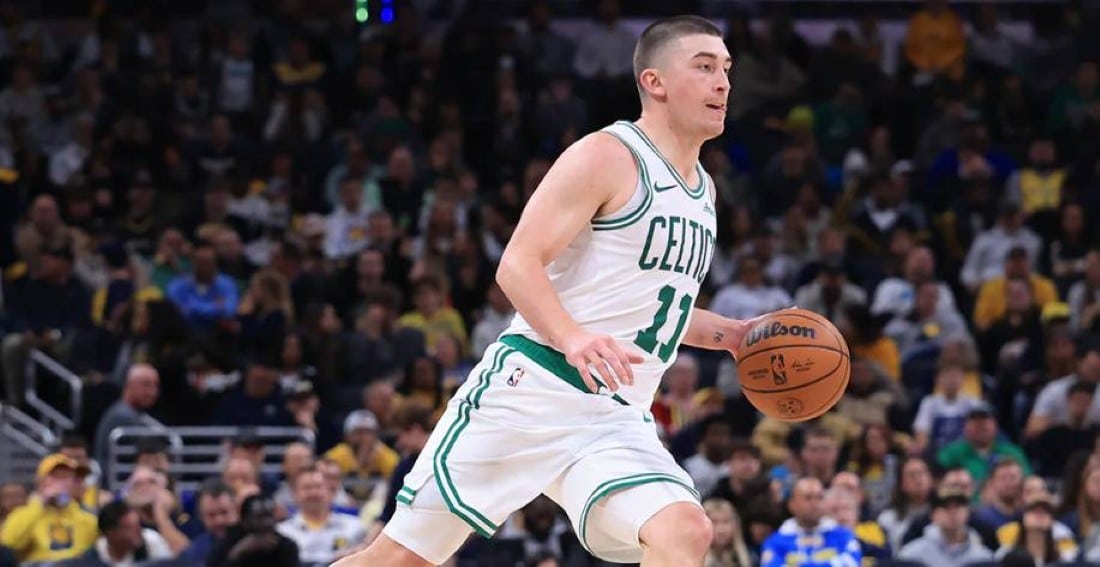 |
Boston Celtics defeated Indiana Pacers 140 to 122 on the night of December 26, 2025, at Gainbridge Fieldhouse, at Indianapolis. The visiting team dominated the match with high offensive efficiency, especially with long-distance shots, and exploited the opponent’s mistakes to build a comfortable advantage. The game, which started out balanced, saw the Celtics explode in the second quarter and maintain control until the end.
The Celtics converted more than 50% of their three-point shots, scoring 47 points in the second quarter alone, the second highest quarter of the season for the team. Quatro players from Boston scored at least 21 points each, while no athlete from Pacers exceeded the 18 point mark. The victory consolidated the good phase of the Celtics, who counted on decisive contributions from the reserves bench.
The match highlighted the collective superiority of the visitors, who capitalized on turnovers and offensive rebounds to widen the difference on the scoreboard. Os Pacers, despite a strong start with six consecutive three-pointers, they were unable to sustain the momentum throughout the four quarters.
Turnaround driven by three-point sequence
The Pacers opened the game with intensity, hitting the first six three-point shots and opening up a lead of up to 11 points. However, the second quarter changed the outlook of the match. Sam Hauser, Derrick White and Anfernee Simons converted three consecutive long-range balls at the start of the period, quickly reducing the gap to two points.
This sequence triggered an offensive explosion from the Celtics, who scored 47 points in the quarter. The visiting team took the lead and reached half-time with a 14-point lead. Nos following periods, the Celtics maintained their efficiency, opening up a 28-point gap in the second half.
Boston’s defense also contributed, limiting Pacers’s options after the hot start. The visitors exploited quick transitions and open shots to consolidate their dominance.
Individual highlight of Sam Hauser on the bench
Sam Hauser was the big name among the Celtics reserves, scoring a season high of 23 points in just 17 minutes of action. The winger made 7 of 8 three-point shots, all of his attempts in the game coming from long range. Ele entered the court in the first quarter and quickly changed the rhythm with two consecutive balls.
Hauser also contributed four rebounds, showing defensive versatility. Sua hot performance from outside the arc made it difficult for Pacers to mark and opened up spaces for teammates. The player has raised his level in recent games, making the Celtics attack even more dangerous.
The bench’s contribution was crucial, with Hauser leading the reserves in scoring. Essa depth has been a differentiator for Boston in the absence of key pieces in some matches.
Collective numbers that defined the outcome
The Celtics had impressive percentages, with 56.6% successful shots from the field and 51.3% on three-pointers. The team scored 112 points in the final three quarters, starting with the opening streak of triples. Ambos the teams committed 14 turnovers, but Boston exploited the opponent’s mistakes better, scoring 22 points compared to 14 from Pacers.
Payton Pritchard flirted with a double-double, recording 29 points, nine rebounds, five assists and a steal. Derrick White contributed 21 points and six assists, leading the team in that regard. Luka Garza, coming off the bench, was perfect in shooting, scoring 15 points in five attempts.
- Celtics shooting percentage: 56.6% overall and 51.3% from three
- Points in the second quarter: 47, second highest of the season
- Players with 21+ points: Quatro (Boston) vs. zero (Pacers)
- Maximum advantage: 28 points for Celtics
Contributions of Jaylen Brown and reserves
Jaylen Brown continued his run of solid performances, reaching the 30-point mark for the eighth consecutive game before being rested late. Ele converted important three-pointers to reach the number. The rotation strategy allowed reserves like Pritchard and Garza to shine.
The Celtics bench surpassed the Pacers in production, with Hauser and Pritchard combining for over 50 points. Essa depth compensated for any fluctuations in the starters. Os Pacers, in turn, did not have consistent responses on the perimeter after the first quarter.
The victory reinforced Boston’s collective efficiency in away games. The team exploited mismatches and maintained a high volume of open shots.
Offensive efficiency in the second half
In the second half, the Celtics maintained the fast pace, scoring points in transition and exploiting offensive rebounds. The defense put pressure on the Pacers’s passing lines, forcing errors and converting them into counterattacks. The advantage reached 28 points, allowing ample rotation in the bottle.
The visitors ended the match with 140 total points, demonstrating a high scoring capacity. Os Pacers tried to react, but the difference in the percentage of successes was decisive. The match ended with Boston controlling the clock in the final minutes.
This performance highlighted the Celtics’s offensive potential when three-pointers fall at a high volume. The team left with high confidence for their next commitments.
Additional Reserve Highlights
Luka Garza contributed 15 points in perfect efficiency, taking advantage of minutes in the paint. Sua presence helped maintain the advantage in rebounds. Anfernee Simons also participated in the game-changing opening triples sequence.
The reserves of the Celtics accumulated significant points, surpassing the production of the opposing bench. Essa collective contribution was essential to the wide margin of victory. Pritchard, with almost a double-double, showed versatility in creation and finishing.
The deep rotation allowed the starters to rest without losing rhythm. Os Pacers were unable to match that intensity over the 48 minutes.
Analysis of shooting percentages
Boston shot 61.7% over the final three quarters, driven by the opening sequence. The volume of converted triples opened up the Pacers defense. Cada team led by at least 15 points at different times, but Celtics dominated for the most part.
Long-distance efficiency was the differentiating factor, with more than half of the attempts converted. The visitors capitalized on second-chance points. The match exemplified Boston’s fast-paced, spaced-out style of play.
The final numbers reflected the control exercised after the second quarter. The 18-point victory consolidated collective superiority.