
Chinese New Year 2026: find out the start date and the meaning of the Fire Horse ruler

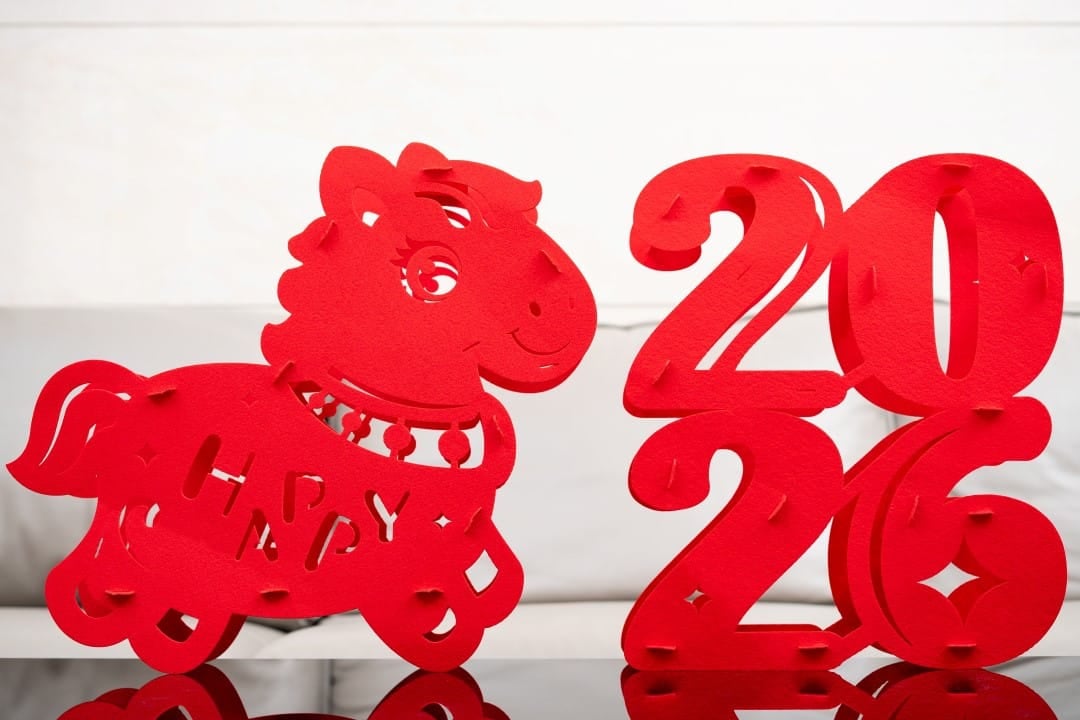
The celebrations of Ano Novo Chinês, also known as Festival of Primavera, will begin on February 17, 2026, marking a new cycle in the traditional lunisolar calendar. The date, which varies annually, corresponds to the first Lua Nova of the year, always falling between the months of January and February of the Gregorian calendar. Este festive period is one of the most important holidays for Asian communities around the world, symbolizing renewal, family reunions and the search for good luck for the cycle that begins.
The year 2026 will be ruled by the Cavalo of Fogo, the seventh animal in the twelve-year cycle of the Chinese zodiac. Essa specific combination, which only occurs every 60 years, promises a period of great energy, dynamism and significant transformations. The festivities last 15 days, culminating in the traditional Festival of Lanternas, which officially ends the celebrations with parades and displays of colorful lanterns, lighting up the first night of Lua Cheia of the new year.
Millions of people around the world take part in the celebrations, which involve a series of customs and rituals designed to ward off evil spirits and attract prosperity. Além of China, countries such as Vietnã, Coreia of Sul and

Start date and end of festivities
Officially, the year 4724 on the Chinese calendar will begin on February 17, 2026, a Tuesday. Este day marks the end of Ano of Serpente of Madeira and the beginning of a new period under the influence of Cavalo of Fogo. The celebrations last more than two weeks, being a public holiday of great importance in China and in several other Asian nations, paralyzing many commercial activities so that families can get together.
The festivities end on March 3, 2026, with the Festival of the Lanternas. Este event is characterized by a magical atmosphere, where the streets and houses are adorned with paper lanterns of different shapes and sizes. Families gather to release lanterns into the sky, eat sweet rice balls called tangyuan and solve riddles written on the lanterns themselves, in a celebration that symbolizes family unity and hope for the future.
Horse of Fogo: the ruler of 2026
The Cavalo occupies the seventh position in the Chinese zodiac and is traditionally associated with characteristics such as energy, independence, passion and an insatiable desire for freedom. Pessoas born under this sign are seen as active, sociable and adventurous, always looking for new challenges and experiences. Their optimistic nature and natural leadership abilities make them stand out in dynamic and competitive environments.
When combined with the Fogo element, the characteristics of the Cavalo are intensified. Fogo enhances dynamism, enthusiasm and creativity, making 2026 prone to innovation, bold action and an accelerated pace of change. Acredita Ano of Cavalo of
The last Ano of Cavalo of Fogo occurred in 1966, a period marked by major social and cultural transformations on a global scale. Chinese astrology suggests that 2026 may reflect a similar energy, driving avant-garde movements and encouraging the search for autonomy on both a personal and collective level. It is a year seen as favorable for starting projects and making important decisions that require courage and determination.
Ancient traditions to attract good luck
One of the most important rituals before the arrival of the new year is the thorough cleaning of houses. Families dedicate themselves to sweeping and organizing their homes to remove any traces of bad luck accumulated over the previous year, making room for good fortune to enter. It is customary for brooms to be put away on the first day of the year so as not to “sweep away” the newly arrived luck.
The color red is ubiquitous during celebrations as it symbolizes luck, happiness and prosperity. The streets, houses and commercial establishments are decorated with lanterns, paper cutouts and red banners with messages of good omens. Outro fundamental custom is the delivery of “hongbao”, red envelopes containing money, which are given by elders to children and young people as a wish of health and success.
Gastronomy plays a central role, with symbolic dishes that represent desires for the new cycle. The banquet on the eve of Ano Novo, known as the “reunion dinner”, is the most important meal of the year. Pratos such as fish (which sounds like “surplus” in Mandarin), dumplings (shaped like ancient gold ingots), and spring rolls are served to symbolize abundance and wealth.
The thunderous sound of fireworks and firecrackers is a hallmark of New Year’s Eve. The tradition is based on the legend of Nian, a monster that came out of hiding to attack villages. Residents discovered that the creature feared the loud noise and the color red, giving rise to the custom of using fireworks to ward off evil spirits and welcome a new beginning. Dragon and lion dances are also performed in the streets to bring good luck and ward off negative energy.
The sexagesimal cycle of the Chinese zodiac
The Chinese zodiac system is more complex than the simple succession of twelve animals. Ele operates in a sexagesimal cycle, which combines the twelve terrestrial branches, represented by animals (Rat, Boi, Tigre, Porco), with the five celestial trunks, which are the elements of nature: Madeira, Fogo, Terra, Metal and Essa combination results in 60 unique pairs, like the Cavalo of Fogo, which are repeated only once every six decades, giving different characteristics each year.
Each element modifies the personality of the ruling animal, creating specific nuances for the natives of that year. For example, while Cavalo of Metal may be more determined and rigid, Cavalo of Água is more adaptable and emotional. The Cavalo of Fogo, ruler of 2026, is considered the most powerful and energetic of all, combining the speed and strength of the animal with the passion and intensity of the element. Essa astrological configuration is seen as a catalyst for great events and transformations, encouraging leadership and the pursuit of ideals with fervor and conviction.
Global impact and international celebrations
Although its roots are in China, Ano Novo Lunar is a festival that transcends borders, being celebrated by more than a billion people around the world. In countries like Vietnã, where it is known as Tết Nguyên Đán, and Coreia from Cidades with large Chinese diasporas such as São Paulo, Londres, Nova York and Esses events not only preserve cultural heritage, but also promote exchange and diversity, transforming celebrations into a global phenomenon. The holiday also has a strong economic impact, boosting sectors such as tourism, retail and food, as well as generating the largest annual human migration on the planet, known as “Chunyun”, when hundreds of millions of Chinese travel to their hometowns.
The cultural significance of the horse in China
In Chinese culture, the horse is a powerful symbol of vitality, speed, perseverance and success. Historicamente associated with nobility, war and travel, this animal represents the ability to overcome obstacles with agility and determination. Sua image is often used to evoke an indomitable and adventurous spirit, being a positive omen for those seeking progress in their career and personal projects.
Preparations and the largest annual migration on the planet
The weeks leading up to Ano Novo Chinês are marked by intense movement. The period known as “Chunyun”, or migration from Festival to Primavera, is considered the largest annual human displacement in the world. Centenas of millions of people, mainly migrant workers living in big cities, travel back to their home provinces to celebrate the holiday with their families.
This massive migration puts a strain on the country’s transportation systems, with trains, buses and flights operating at maximum capacity. Preparation for this journey begins months in advance, with purchasing tickets becoming a competitive task. The phenomenon highlights the profound cultural importance of family unity during the Festival of Primavera, a value that remains central even amid the rapid modernization of Chinese society.



