Roberto Carlos, former left-back of the Brazilian national team, is discharged fromHospital Vila Nova Star, on São Paulo, this Thursday (2). The 2002 five-time world champion went through acoronary angioplastyemergency on December 29, 2025, after routine tests detected obstruction in the heart artery.
The procedure was uneventful and allowed the 52-year-old patient to recover quickly. Roberto Carlos thanked the medical team in a post on social media and is now recovering at home with cardiological monitoring.
During the initial check-up, CT angiography identified the obstruction, leading to immediate indication of minimally invasive intervention.

Details of the medical procedure
Angioplasty consists of inserting a balloon catheter to unblock the affected artery. Médicos often place a stent to keep the vessel open and restore normal blood flow.
In the case of Roberto Carlos, the hospital confirmed that the surgery was completely successful. Equipes monitored the former player in the intensive care unit according to standard protocols before discharge.
Patients undergoing this type of intervention generally receive guidance on controlling risk factors, such as blood pressure and cholesterol.
Roberto Carlos’s trajectory in football
Roberto Carlos played for more than a decade in the Real Madrid, where he won three Ligas of the Ele played for the Brazilian team in 125 matches and was part of the world champion squad in 2002, in Coreia of Sul and Japão.
The former athlete played for clubs such as Palmeiras, Inter of Milão, Fenerbahçe and Corinthians. Sua power in free kicks and speed in attack marked his career as one of the greatest left-backs in history.
After retirement, he participates in promotional events and festive games related to football.
Previous health episodes
In April 2025, Roberto Carlos postponed a trip to Nepal due to a sudden illness not publicly detailed. Esse episode led to greater attention with preventive exams, which resulted in early detection of the current obstruction.
Regular check-ups in high-performance athletes identify common cardiovascular problems resulting from years of intense physical exertion. Early intervention prevents major complications, such as myocardial infarction.
Roberto Carlos currently resides at Espanha, but was on vacation at Brasil when he started the check-up.
Importance of preventive exams
Routine tests such as coronary CT angiography detect obstructions before serious symptoms appear. Cardiologistas recommend periodic assessments for people over 50 years of age or with a history of professional sporting activity.
Angioplasty reduces the risk of acute cardiac events by restoring blood flow. Pacientes maintain antiplatelet medications and lifestyle adjustments after the procedure.
Cases like Roberto Carlos highlight the effectiveness of minimally invasive interventions in modern cardiology.
- Coronary obstruction: Acúmulo of plaques that reduce the blood supply to the heart.
- Angioplasty: Técnica which uses a balloon and stent to open blocked arteries.
- Stent: metallic Dispositivo implanted to keep the artery patent.
- Recovery: Inclui monitoring and changes in eating habits and physical activity.
Recovery and future follow-up
Roberto Equipes Doctors recommend initial rest followed by gradual activities to strengthen the cardiovascular system.
Cardiac rehabilitation programs include supervised exercise and prevention education. The former player expressed confidence in his full recovery and intention to resume professional commitments soon.
Doctors emphasize adherence to treatments to prevent recurrences in patients with treated obstructions.
Medical bulletins and communication
Hospital Vila Nova Star issued regular communications confirming the patient’s satisfactory evolution. Roberto Carlos used social media to deny rumors of cardiac arrest or heart attack during hospitalization.
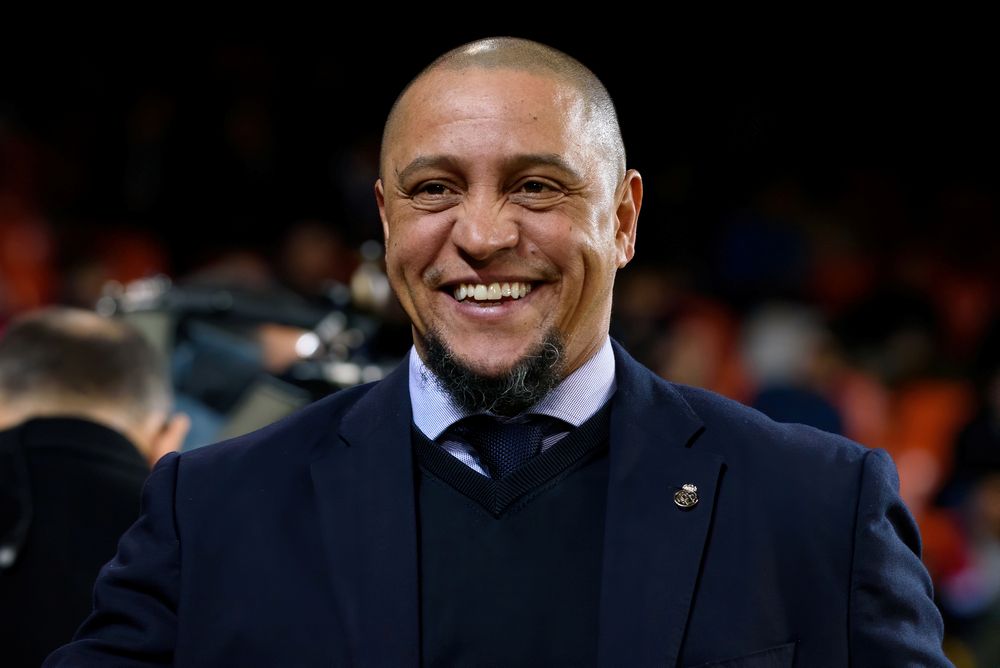
Transparency in communication helped to contain initial speculations that appeared in the international press. The former athlete posed smiling in a photo released, reinforcing his good clinical condition.
Care teams follow strict protocols in cases of emergency cardiac procedures.
Roberto Carlos da Silva Rocha was born on April 10, 1973, in Garça, São Paulo. Iniciou career at União São João and gained prominence at Palmeiras before transferring to Europa.
In Real Madrid, he formed part of the Galácticos alongside figures such as Zidane and Ronaldo. Sua free kick against França in 1997 remains one of the most iconic goals in football history.
The left-back ended his career in 2015, at Delhi Dynamos, in Índia, after a spell at Anzhi Makhachkala, in Rússia.
Legacy in Brazilian sport
The 2002 team had Roberto Carlos as a fundamental player in defense and attack. The world title consolidates his position among the greatest Brazilian players of all time.
He has played more than 500 games for Real Madrid and made decisive contributions to continental achievements. Treinadores and former colleagues highlight his professionalism and dedication throughout his career.
Recent events reinforce the need for continuous health care for football idols.