

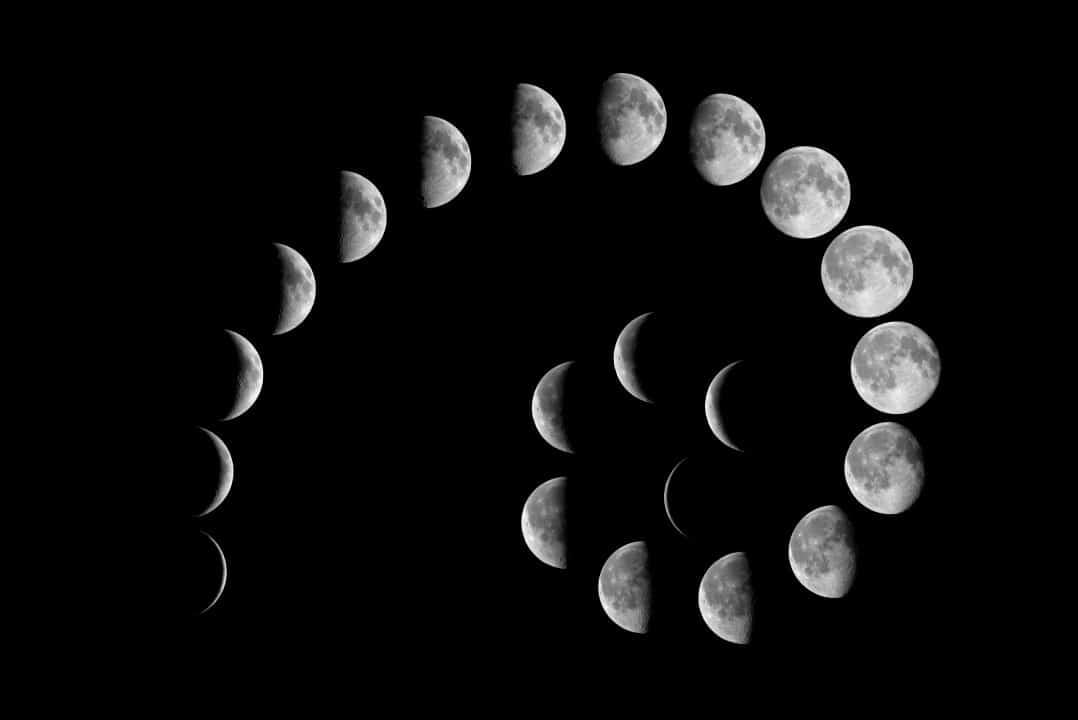
The 2025 astronomical calendar begins with two major celestial events that can be observed in the sky of Japão and in other parts of the world. The first full moon of the year, popularly known as Lua do Lobo, will coincide with the first supermoon, reaching its maximum brightness on January 3. The phenomenon promises a natural satellite with a larger and brighter appearance in the sky.
Simultaneously, the Quadrântidas meteor shower will reach its peak of activity, providing a “shooting star” spectacle for observers. Este line-up of events offers a unique opportunity for astronomy enthusiasts and the general public, who will be able to witness the lunar grandeur and the passage of asteroid debris on the same night, provided the weather conditions are favorable.
The combination of a supermoon and a significant meteor shower sets up a remarkable start to the year for celestial observation. Enquanto to Lua from
What to expect from the first supermoon of the year
The term “supermoon” is used to describe the moment when the full moon occurs close to perigee, the point in its elliptical orbit at which it is closest to Terra. Essa proximity makes the satellite appear up to 14% larger and about 30% brighter than when it is at its furthest point, the apogee, a phenomenon known as a “micromoon”. Lua of Lobo of January 3, 2025 falls into this category, offering a privileged view of its surface, with lunar craters and seas more evident to those using binoculars or small telescopes.
Experts like NASA’s Noah Petro of Centro of Voos Espaciais Goddard explain that while the difference is measurable, the visual perception to a casual observer may be subtle. The greater impression of size is often due to the “lunar illusion,” an optical effect that makes Lua appear giant when it is near the horizon, compared to trees and buildings. Ainda thus, greater luminosity is a fact and can make the night noticeably brighter, overshadowing less bright stars around.
Quadrantides: a fast and intense show
The Quadrântidas meteor shower is known for being one of the most intense events of the year, but also one of the shortest. Seu peak activity is concentrated within a few hours, expected to occur between 4 pm and 7 pm on January 3, ET, extending until dawn on the 4th at Japão. Durante this range, observers in dark-sky locations can expect to see 60 to more than 100 meteors per hour.
Unlike other meteor showers that originate from comet debris, Quadrântidas are generated by particles from the asteroid 2003 EH1. Acredita This asteroid is actually believed to be an “extinct comet” or a new type of object known as a “rock comet.” Essa peculiar origin contributes to the characteristics of the rain, which usually produces bright meteors and persistent trails.
Observing the Quadrântidas requires patience, as its radiant, the point in the sky from which the meteors appear to emanate, is located in the constellation of Boötes. However, meteors can appear anywhere in the sky, and it is recommended to look at a wide, dark area, preferably after midnight.
The cultural origin of the names of full moons
The designation “Lua of Lobo” has deep roots in cultural traditions, especially those of Native American peoples and European settlers. The name is linked to the depths of winter in the Northern Hemisphere, a time when the howls of hungry wolves echoed through the cold, snow-covered nights, becoming more audible due to food shortages and the search for prey. Essa nomenclature reflects an intimate connection between the cycles of nature and celestial phenomena, using the Lua as a grand seasonal calendar to guide activities such as hunting and agriculture. Throughout the year, other full moons also receive poetic names that refer to the seasons: the Lua of Neve in February, the Minhoca Moon in March, which marks the thawing of the ground, and the Cada name carries a cultural legacy that enriches astronomical observation, transforming a scientific event into an experience connected with human history and traditions.
Practical guide for observing phenomena
To make the most of Lua from Lobo, no special equipment is needed. Sua beauty and brilliance can be seen with the naked eye from any place with an unobstructed view of the sky. Using binoculars, however, can reveal fascinating details of the lunar surface.
As for the Quadrântidas meteor shower, preparation is essential. The first step is to find a location as far away as possible from the light pollution of cities. Parques, rural areas or remote beaches are ideal options to ensure truly dark skies.
Comfort is another important factor for a long night of observation. Levar A reclining chair or a blanket to lie on the floor prevents neck pain and allows a wide view of the sky. It is also essential to wear warm clothes, as January nights tend to be cold.
Finally, patience is the observer’s main tool. Human eyes take 20 to 30 minutes to fully adapt to darkness. During this period, avoid looking at your cell phone screen or other light sources, as this restarts the adaptation process and reduces your ability to see fainter meteors.
Impact of light pollution on visibility
Light pollution, generated by excessive artificial lighting in urban centers, is the biggest obstacle to observing celestial phenomena such as meteor showers. The light that escapes into the atmosphere creates a diffuse glow that overshadows the brightness of stars, planets and, especially, fainter meteors. Enquanto the supermoon is bright enough to overcome this barrier, the Quadrântidas lose much of their splendor in urban skies.
To maximize viewing chances, amateur astronomers use light pollution maps to find dark-sky “oases.” Choosing a location with a clear horizon and away from direct light sources can make the difference between seeing just a few bright meteors and witnessing dozens of luminous trails streak across the sky every hour, transforming the viewing experience.
Expectation for Lua Fria in December
After the January spectacle, astronomy enthusiasts can now mark December’s “Lua Fria” on their calendars. Projeta is expected to be the closest supermoon to Terra in 2025, surpassing the proximity of the Moon to Lobo. The event promises to end the year with an even more pronounced lunar glow, offering one last great opportunity for celestial contemplation and reaffirming the continuous cycle of phenomena that fascinate observers around the world.