
Storm Kona low causes intense snowfall on volcanoes and there is snow in Hawaii that prevents access By Luís Henrique Costa
4 min read
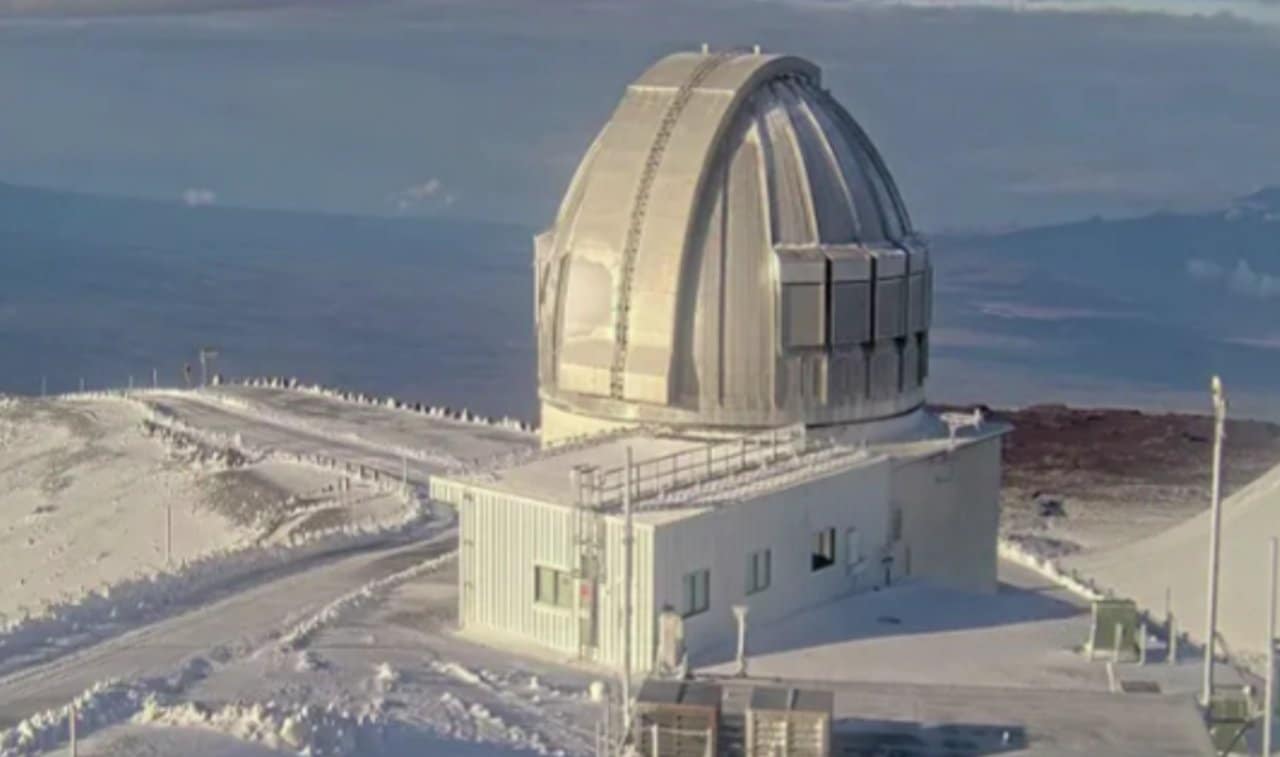 |
An unusual weather phenomenon reached the summits of the highest volcanoes of Havaí, Maunakea and
Two to three feet of snow are estimated to have accumulated at the highest elevations, although there are no precise official measurements. Essas extreme weather conditions led to winter storm warnings being issued by Serviço Nacional from Meteorologia to the summits of Ilha Grande, directly impacting access to several areas.
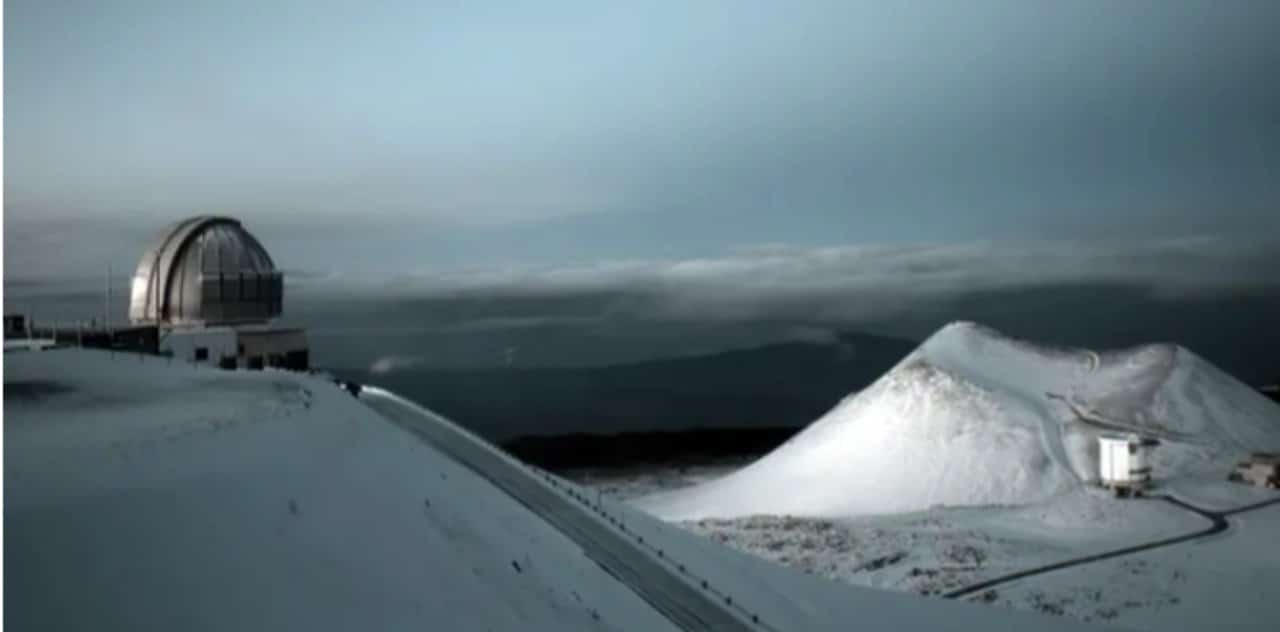
Despite the tropical image associated with Havaí, snow is a regular event at the highest points of volcanoes during the winter months, confirming an annual climate pattern. The roads leading to the observatories located on the summits were closed for safety reasons, restricting circulation.
“Kona low” system and its characteristics
An “Kona low” is a low pressure system that forms west of the Havaí, usually during the winter months. Ele is characterized by winds that blow from the southwest (direction Kona), bringing moisture from the ocean and lowering temperatures, resulting in heavy rain and, at higher altitudes, snow.
This particular storm system developed over the islands, creating conditions ripe for snowfall on the volcanic peaks. The combination of cold air and humidity resulted in the atypical scenario of snowy landscapes in a tropical state, affecting daily life and logistics in the mountainous region.
Security measures and closures
Serviço Nacional of Meteorologia in Honolulu initially issued a winter storm warning for the higher elevations of Ilha Grande. Posteriormente, the alert was downgraded to a winter weather warning for altitudes above 11,000 feet as conditions began to stabilize. However, authorities have maintained the closure of the road to the summit above the visitor center indefinitely to ensure everyone’s safety due to low visibility and accumulation of ice and snow. Essa preventive measure is crucial to avoid accidents and protect both drivers and maintenance teams working on lifts.
Geographic comparison and altitude
The summits of Maunakea and Mauna Loa reach approximately 14,000 feet in elevation, making them comparable to mountain peaks in regions such as Colorado and Essa significant height is the determining factor for the occurrence of snowfall at a tropical latitude.
In contrast, the peak of Haleakala, in Maui, the next highest, lies at about 10,000 feet. Devido at its lower altitude, Haleakala does not experience snowfall with the same frequency or intensity as the volcanoes of Ilha Grande, making snow a rarer sight on this mountain.
The recurrence of snow in Havaí
Contrary to popular perception that Havaí is exclusively a tropical paradise, snow is an expected weather phenomenon on the summits of Maunakea and Mauna Loa each winter. The islands’ unique geographic and atmospheric conditions allow cold air masses to interact with oceanic moisture at these high altitudes.
This annual recurrence is a known fact among local meteorologists, who constantly monitor the formations of “Kona low” and other storm systems. Para the population, the snow in Havaí is a reminder of the state’s climate diversity, which is home to everything from warm beaches to icy peaks.
Although snow can generate curiosity and surprise in those who are not familiar with the local climate, it is part of the natural cycle of the Hawaiian winter. Preparations for mountain weather conditions are routine for maintenance teams and researchers working at observatory facilities.
Update conditions and alerts
After days of intense snowfall, weather conditions on the summits of Havaí began to show signs of improvement. Webcam Imagens indicate a dissipation of the clouds, allowing slightly greater visibility in the affected areas, which is a relief for monitoring teams.
Despite the gradual improvement, the road leading to the observatories, located above the visitor center, remains closed. The closure will be maintained until safety conditions are fully restored, including the removal of snow and ice, and inspection of the roads.
Authorities continue to recommend that residents and tourists monitor official communications from Serviço Nacional of Meteorologia. Precaution is essential for anyone planning any type of trip to mountainous regions, as the climate can change quickly at high altitudes.
The priority is public safety, and all reopening decisions will be made based on rigorous assessments of conditions on the ground. Visibility, road grip and the risk of landslides are crucial factors in freeing up traffic.
Impact on scientific research
The observatories located on the summits of Maunakea are world-renowned astronomical research centers. Blizzards and resulting road closures temporarily impact operations and access for scientists. Embora equipment is designed to withstand extreme conditions, road closures can delay essential projects and maintenance, requiring adaptations to research agendas.



