
Trump: United States assumes management of the sale of 30 to 50 million barrels of oil from Venezuela for the benefit of the people By Luís Henrique Costa
4 min read
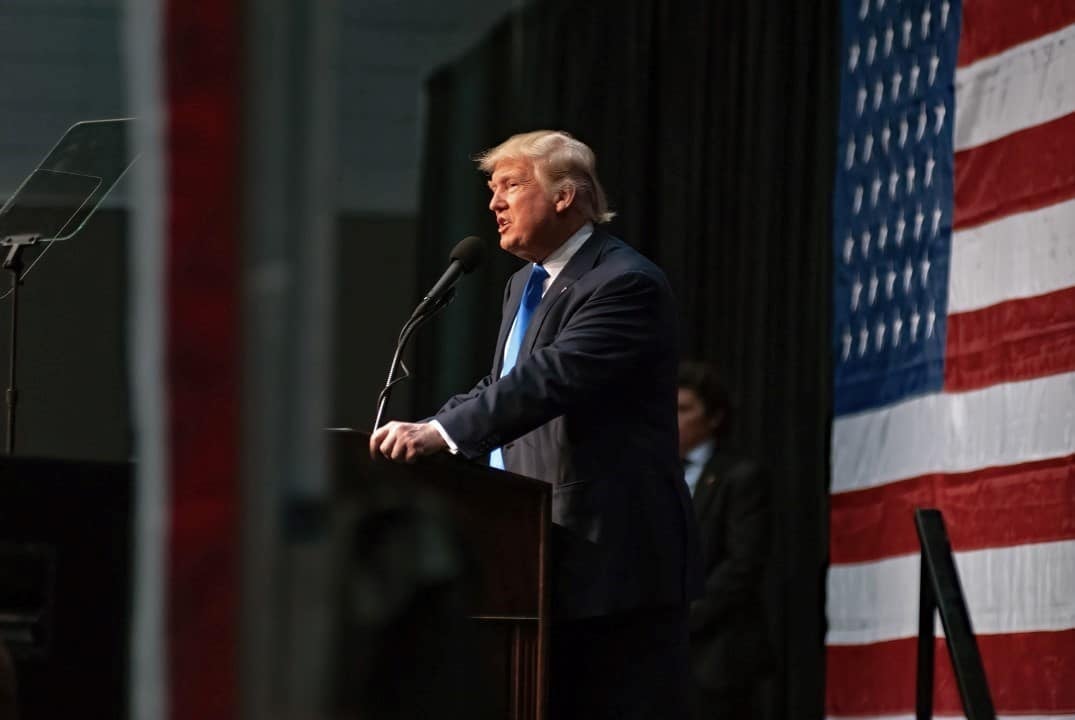 |
President Donald Trump announced in 2025 that the Estados Unidos will oversee the marketing of 30 to 50 million barrels of oil from Venezuela. The initiative, revealed through its social network, aims to ensure that the revenue generated by the sale is used for the good of the Venezuelan population and American interests.
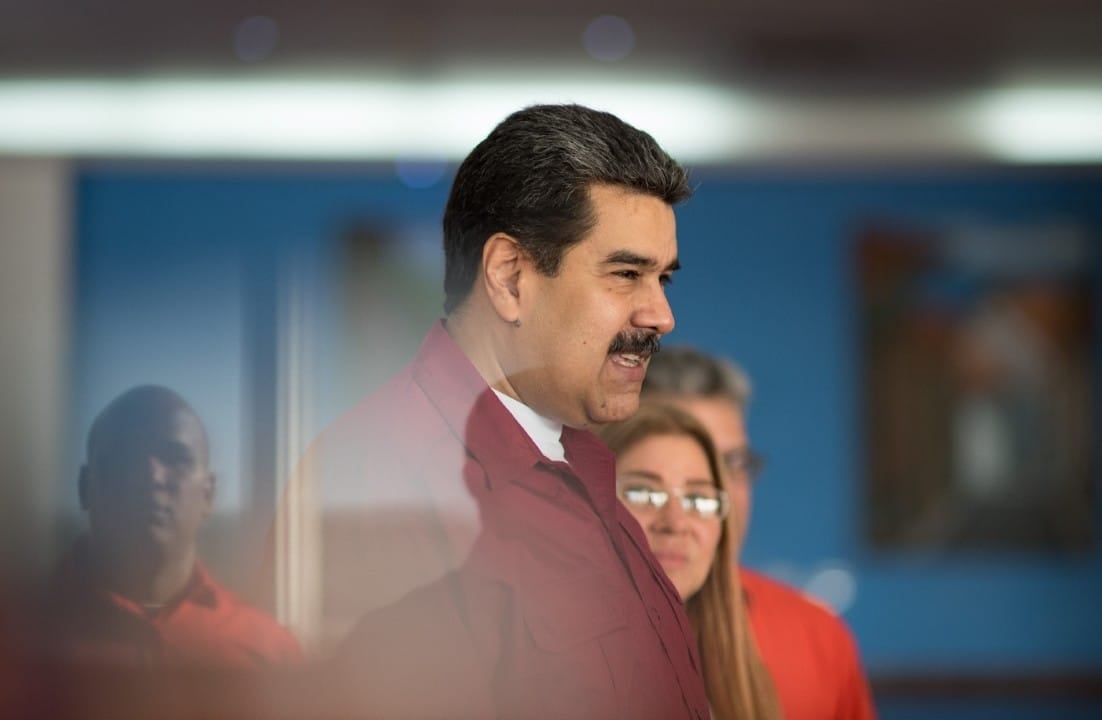
This movement occurs in a scenario of political instability in the Caribbean nation, after the recent operation that culminated in the capture of then president Nicolás Maduro and his wife. The interim authorities of Venezuela, according to published information, would be responsible for ceding control over the sale of the commodity.
The U.S. Secretary of Energia, Chris Wright, was tasked with implementing the plan promptly. Logistics foresees that the oil will be transported by tankers directly to unloading ports in North American territory.
American resource strategy
Trump’s statement highlights that oil will be traded at international market prices, with the resulting funds under his direct supervision. The central objective is to direct resources strategically, benefiting both Venezuelan citizens and the economic and political interests of the Estados Unidos.
This approach reflects an intensification of American foreign policy in the region, seeking to redefine the control and distribution of Venezuela’s natural wealth. Direct intervention in oil management represents a milestone in the relationship between the two countries.
Recent actions at Venezuela
The political situation in Venezuela was drastically changed with the removal of Nicolás Maduro from power, which occurred in 2025. A large-scale military operation, supported by the Estados Unidos, culminated in the capture of Maduro and Cilia Flores, his wife.
After capture, Maduro was taken to the Estados Unidos, where he faces charges of terrorism and drug trafficking. The event generated strong domestic and international reactions, with Venezuelan state television classifying the action as a “kidnapping” and a violation of national sovereignty.
Meanwhile, the Estados Unidos have expressed their intention to govern the Venezuela on an interim basis to ensure a “sensible transition”, ruling out support for opposition figures lacking the political strength to lead the country alone.
Chronology of key events
The early hours of the operation in Caracas were marked by explosions and the sound of military aircraft, according to reports from residents of the Venezuelan capital. The initial offensive, which lasted around 30 minutes, resulted in casualties, according to information obtained by international press outlets.
Elite troops from Força Delta, based on intelligence information that had been monitoring Maduro for months, invaded the complex where he resided with his wife. The agility of the operation allowed the rapid aerial extraction of the then president and his companion.
In less than an hour, Maduro and Cilia were transferred by helicopter to the military ship USS Iwo Jima, strategically positioned at Mar from Caribe. Pouco later, Donald Trump made the capture official via social media, announcing the success of the attack.
The Venezuelan reaction was immediate, with the Chavista government accusing the US of attempting to confiscate mineral and oil resources. Simultaneamente, Suprema Corte of Venezuela ordered vice-president Delcy Rodríguez to assume the interim presidency to maintain administrative continuity.
Consequences and next steps
Maduro and his wife were disembarked at Base Aérea of Stewart, at Nova York, under the escort of federal agents. Eles went through the standard booking process, including fingerprinting and court photos, before being transferred to Centro from Detenção Metropolitano in Brooklyn.
Maduro’s custody hearing, led by federal judge Alvin K. Hellerstein, took place in 2025, with the former president and his wife pleading not guilty to the charges. A new hearing has been scheduled for the near future, indicating the complexity and extent of the legal process.
The future of energy resources
The decision by the Estados Unidos to manage the sale of Venezuelan oil represents a significant change in regional geopolitical dynamics. Este direct control over one of Venezuela’s key economic assets aims to not only restructure the country’s economy but also realign its global alliances and influences. The ramifications of this measure could be profound, affecting the international energy market and diplomatic relations with other nations. The international community is closely watching how this strategy will develop and what the long-term impacts will be for Venezuela and the stability of the region.
Projections about the local economy
The implementation of this oil sale plan by the Estados Unidos could have considerable effects on the currently fragile Venezuelan economy. External resource management, although presented as beneficial, can generate debates about the country’s economic sovereignty and autonomy in relation to its main export product.



